What does 2 Kings 6:29 mean?
“So we boiled my son, and did eat him: and I said unto her on the next day, Give thy son, that we may eat him: and she hath hid her son.” — 2 Kings 6:29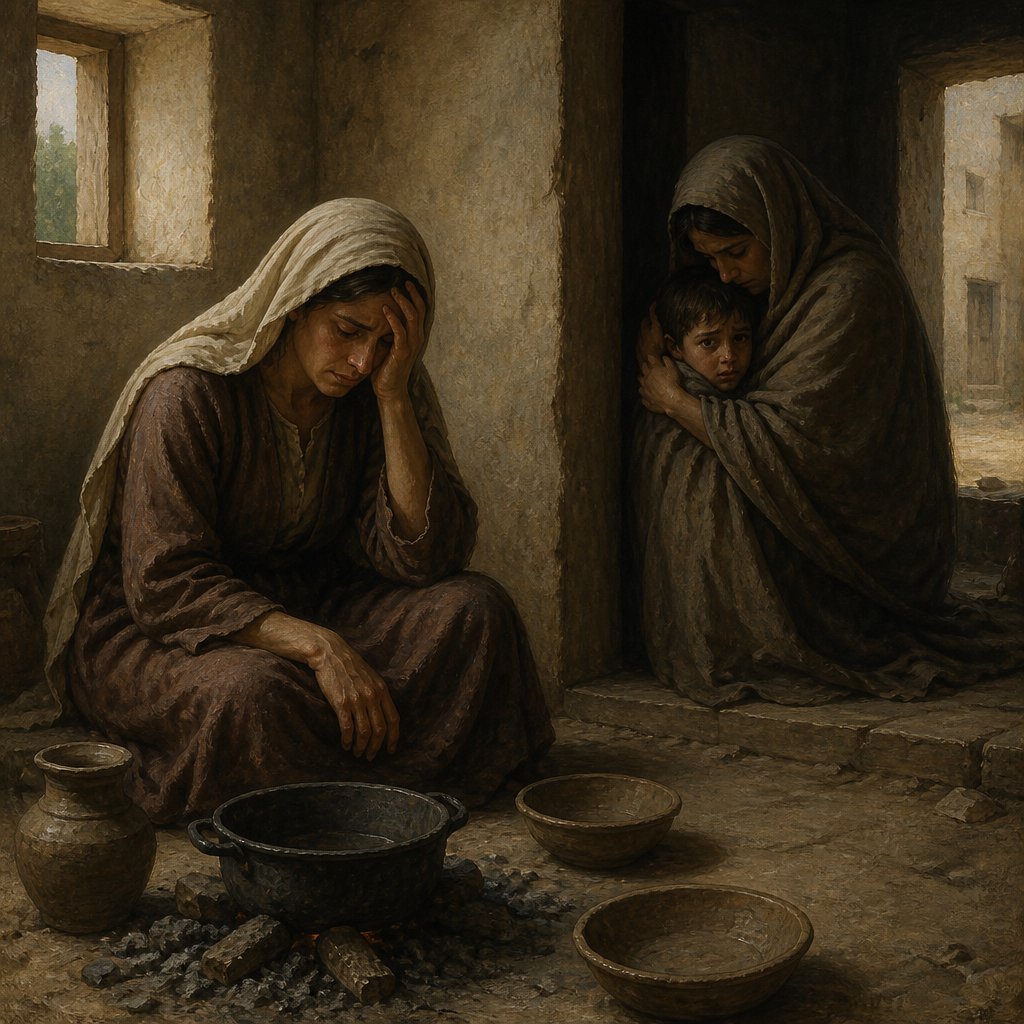
2 Kings 6:29 in the King James Version reads:
"So we boiled my son, and did eat him: and I said unto her on the next day, Give thy son, that we may eat him: and she hath hid her son."
This verse is part of a larger passage that describes a severe famine in the land of Samaria, which was the capital of the northern kingdom of Israel. The famine was so severe that people were resorting to cannibalism just to survive. This verse specifically recounts a horrific incident where two women made a pact to eat their own children.
The themes present in this verse are despair, desperation, and the consequences of disobedience to God. The famine in Samaria was a result of the people's disobedience to God and their worship of false gods. This verse serves as a reminder of the Biblical principle of reaping what one sows. The people of Samaria were suffering the consequences of their actions, and their desperate circumstances led them to commit acts that were unimaginable in normal circumstances.
The wider context of this verse is important to understand the severity of the situation. In the preceding verses, the prophet Elisha had prophesied the end of the famine and the restoration of food to the city. This makes the desperate actions of the people even more tragic, as they were on the brink of relief, but their suffering had driven them to such extreme measures.
The symbolism in this verse is profound and multi-layered. On one level, it symbolizes the depths of human depravity and the desperate measures that people will take in times of extreme need. It also serves as a cautionary tale about the consequences of turning away from God and His ways. The act of cannibalism in itself is symbolic of the complete breakdown of societal norms and the erosion of basic human decency.
Moreover, the verse underscores the horrors of war and the impact it has on civilians. The siege of Samaria by the Arameans had resulted in this dire situation, and the verse serves as a solemn reminder of the devastating effects of conflict on innocent people.
From a theological standpoint, this verse also highlights the concept of divine judgment. The famine and its resulting atrocities were seen as a form of punishment for the people's disobedience and idolatry. It underscores the Biblical principle that God holds His people accountable for their actions and that there are consequences for turning away from Him.
In conclusion, 2 Kings 6:29 is a deeply sobering and harrowing verse that depicts the depths of despair and desperation that humanity can sink to. It serves as a powerful warning about the consequences of turning away from God and the devastation that can result from disobedience. It also symbolizes the extreme impact of war and conflict on civilians and the breakdown of societal norms in times of crisis. Ultimately, it points to the need for faithfulness to God and the dire consequences of straying from His path.
Get our apps


Artwork for 2 Kings 6:29
"So we boiled my son, and did eat him: and I said unto her on the next day, Give thy son, that we may eat him: and she hath hid her son." - 2 Kings 6:29

2 KINGS 8:29

1 Kings 6:29 - "And he carved all the walls of the house round about with carved figures of cherubims and palm trees and open flowers, within and without."

2 Kings 14:29 - "And Jeroboam slept with his fathers, even with the kings of Israel; and Zachariah his son reigned in his stead."

1 Kings 6:29 – "He carved all the walls of the temple round about with carved figures of cherubim and palm trees and open flowers."

2 kings 6:24

2 Kings 15:29 show the army and attack

2 Kings 9:29 - "And in the eleventh year of Joram the son of Ahab began Ahaziah to reign over Judah."

2 Kings 18:29 - "Thus saith the king, Let not Hezekiah deceive you: for he shall not be able to deliver you out of his hand:"
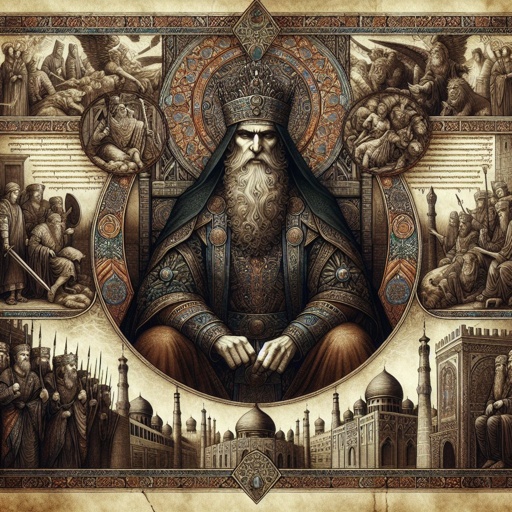
2 Kings 15:6 - "And the rest of the acts of Azariah, and all that he did, are they not written in the book of the chronicles of the kings of Judah?"

2 Kings 25:29 - "And changed his prison garments: and he did eat bread continually before him all the days of his life."

2 Kings 6:16 - "And he answered, Fear not: for they that be with us are more than they that be with them."
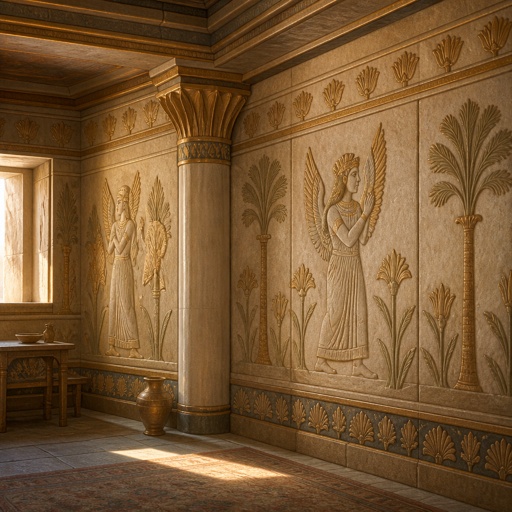
"And he carved all the walls of the house round about with carved figures of cherubims and palm trees and open flowers, within and without." - 1 Kings 6:29

2 Kings 3:6 - "¶ And king Jehoram went out of Samaria the same time, and numbered all Israel."

"And Jeroboam slept with his fathers, even with the kings of Israel; and Zachariah his son reigned in his stead." - 2 Kings 14:29

1 Kings 2:29 - "And it was told king Solomon that Joab was fled unto the tabernacle of the LORD; and, behold, he is by the altar. Then Solomon sent Benaiah the son of Jehoiada, saying, Go, fall upon him."

2 Kings 12:6 - "But it was so, that in the three and twentieth year of king Jehoash the priests had not repaired the breaches of the house."

2 Kings 17:29 - "Howbeit every nation made gods of their own, and put them in the houses of the high places which the Samaritans had made, every nation in their cities wherein they dwelt."

2 Kings 6:4 - "So he went with them. And when they came to Jordan, they cut down wood."

2 Kings 6:6 - "And the man of God said, Where fell it? And he shewed him the place. And he cut down a stick, and cast it in thither; and the iron did swim."

2 Kings 22:6 - "Unto carpenters, and builders, and masons, and to buy timber and hewn stone to repair the house."

2 Kings 25:6 - "So they took the king, and brought him up to the king of Babylon to Riblah; and they gave judgment upon him."

2 Kings 24:6 - "So Jehoiakim slept with his fathers: and Jehoiachin his son reigned in his stead."

2 Kings 10:29 - "¶ Howbeit from the sins of Jeroboam the son of Nebat, who made Israel to sin, Jehu departed not from after them, to wit, the golden calves that were in Beth-el, and that were in Dan."

2 Kings 6:7 - "Therefore said he, Take it up to thee. And he put out his hand, and took it."

2 Kings 7:6 - "For the Lord had made the host of the Syrians to hear a noise of chariots, and a noise of horses, even the noise of a great host: and they said one to another, Lo, the king of Israel hath hired against us the kings of the Hittites, and the kings of the Egyptians, to come upon us."

2 Kings 6:8 - "¶ Then the king of Syria warred against Israel, and took counsel with his servants, saying, In such and such a place shall be my camp."

2 Kings 15:29 - "In the days of Pekah king of Israel came Tiglath-pileser king of Assyria, and took Ijon, and Abel-beth-maachah, and Janoah, and Kedesh, and Hazor, and Gilead, and Galilee, all the land of Naphtali, and carried them captive to Assyria."

"And in the eleventh year of Joram the son of Ahab began Ahaziah to reign over Judah." - 2 Kings 9:29

2 Kings 6:26 - "And as the king of Israel was passing by upon the wall, there cried a woman unto him, saying, Help, my lord, O king."