What does 2 Kings 8:4 mean?
“And the king talked with Gehazi the servant of the man of God, saying, Tell me, I pray thee, all the great things that Elisha hath done.” — 2 Kings 8:4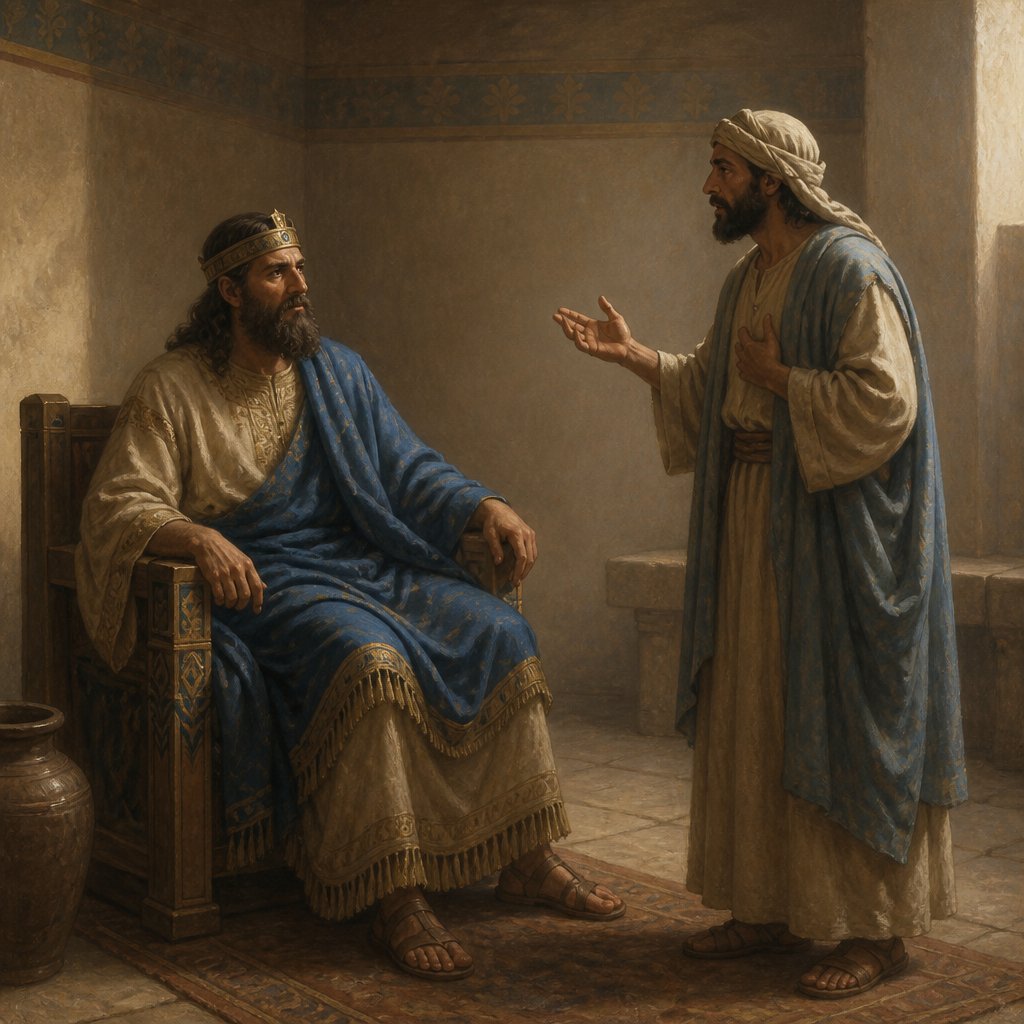
The Bible verse 2 Kings 8:4 from the King James Version (KJV) states: "And the king talked with Gehazi the servant of the man of God, saying, Tell me, I pray thee, all the great things that Elisha hath done."
This verse is part of a larger narrative found in 2 Kings 8, which tells the story of Elisha and his interactions with the people around him. In this particular passage, the king is having a conversation with Gehazi, who was the servant of the prophet Elisha. The king is asking Gehazi to recount all the great and miraculous things that Elisha has done.
To understand the meaning and significance of this verse, it is important to consider the broader context in which it occurs. Elisha was a prominent figure in the Old Testament, and he was known for performing miracles and acts of healing that demonstrated the power of God. In the preceding chapters of 2 Kings, Elisha is depicted as a powerful prophet who is able to perform extraordinary feats in the name of the Lord. These miracles include providing food for a hungry crowd, healing the sick, and even raising the dead. The verse in question reflects the king's recognition of the extraordinary works of Elisha and his desire to hear about them from someone who had direct knowledge of his actions.
The theme of this verse revolves around the concept of faith and the recognition of God's power and authority. Throughout the Old Testament, the prophets and the people of Israel continually bear witness to the extraordinary works of God, and this verse is no exception. The king's request for Gehazi to recount Elisha's miracles is an acknowledgment of the divine authority that Elisha possesses and the power of God that works through him. It demonstrates the king's belief in the supernatural acts of Elisha and his desire to hear about them in order to understand and appreciate the greatness of God.
The verse also serves as a reminder of the importance of bearing witness to the works of God and sharing them with others. The king's conversation with Gehazi suggests that the miraculous acts of God should not be hidden or kept secret but should be shared and celebrated. This aligns with the biblical principle of testifying to the goodness and power of God, as seen in passages such as Psalm 66:5, which states, "Come and see the works of God: he is terrible in his doing toward the children of men." By asking about Elisha's deeds, the king is opening the door for the story of God's miraculous works to be shared and spread.
In terms of symbolism, this verse can be seen as a representation of the broader theme of spiritual leadership and the passing on of wisdom and knowledge. Elisha, as a prophet, served as a conduit for God's power and guidance, and the miracles he performed served to affirm his authority. The conversation between the king and Gehazi reflects the passing on of knowledge and the importance of sharing the stories and teachings of a spiritual leader. It also symbolizes the need for leaders and followers to have open and honest communication, a theme that is relevant in both spiritual and secular contexts.
In conclusion, 2 Kings 8:4 from the King James Version of the Bible depicts a meaningful conversation between a king and Elisha's servant, Gehazi. The verse highlights the themes of faith, the recognition of God's power, and the importance of sharing and bearing witness to the works of God. It also symbolizes the passing on of wisdom and the necessity of open communication between spiritual leaders and their followers. Overall, this verse serves as a powerful reminder of the significance of acknowledging and celebrating the extraordinary acts of God and the importance of sharing these stories with others.
Get our apps


Artwork for 2 Kings 8:4

2 Kings 8:4 - "And the king talked with Gehazi the servant of the man of God, saying, Tell me, I pray thee, all the great things that Elisha hath done."
"And the king talked with Gehazi the servant of the man of God, saying, Tell me, I pray thee, all the great things that Elisha hath done." - 2 Kings 8:4

2 Kings 4:8 - "¶ And it fell on a day, that Elisha passed to Shunem, where was a great woman; and she constrained him to eat bread. And so it was, that as oft as he passed by, he turned in thither to eat bread."

1 Kings 4:8 - "And these are their names: The son of Hur, in mount Ephraim:"

2 KINGS 8:29

2 Kings 4:4-5

2 Kings 8:23 - "And the rest of the acts of Joram, and all that he did, are they not written in the book of the chronicles of the kings of Judah?"

2 Kings 13:8 - "¶ Now the rest of the acts of Jehoahaz, and all that he did, and his might, are they not written in the book of the chronicles of the kings of Israel?"

"And these are their names: The son of Hur, in mount Ephraim:" - 1 Kings 4:8

2 Kings 17:8 - "And walked in the statutes of the heathen, whom the LORD cast out from before the children of Israel, and of the kings of Israel, which they had made."

2 Kings 8:18 - "And he walked in the way of the kings of Israel, as did the house of Ahab: for the daughter of Ahab was his wife: and he did evil in the sight of the LORD."

2 Kings 10:4 - "But they were exceedingly afraid, and said, Behold, two kings stood not before him: how then shall we stand?"

2 Kings 8:8 - "And the king said unto Hazael, Take a present in thine hand, and go, meet the man of God, and enquire of the LORD by him, saying, Shall I recover of this disease?"

1 Kings 8:4 - "And they brought up the ark of the LORD, and the tabernacle of the congregation, and all the holy vessels that were in the tabernacle, even those did the priests and the Levites bring up."

2 Kings 12:8 - "And the priests consented to receive no more money of the people, neither to repair the breaches of the house."

2 Kings 8:20 - "¶ In his days Edom revolted from under the hand of Judah, and made a king over themselves."

2 Kings 16:8 - "And Ahaz took the silver and gold that was found in the house of the LORD, and in the treasures of the king's house, and sent it for a present to the king of Assyria."

2 Kings 8:2 - "And the woman arose, and did after the saying of the man of God: and she went with her household, and sojourned in the land of the Philistines seven years."

2 Kings 8:11 - "And he settled his countenance stedfastly, until he was ashamed: and the man of God wept."

2 Kings 4:11 - "And it fell on a day, that he came thither, and he turned into the chamber, and lay there."

1 Kings 4:2 - "And these were the princes which he had; Azariah the son of Zadok the priest,"

Hosea 8:4 - "They have set up kings, but not by me: they have made princes, and I knew it not: of their silver and their gold have they made them idols, that they may be cut off."

2 Kings 6:8 - "¶ Then the king of Syria warred against Israel, and took counsel with his servants, saying, In such and such a place shall be my camp."

1 Kings 8:2 - "And all the men of Israel assembled themselves unto king Solomon at the feast in the month Ethanim, which is the seventh month."

2 Kings 9:4 - "¶ So the young man, even the young man the prophet, went to Ramoth-gilead."

2 Kings 6:4 - "So he went with them. And when they came to Jordan, they cut down wood."

2 Kings 2:8 - "And Elijah took his mantle, and wrapped it together, and smote the waters, and they were divided hither and thither, so that they two went over on dry ground."

2 Kings 8:25 - "¶ In the twelfth year of Joram the son of Ahab king of Israel did Ahaziah the son of Jehoram king of Judah begin to reign."

2 Kings 18:8 - "He smote the Philistines, even unto Gaza, and the borders thereof, from the tower of the watchmen to the fenced city."

2 Kings 8:22 - "Yet Edom revolted from under the hand of Judah unto this day. Then Libnah revolted at the same time."