What does 2 Samuel 15:6-7 mean?
“And on this manner did Absalom to all Israel that came to the king for judgment: so Absalom stole the hearts of the men of Israel. And it came to pass after forty years, that Absalom said unto the king, I pray thee, let me go and pay my vow, which I have vowed unto the LORD, in Hebron.” — 2 Samuel 15:6-7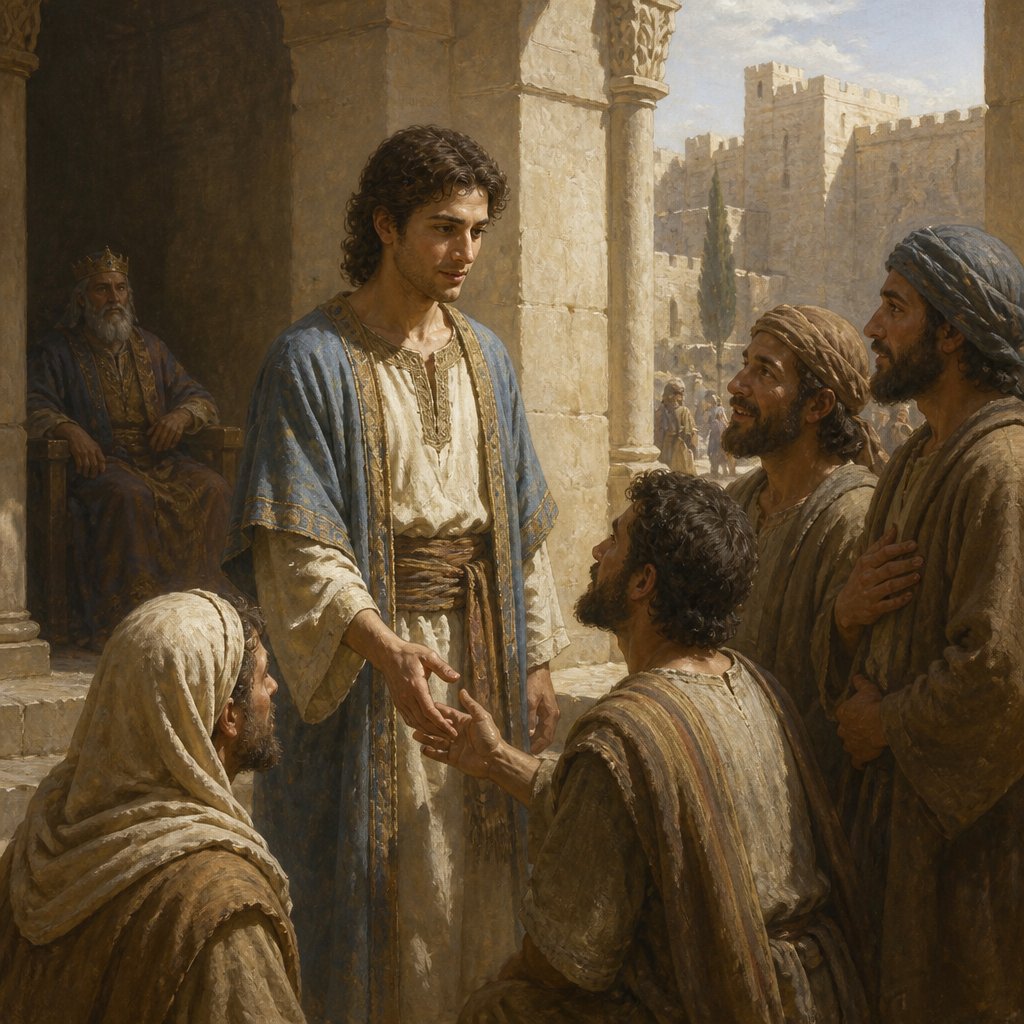
The Bible verse 2 Samuel 15:6-7, from the King James Version (KJV), states, "And on this manner did Absalom to all Israel that came to the king for judgment: so Absalom stole the hearts of the men of Israel. And it came to pass after forty years, that Absalom said unto the king, I pray thee, let me go and pay my vow, which I have vowed unto the Lord, in Hebron."
This passage is a part of the story of Absalom's rebellion against his father, King David. It reveals the cunning and deceitful nature of Absalom, as well as his ability to manipulate and win the loyalty of the people of Israel. The story of Absalom's rebellion is a narrative of power, politics, and betrayal that has important lessons for all who read it.
To understand the deeper meaning of this passage, it is important to consider the context in which it is found. Absalom, the third son of King David, was favored by the people for his good looks and charm. He had been exiled after killing his half-brother Amnon for raping his sister Tamar. After being allowed back into Jerusalem by his father, Absalom began to undermine David's authority by winning the favor of the people and building a following for himself.
In the verses preceding this passage, Absalom is standing in the gate of the city and intercepting people who came to seek judgment from the king. He would speak to them with kindness and empathy, telling them that their claims were good and that there was no one appointed by the king to hear them. Absalom insinuated that if he were appointed judge in the land, he would do them justice. By doing so, Absalom stole the hearts of the people, drawing them away from their loyalty to King David.
The significance of the number forty in biblical terms is often associated with a period of testing or trial. In this passage, it reflects the length of time that Absalom spent sowing seeds of discontent among the people of Israel, gradually winning their favor and allegiance. Absalom's request to go and pay his vow in Hebron is a ruse to gather support for his rebellion. He presents himself as a pious and devout man, seeking to fulfill a vow to the Lord, but in reality, he is using this as an opportunity to gather supporters and build his army.
The underlying themes of this passage include the corrupting nature of power, the consequences of betrayal, and the danger of placing one's trust in charismatic but deceitful leaders. Absalom's actions serve as a warning against allowing oneself to be swayed by flattery and false promises. His manipulation and deception ultimately lead to civil war and tragic consequences for himself and those who follow him.
Symbolically, Absalom represents the destructive forces of ambition, pride, and rebellion. His actions mirror those of Lucifer, who, in his desire for power, sought to overthrow God and establish himself as ruler of the universe. Both Absalom and Lucifer were once favored and beautiful, but their pride and ambition led to their downfall and brought turmoil and suffering to those around them.
In conclusion, 2 Samuel 15:6-7 is a cautionary tale about the dangers of allowing oneself to be swayed by the charm and charisma of deceitful leaders. It serves as a reminder to be vigilant and discerning in choosing whom to follow, and to remain steadfast in loyalty to those who are just and true. The story of Absalom's rebellion is a timeless lesson on the corrupting nature of power and the destructive consequences of betrayal and deceit. As readers, we are called to reflect on the implications of this passage for our own lives and to seek wisdom and discernment in our relationships and allegiances.
Get our apps


Artwork for 2 Samuel 15:6-7

2 Samuel 15:6-7 - "And on this manner did Absalom to all Israel that came to the king for judgment: so Absalom stole the hearts of the men of Israel. And it came to pass after forty years, that Absalom said unto the king, I pray thee, let me go and pay my vow, which I have vowed unto the LORD, in Hebron."
"And on this manner did Absalom to all Israel that came to the king for judgment: so Absalom stole the hearts of the men of Israel. And it came to pass after forty years, that Absalom said unto the king, I pray thee, let me go and pay my vow, which I have vowed unto the LORD, in Hebron." - 2 Samuel 15:6-7

2 Samuel 15:6 - "And on this manner did Absalom to all Israel that came to the king for judgment: so Absalom stole the hearts of the men of Israel."

2 Samuel 6:15 - "So David and all the house of Israel brought up the ark of the LORD with shouting, and with the sound of the trumpet."

2 Samuel 7:15 - "But my mercy shall not depart away from him, as I took it from Saul, whom I put away before thee."

2 Samuel 6:7 - "And the anger of the LORD was kindled against Uzzah; and God smote him there for his error; and there he died by the ark of God."

1 Samuel 7:15 - "And Samuel judged Israel all the days of his life."
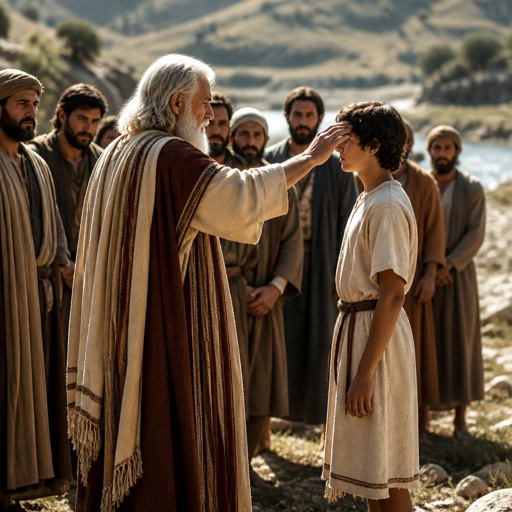
1 Samuel 16:6-7

2 Samuel 7:6 - "Whereas I have not dwelt in any house since the time that I brought up the children of Israel out of Egypt, even to this day, but have walked in a tent and in a tabernacle."

2 Samuel 15:7 - "¶ And it came to pass after forty years, that Absalom said unto the king, I pray thee, let me go and pay my vow, which I have vowed unto the LORD, in Hebron."

"And Samuel judged Israel all the days of his life." - 1 Samuel 7:15
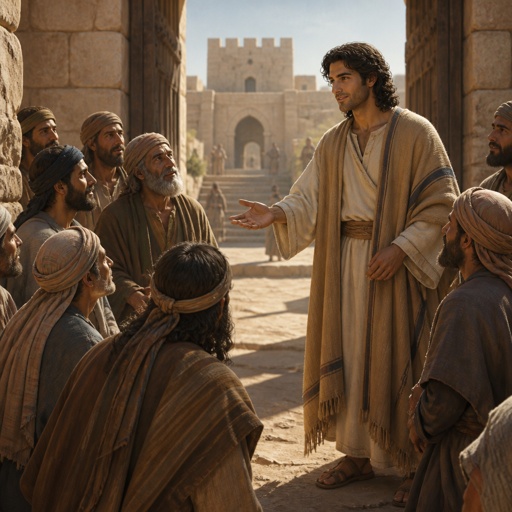
"And on this manner did Absalom to all Israel that came to the king for judgment: so Absalom stole the hearts of the men of Israel." - 2 Samuel 15:6

1 Samuel 15:7 - "And Saul smote the Amalekites from Havilah until thou comest to Shur, that is over against Egypt."
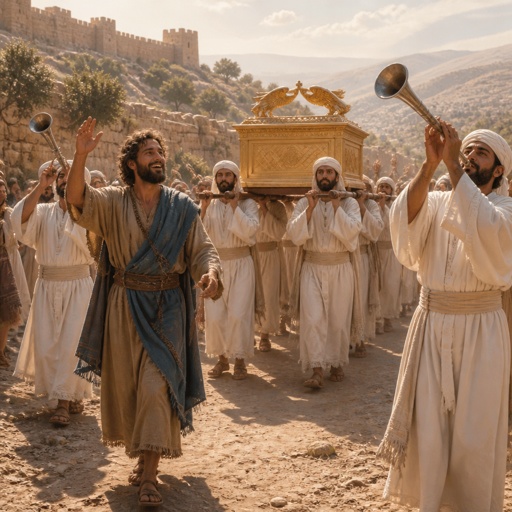
"So David and all the house of Israel brought up the ark of the LORD with shouting, and with the sound of the trumpet." - 2 Samuel 6:15

2 Samuel 6:14

2 Samuel 5:15 - "Ibhar also, and Elishua, and Nepheg, and Japhia,"

2 Samuel 6:14–22

2 samuel 9:7 fhdhdhdhhd

2 Samuel 7:1–29

1 Samuel 7:6 - "And they gathered together to Mizpeh, and drew water, and poured it out before the LORD, and fasted on that day, and said there, We have sinned against the LORD. And Samuel judged the children of Israel in Mizpeh."

2 Samuel 2:15 - "Then there arose and went over by number twelve of Benjamin, which pertained to Ish-bosheth the son of Saul, and twelve of the servants of David."

2 Samuel 15:15 - "And the king's servants said unto the king, Behold, thy servants are ready to do whatsoever my lord the king shall appoint."

2 Samuel 16:15 - "¶ And Absalom, and all the people the men of Israel, came to Jerusalem, and Ahithophel with him."

2 Samuel 15:13 - "¶ And there came a messenger to David, saying, The hearts of the men of Israel are after Absalom."

2 Samuel 15:37 - "So Hushai David's friend came into the city, and Absalom came into Jerusalem."

2 Samuel 15:29 - "Zadok therefore and Abiathar carried the ark of God again to Jerusalem: and they tarried there."

2 Samuel 22:15 - "And he sent out arrows, and scattered them; lightning, and discomfited them."

"And the anger of the LORD was kindled against Uzzah; and God smote him there for his error; and there he died by the ark of God." - 2 Samuel 6:7

2 Samuel 10:15 - "¶ And when the Syrians saw that they were smitten before Israel, they gathered themselves together."

2 Samuel 5:7 - "Nevertheless David took the strong hold of Zion: the same is the city of David."