What does 2 Samuel 16:11 mean?
“And David said to Abishai, and to all his servants, Behold, my son, which came forth of my bowels, seeketh my life: how much more now may this Benjamite do it? let him alone, and let him curse; for the LORD hath bidden him.” — 2 Samuel 16:11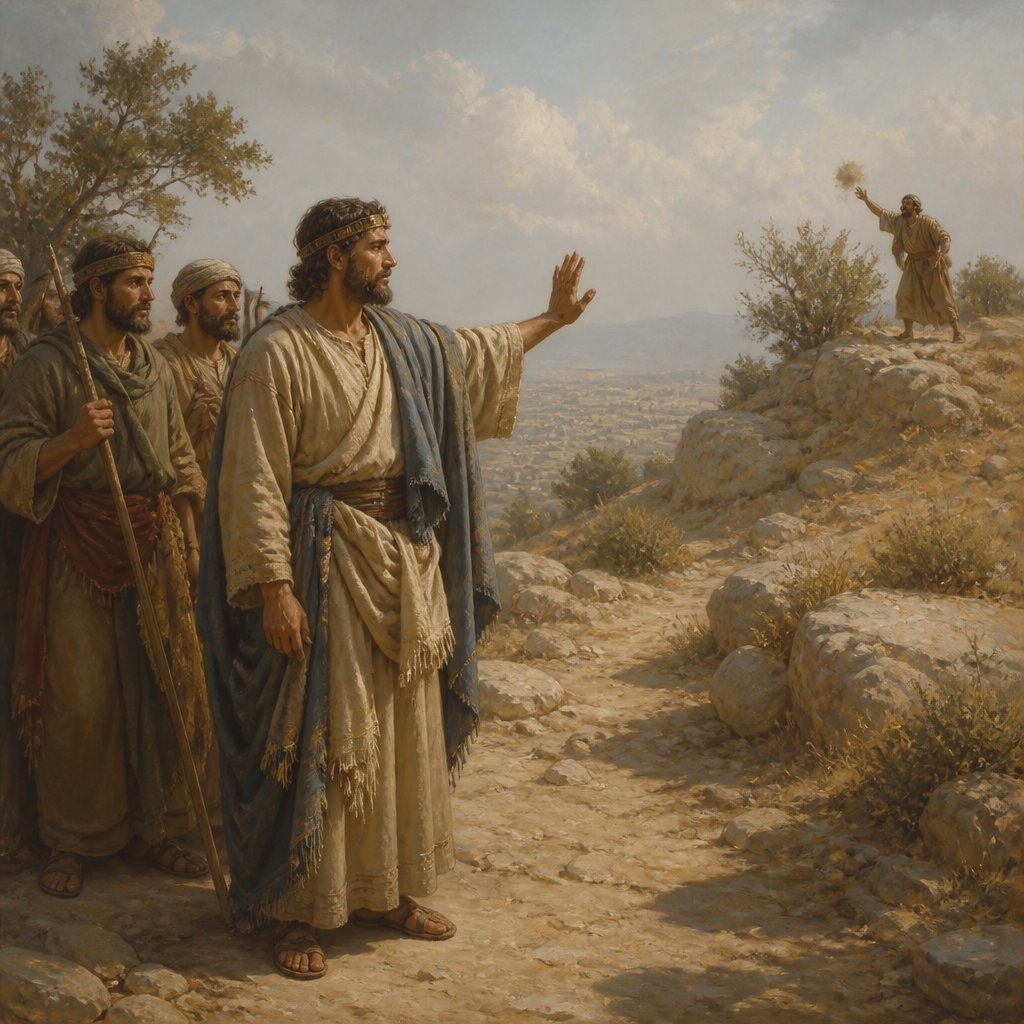
The verse 2 Samuel 16:11 from the King James Version (KJV) reads: "And David said to Abishai, and to all his servants, Behold, my son, which came forth of my bowels, seeketh my life: how much more now may this Benjamite do it? let him alone, and let him curse; for the Lord hath bidden him."
This verse is part of the larger narrative of King David's flight from Jerusalem during the rebellion of his son Absalom. At this point in the story, David and his loyal followers are being pursued by Absalom and his troops. As they flee, a man named Shimei, a member of the tribe of Benjamin, comes out and "curses" David, throwing stones at him and his men.
The deeper meaning and commentary of this verse can be understood through several themes and contexts. One of the key themes present in this verse is that of humility and trust in God's sovereignty. In the face of adversity and personal attacks, David's response is one of humility and trust in God's plan.
When David says, "let him alone, and let him curse; for the Lord hath bidden him," he is acknowledging that what is happening to him is part of God's greater plan. David is unwilling to retaliate or seek vengeance against Shimei, recognizing that God is ultimately in control of the situation. This demonstrates David's faith in God's sovereignty and his willingness to submit to God's will, even in the midst of personal suffering and humiliation.
Another important theme in this verse is that of forgiveness and mercy. Despite the insults and physical attacks he's enduring, David chooses not to hold a grudge against Shimei. Instead, he shows mercy and forgiveness, allowing Shimei to vent his anger and frustration. This act of forgiveness and mercy reflects David's character as a man after God's own heart, as noted in 1 Samuel 13:14.
Moreover, this verse also illustrates the concept of reaping what one sows. David acknowledges that his own son, Absalom, is seeking his life, and yet he sees the situation with Shimei as an opportunity to show mercy and grace. In doing so, David may also be reflecting on his own past transgressions and the consequences of his actions, serving as a reminder that what individuals sow, they will also reap.
Symbolically, this verse can be seen as a representation of the greater spiritual truth that God's ways are higher than our ways. The persecution and suffering that David experiences at the hands of Shimei may seem unjust and unfair, but ultimately God's plan is at work. This reflects the broader biblical principle that believers are called to trust in God's wisdom and providence, even when facing adversity and persecution.
In conclusion, 2 Samuel 16:11 from the King James Version carries deep and profound meanings related to themes of humility, trust in God's sovereignty, forgiveness, and reaping what one sows. The verse serves as a powerful reminder of the importance of submitting to God's will, showing mercy to others, and trusting in God's ultimate plan, even in the face of personal suffering and injustice.
Get our apps


Artwork for 2 Samuel 16:11

2 Samuel 16:11 - "And David said to Abishai, and to all his servants, Behold, my son, which came forth of my bowels, seeketh my life: how much more now may this Benjamite do it? let him alone, and let him curse; for the LORD hath bidden him."
"And David said to Abishai, and to all his servants, Behold, my son, which came forth of my bowels, seeketh my life: how much more now may this Benjamite do it? let him alone, and let him curse; for the LORD hath bidden him." - 2 Samuel 16:11

2 Samuel 11:16 - "And it came to pass, when Joab observed the city, that he assigned Uriah unto a place where he knew that valiant men were."

2 Samuel 11:11

2 Samuel 11

2 samuel 11

2 Samuel 5:16 - "And Elishama, and Eliada, and Eliphalet."

2 Samuel 11:9

1 Samuel 16:11 - "And Samuel said unto Jesse, Are here all thy children? And he said, There remaineth yet the youngest, and, behold, he keepeth the sheep. And Samuel said unto Jesse, Send and fetch him: for we will not sit down till he come hither."

2 Samuel 2:11 - "And the time that David was king in Hebron over the house of Judah was seven years and six months."

2 Samuel 8:16 - "And Joab the son of Zeruiah was over the host; and Jehoshaphat the son of Ahilud was recorder;"

"And Elishama, and Eliada, and Eliphalet." - 2 Samuel 5:16

2 Samuel 16:15 - "¶ And Absalom, and all the people the men of Israel, came to Jerusalem, and Ahithophel with him."

2 Samuel 16:14 - "And the king, and all the people that were with him, came weary, and refreshed themselves there."

2 Samuel 11:18 - "¶ Then Joab sent and told David all the things concerning the war;"

2 Samuel 21:11 - "And it was told David what Rizpah the daughter of Aiah, the concubine of Saul, had done."

2 Samuel 16:20 - "¶ Then said Absalom to Ahithophel, Give counsel among you what we shall do."

2 Samuel 11:5 - "And the woman conceived, and sent and told David, and said, I am with child."

2 Samuel 16:16 - "And it came to pass, when Hushai the Archite, David's friend, was come unto Absalom, that Hushai said unto Absalom, God save the king, God save the king."

1 Samuel 16:2 - "And Samuel said, How can I go? if Saul hear it, he will kill me. And the LORD said, Take an heifer with thee, and say, I am come to sacrifice to the LORD."

2 Samuel 3:11 - "And he could not answer Abner a word again, because he feared him."

2 Samuel 16:12 - "It may be that the LORD will look on mine affliction, and that the LORD will requite me good for his cursing this day."

2 Samuel 11:14 - "¶ And it came to pass in the morning, that David wrote a letter to Joab, and sent it by the hand of Uriah."

Zechariah 1:1-6
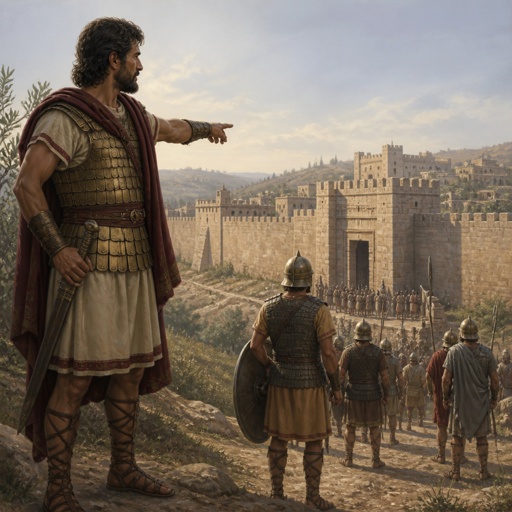
"And it came to pass, when Joab observed the city, that he assigned Uriah unto a place where he knew that valiant men were." - 2 Samuel 11:16

2 Samuel 16:17 - "And Absalom said to Hushai, Is this thy kindness to thy friend? why wentest thou not with thy friend?"

2 Samuel 22:11 - "And he rode upon a cherub, and did fly: and he was seen upon the wings of the wind."

2 Samuel 12:16 - "David therefore besought God for the child; and David fasted, and went in, and lay all night upon the earth."

2 Samuel 11:22 - "¶ So the messenger went, and came and shewed David all that Joab had sent him for."

2 Samuel 22:16 - "And the channels of the sea appeared, the foundations of the world were discovered, at the rebuking of the LORD, at the blast of the breath of his nostrils."