What does 2 Samuel 2:3 mean?
“And his men that were with him did David bring up, every man with his household: and they dwelt in the cities of Hebron.” — 2 Samuel 2:3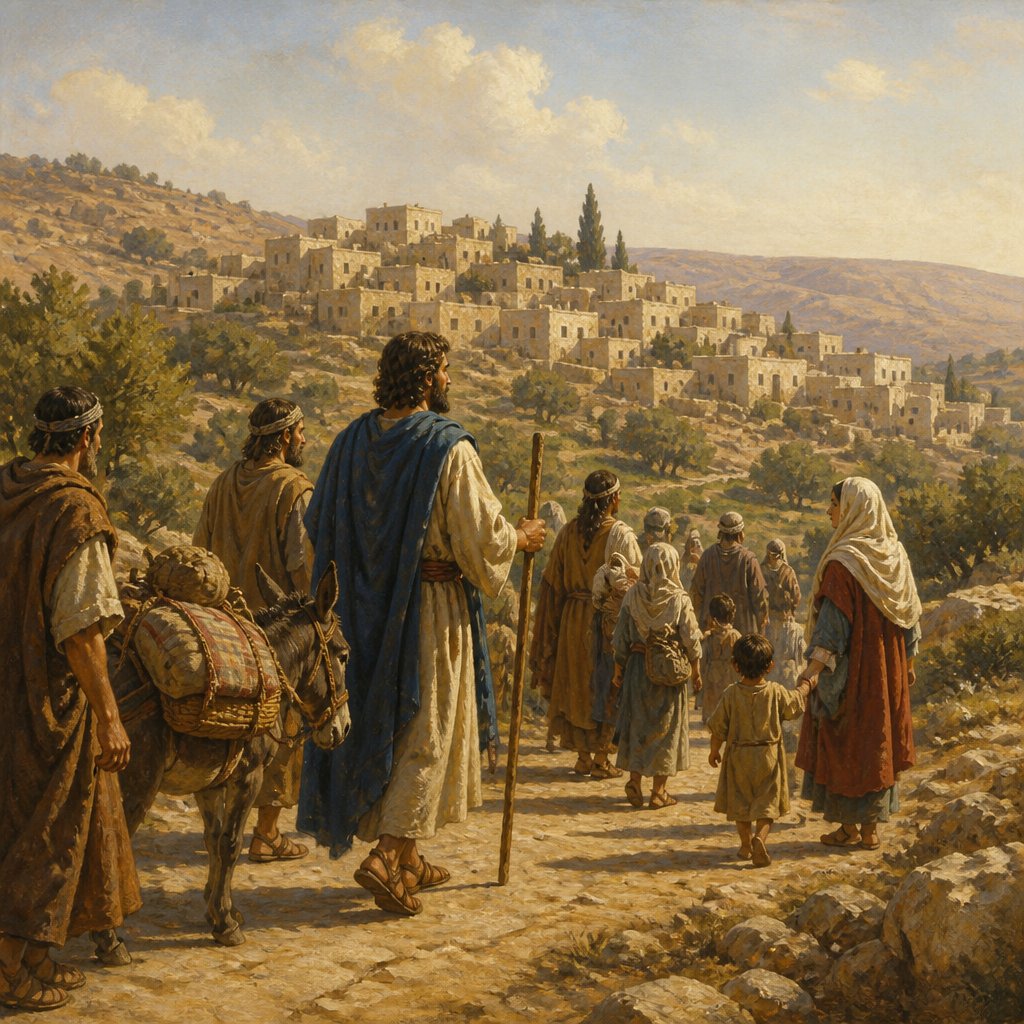
The Bible verse 2 Samuel 2:3 states, "And his men that were with him did David bring up, every man with his household: and they dwelt in the cities of Hebron." This verse comes from the Old Testament, in the book of 2 Samuel, which is a historical and prophetic book of the Bible that details the reign of King David and the events surrounding his kingship.
In this verse, King David is consolidating his power and establishing his rule over the land of Israel. He has just been anointed as king over the tribe of Judah, and he is now gathering loyal followers to support him in his new position. The men mentioned in the verse are those who have chosen to align themselves with David and support his claim to the throne.
The verse also mentions that David brought up every man with his household, indicating that he is not only assembling a group of soldiers, but also families who will settle in the cities of Hebron. This act of bringing up the men and their households shows David's commitment to providing for and protecting his followers. It also demonstrates his desire to establish a stable and secure community in Hebron, where he can govern effectively.
One of the key themes in this verse is the establishment of kingship and the formation of a loyal following. David is taking the necessary steps to solidify his rule and create a sense of unity and stability among his supporters. This demonstrates the importance of leadership and the need for a strong and unified kingdom.
Another theme present in this verse is the idea of community and family. David is not just gathering soldiers, but also their families, to settle in the cities of Hebron. This emphasizes the importance of strong familial and community ties in the establishment of a kingdom. It also highlights David's concern for the well-being and livelihood of his followers, as he ensures that they are provided for and have a place to call home.
The context of this verse is important to understanding its significance. Prior to this verse, David had been anointed as king by the tribe of Judah, while the rest of Israel was still under the rule of Saul's son, Ish-bosheth. David's journey to kingship was not without conflict and opposition. He faced many challenges and threats to his claim to the throne, including battles with the forces of Ish-bosheth.
By bringing his men and their households to Hebron, David is demonstrating his determination to establish a strong and united kingdom. This act not only solidifies his power in Hebron, but also serves as a strategic move to gain influence and support in the surrounding areas.
Symbolism in this verse can be seen in the cities of Hebron themselves. Hebron holds historical significance as one of the oldest cities in the world, and it is often associated with the biblical patriarchs Abraham, Isaac, and Jacob. By settling in Hebron, David is aligning himself with this rich biblical history and drawing on the legacy of his ancestors. It also serves as a symbolic gesture of unification and solidarity among his followers.
In conclusion, 2 Samuel 2:3 is a significant verse in the biblical narrative of King David's rise to kingship. It highlights the themes of leadership, community, and solidarity, and it demonstrates David's commitment to establishing a stable and secure kingdom. The context of this verse provides insight into the challenges and opposition David faced in his pursuit of kingship, and the symbolism of settling in Hebron reflects the rich biblical history and legacy that David draws upon. Overall, this verse offers valuable insights into the biblical narrative of kingship and the establishment of a united kingdom under the rule of King David.
Get our apps


Artwork for 2 Samuel 2:3

2 Samuel 2:3 - "And his men that were with him did David bring up, every man with his household: and they dwelt in the cities of Hebron."
"And his men that were with him did David bring up, every man with his household: and they dwelt in the cities of Hebron." - 2 Samuel 2:3

2 Samuel 3:2 - "¶ And unto David were sons born in Hebron: and his firstborn was Amnon, of Ahinoam the Jezreelitess;"

2 Samuel 4:3 - "And the Beerothites fled to Gittaim, and were sojourners there until this day.)"

2 Samuel 3:4 - "And the fourth, Adonijah the son of Haggith; and the fifth, Shephatiah the son of Abital;"

2 Samuel 3:33 - "And the king lamented over Abner, and said, Died Abner as a fool dieth?"

2 Samuel 3:5 - "And the sixth, Ithream, by Eglah David's wife. These were born to David in Hebron."

2 Samuel 3:3 - "And his second, Chileab, of Abigail the wife of Nabal the Carmelite; and the third, Absalom the son of Maacah the daughter of Talmai king of Geshur;"

2 Samuel 7:3 - "And Nathan said to the king, Go, do all that is in thine heart; for the LORD is with thee."

2 Samuel 3:11 - "And he could not answer Abner a word again, because he feared him."

2 Samuel 3:37 - "For all the people and all Israel understood that day that it was not of the king to slay Abner the son of Ner."

2 Samuel 14:3 - "And come to the king, and speak on this manner unto him. So Joab put the words in her mouth."

2 Samuel 3:36 - "And all the people took notice of it, and it pleased them: as whatsoever the king did pleased all the people."

2 Samuel 3:15 - "And Ish-bosheth sent, and took her from her husband, even from Phaltiel the son of Laish."

2 Samuel 3:38 - "And the king said unto his servants, Know ye not that there is a prince and a great man fallen this day in Israel?"

2 Samuel 3:6 - "¶ And it came to pass, while there was war between the house of Saul and the house of David, that Abner made himself strong for the house of Saul."

2 Samuel 11:3 - "And David sent and enquired after the woman. And one said, Is not this Bath-sheba, the daughter of Eliam, the wife of Uriah the Hittite?"

2 Samuel 19:3 - "And the people gat them by stealth that day into the city, as people being ashamed steal away when they flee in battle."

2 Samuel 3:17 - "¶ And Abner had communication with the elders of Israel, saying, Ye sought for David in times past to be king over you:"

2 Samuel 3:32 - "And they buried Abner in Hebron: and the king lifted up his voice, and wept at the grave of Abner; and all the people wept."

2 Samuel 15:3 - "And Absalom said unto him, See, thy matters are good and right; but there is no man deputed of the king to hear thee."

2 Samuel 13:3 - "But Amnon had a friend, whose name was Jonadab, the son of Shimeah David's brother: and Jonadab was a very subtil man."

2 Samuel 3:30 - "So Joab and Abishai his brother slew Abner, because he had slain their brother Asahel at Gibeon in the battle."

2 Samuel 8:3 - "¶ David smote also Hadadezer, the son of Rehob, king of Zobah, as he went to recover his border at the river Euphrates."

2 Samuel 3:20 - "So Abner came to David to Hebron, and twenty men with him. And David made Abner and the men that were with him a feast."

2 Samuel 3:1 - "Now there was long war between the house of Saul and the house of David: but David waxed stronger and stronger, and the house of Saul waxed weaker and weaker."
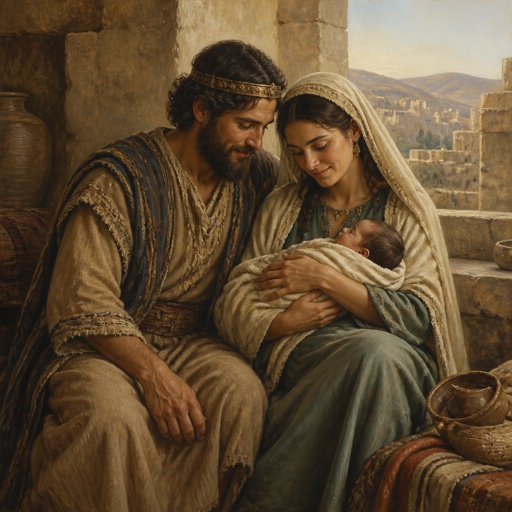
"¶ And unto David were sons born in Hebron: and his firstborn was Amnon, of Ahinoam the Jezreelitess;" - 2 Samuel 3:2

2 Samuel 3:9 - "So do God to Abner, and more also, except, as the LORD hath sworn to David, even so I do to him;"

2 Samuel 23:3 - "The God of Israel said, the Rock of Israel spake to me, He that ruleth over men must be just, ruling in the fear of God."

2 Samuel 3:10 - "To translate the kingdom from the house of Saul, and to set up the throne of David over Israel and over Judah, from Dan even to Beer-sheba."