What does 2 Samuel 3:23 mean?
“When Joab and all the host that was with him were come, they told Joab, saying, Abner the son of Ner came to the king, and he hath sent him away, and he is gone in peace.” — 2 Samuel 3:23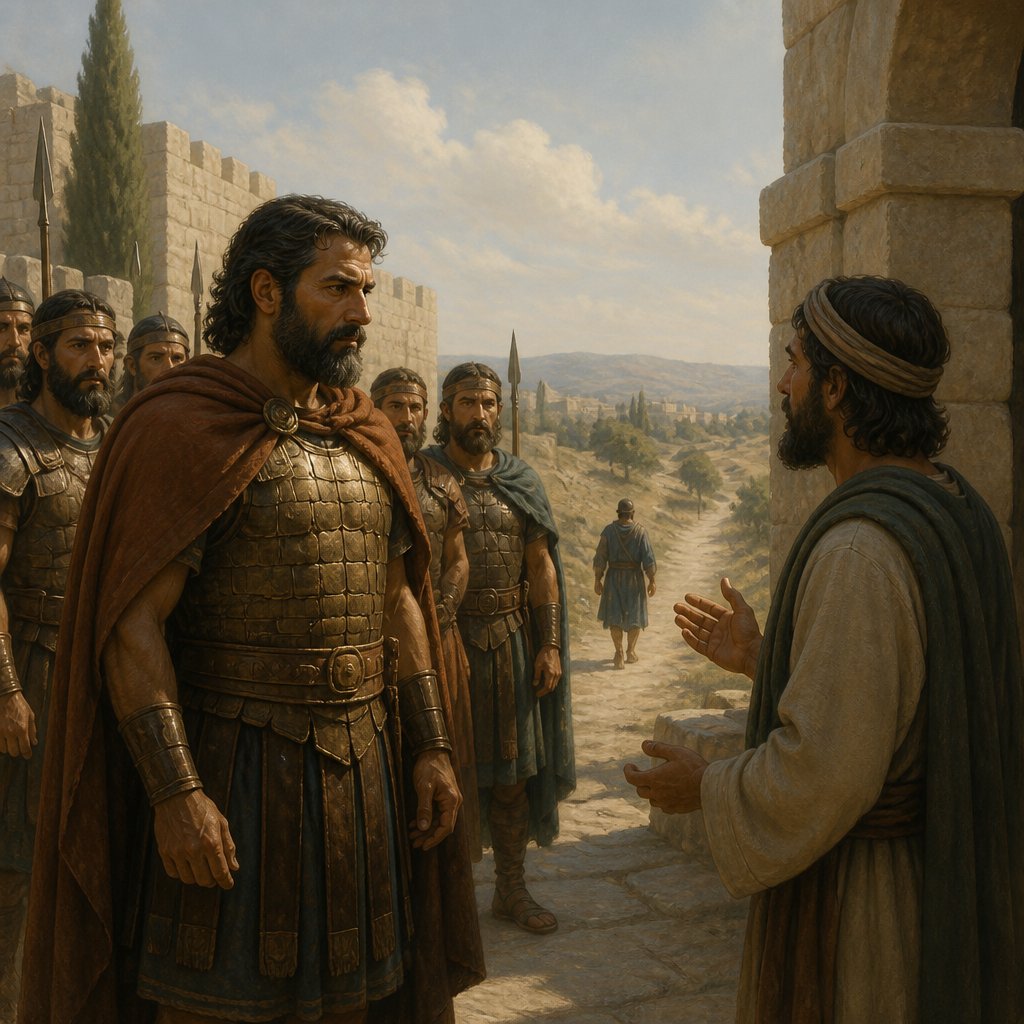
The Bible verse 2 Samuel 3:23 from the King James Version reads, "When Joab and all the host that was with him were come, they told Joab, saying, Abner the son of Ner came to the king, and he hath sent him away, and he is gone in peace." This verse is part of the narrative in the book of 2 Samuel, which details the political struggles and power dynamics within the kingdom of Israel during the time of King David. To provide a detailed and in-depth commentary on this verse, it is important to examine its themes, context, and symbolism within the larger narrative of 2 Samuel.
The theme of power and political maneuvering is prevalent throughout the book of 2 Samuel, and this verse is no exception. In this specific passage, Joab and his men report to Joab that Abner, a prominent military commander and political figure, had come to see King David and had been sent away in peace. This interaction between Abner and King David is significant because it demonstrates the complex relationships and alliances that existed within the kingdom at that time. Abner's visit to the king and his peaceful departure could be interpreted as a potential attempt to negotiate or form an alliance, which adds to the political tensions and power struggles present in the narrative.
The context of this verse is crucial to understanding its significance within the larger narrative of 2 Samuel. Prior to this passage, Abner had been a key figure in the rival kingdom of Saul, serving as the commander of Saul's army. After Saul's death, Abner had allied himself with Ish-bosheth, one of Saul's sons, in opposition to King David. However, as the power dynamics shifted and alliances changed, Abner's visit to King David signified a potential shift in the balance of power within the kingdom. This context adds depth to the verse, as it underscores the political complexities and the fluidity of alliances during this period in Israel's history.
Symbolism in this verse can be interpreted through the characters of Abner, Joab, and King David. Abner represents political and military power, as he was a renowned commander and a key figure in the kingdom's leadership. His visit to King David and the subsequent peaceful departure can symbolize the potential for reconciliation and diplomacy amidst the political strife. Joab, on the other hand, represents the existing power structure and the loyalty to King David. His role in reporting Abner's visit highlights the tension and suspicion that existed between different factions within the kingdom. King David, as the central figure in this passage, embodies the struggle for power and the complexities of leadership. His interaction with Abner holds symbolic significance in that it reflects his ability to navigate the political landscape and potentially secure alliances.
In conclusion, 2 Samuel 3:23 is a verse that delves into the themes of power, politics, and alliances within the kingdom of Israel during the time of King David. Its significance lies in its portrayal of the intricate relationships and power dynamics that shaped the political landscape of that time. Through its context, themes, and symbolism, this verse adds depth to the larger narrative of 2 Samuel and offers insights into the complexities of leadership and diplomacy in ancient Israel.
Get our apps


Artwork for 2 Samuel 3:23
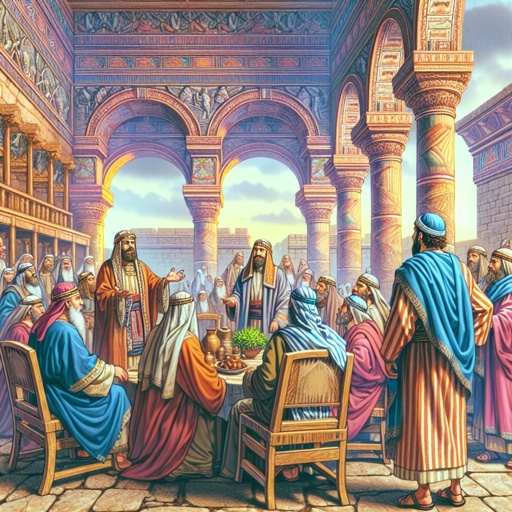
2 Samuel 3:23 - "When Joab and all the host that was with him were come, they told Joab, saying, Abner the son of Ner came to the king, and he hath sent him away, and he is gone in peace."
"When Joab and all the host that was with him were come, they told Joab, saying, Abner the son of Ner came to the king, and he hath sent him away, and he is gone in peace." - 2 Samuel 3:23

2 Samuel 23:3 - "The God of Israel said, the Rock of Israel spake to me, He that ruleth over men must be just, ruling in the fear of God."

2 Samuel 23:38 - "Ira an Ithrite, Gareb an Ithrite,"

2 Samuel 23:28 - "Zalmon the Ahohite, Maharai the Netophathite,"

2 Samuel 23:35 - "Hezrai the Carmelite, Paarai the Arbite,"

2 Samuel 23:27 - "Abiezer the Anethothite, Mebunnai the Hushathite,"

2 Samuel 23:25 - "Shammah the Harodite, Elika the Harodite,"

2 Samuel 23:2 - "The Spirit of the LORD spake by me, and his word was in my tongue."

2 Samuel 23:31 - "Abi-albon the Arbathite, Azmaveth the Barhumite,"

2 Samuel 23:39 - "Uriah the Hittite: thirty and seven in all."

2 Samuel 23:30 - "Benaiah the Pirathonite, Hiddai of the brooks of Gaash,"

2 samuel 23:8-21

2 Samuel 23:32 - "Eliahba the Shaalbonite, of the sons of Jashen, Jonathan,"

2 Samuel 23:33 - "Shammah the Hararite, Ahiam the son of Sharar the Hararite,"

2 Samuel 23:14 - "And David was then in an hold, and the garrison of the Philistines was then in Beth-lehem."

2 Samuel 23:26 - "Helez the Paltite, Ira the son of Ikkesh the Tekoite,"

2 Samuel 23:36 - "Igal the son of Nathan of Zobah, Bani the Gadite,"

2 Samuel 23:23 - "He was more honourable than the thirty, but he attained not to the first three. And David set him over his guard."

2 Samuel 14:23 - "So Joab arose and went to Geshur, and brought Absalom to Jerusalem."

2 Samuel 23:37 - "Zelek the Ammonite, Naharai the Beerothite, armourbearer to Joab the son of Zeruiah,"

2 Samuel 6:23 - "Therefore Michal the daughter of Saul had no child unto the day of her death."

2 Samuel 23:34 - "Eliphelet the son of Ahasbai, the son of the Maachathite, Eliam the son of Ahithophel the Gilonite,"

2 Samuel 23:24 - "Asahel the brother of Joab was one of the thirty; Elhanan the son of Dodo of Beth-lehem,"

2 Samuel 23:29 - "Heleb the son of Baanah, a Netophathite, Ittai the son of Ribai out of Gibeah of the children of Benjamin,"

2 Samuel 23:12 - "But he stood in the midst of the ground, and defended it, and slew the Philistines: and the LORD wrought a great victory."

"Shammah the Harodite, Elika the Harodite," - 2 Samuel 23:25

2 Samuel 23:22 - "These things did Benaiah the son of Jehoiada, and had the name among three mighty men."

"Ira an Ithrite, Gareb an Ithrite," - 2 Samuel 23:38

"Hezrai the Carmelite, Paarai the Arbite," - 2 Samuel 23:35