What does 2 Samuel 5:17 mean?
“But when the Philistines heard that they had anointed David king over Israel, all the Philistines came up to seek David; and David heard of it, and went down to the hold.” — 2 Samuel 5:17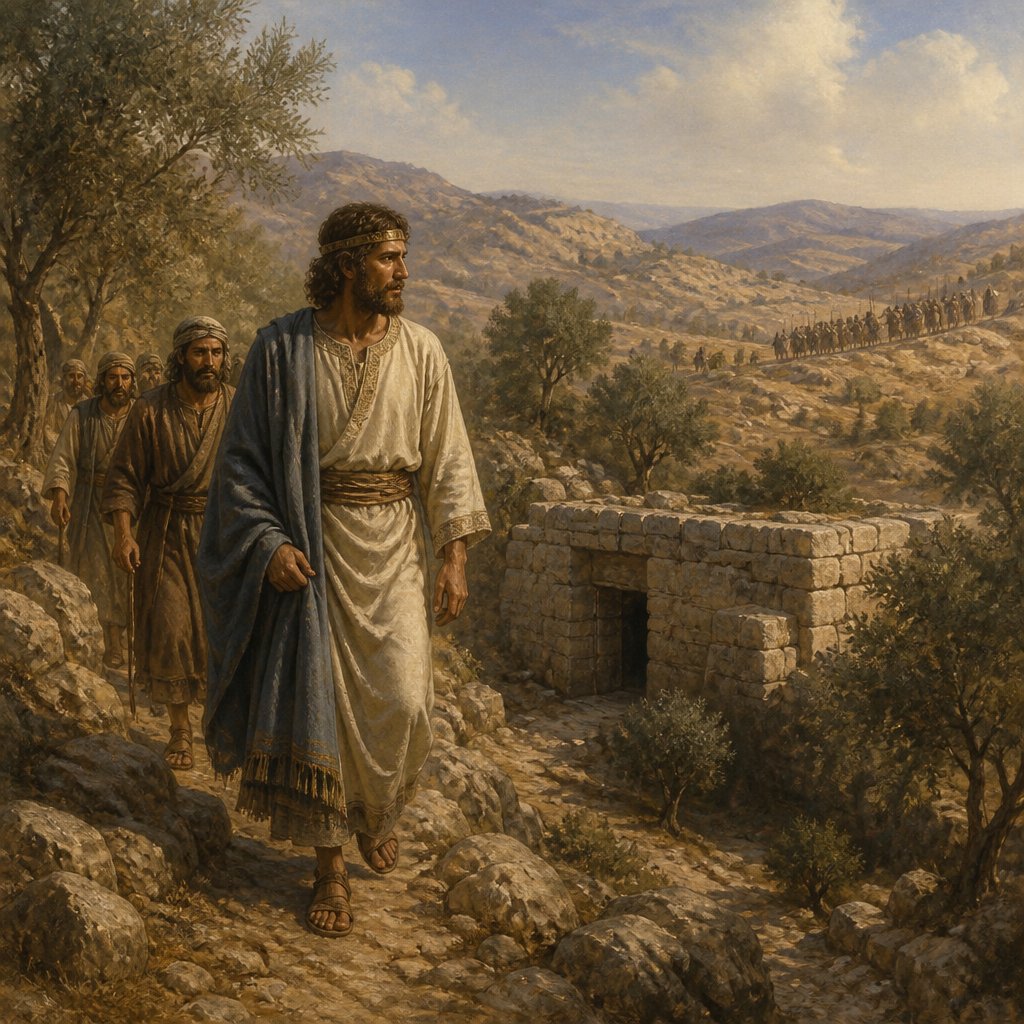
2 Samuel 5:17 from the King James Version reads, "But when the Philistines heard that they had anointed David king over Israel, all the Philistines came up to seek David; and David heard of it, and went down to the hold."
This verse is a part of a larger narrative in the book of 2 Samuel, which tells the story of David’s reign as king over Israel. This particular verse reflects the continuing conflict between David and the Philistines. It also highlights David's response to the threat posed by the Philistines and his reliance on God for guidance and protection.
The verse begins with the Philistines hearing that David had been anointed king over Israel. This news was a cause for concern for them, as David was a formidable and influential leader. In response to this threat, the Philistines mobilize their forces to seek out David. This demonstrates the constant tension and struggle for power and influence in the region during this time.
The mention of David going down to the hold signifies his strategic response to the threat. The “hold” refers to a fortified place or stronghold, where David would seek refuge and protection from his enemies. This illustrates David’s military acumen and his ability to take proactive measures to defend himself and his people.
In a broader context, this verse also speaks to the challenges and obstacles that David faced as king. Despite being anointed by God and chosen to lead Israel, David’s reign was marked by constant conflict and opposition from neighboring nations, the Philistines being one of the most persistent adversaries. This is a reminder of the complexities and difficulties inherent in leadership, and the need for resilience and faith in the face of opposition.
Symbolically, the Philistines can be seen as representing the forces of evil and opposition to God's chosen leader. David, on the other hand, represents the righteous and faithful leader who seeks to fulfill God's will for his people. This dynamic reflects the ongoing spiritual and moral struggle between good and evil, and the need for God’s chosen leaders to confront and overcome the challenges posed by the forces of darkness.
Furthermore, the verse also highlights the importance of seeking God's guidance and protection in times of trouble. David's response to the threat from the Philistines was not only strategic but also deeply rooted in his faith in God. Throughout his reign, David consistently sought God’s wisdom and strength to navigate the complex political and military challenges he faced. This serves as a powerful example of the importance of trusting in God's providence and seeking His help in times of difficulty.
In conclusion, 2 Samuel 5:17 provides a glimpse into the tumultuous and challenging circumstances of David’s reign as king over Israel. It underscores the ongoing conflict with the Philistines, David’s strategic response to the threat, and the importance of his faith and reliance on God. The verse offers valuable insights into the complexities of leadership, the spiritual struggle between good and evil, and the need for unwavering faith in God's guidance and protection. This verse continues to resonate with readers today as a timeless reminder of the enduring challenges and triumphs of leadership and the ultimate reliance on God’s providence.
Get our apps


Artwork for 2 Samuel 5:17

2 Samuel 5:17 - "¶ But when the Philistines heard that they had anointed David king over Israel, all the Philistines came up to seek David; and David heard of it, and went down to the hold."
"¶ But when the Philistines heard that they had anointed David king over Israel, all the Philistines came up to seek David; and David heard of it, and went down to the hold." - 2 Samuel 5:17

2 Samuel 17:5 - "Then said Absalom, Call now Hushai the Archite also, and let us hear likewise what he saith."

2 Samuel 5:12

2 Samuel 1. 17-27

2 Samuel 22:17-20

2 Samuel 5:15 - "Ibhar also, and Elishua, and Nepheg, and Japhia,"

2 Samuel 5:16 - "And Elishama, and Eliada, and Eliphalet."

2 Samuel 17:26 - "So Israel and Absalom pitched in the land of Gilead."

2 Samuel 2:17 - "And there was a very sore battle that day; and Abner was beaten, and the men of Israel, before the servants of David."

2 Samuel 17:4 - "And the saying pleased Absalom well, and all the elders of Israel."

"And Elishama, and Eliada, and Eliphalet." - 2 Samuel 5:16

2 Corinthians 5:17

2 Corinthians 5:17

2 Corinthians 5:17

2 Corinthians 5:17

2 Corinthians 5:17

2 Corinthians 5:17

2 Corinthians 5:17

2 Samuel 1:17 - "¶ And David lamented with this lamentation over Saul and over Jonathan his son:"

2 Corinthians 5:17

2 Corinthians 5:17

2 Corinthians 5:17

2 Corinthians 5:17
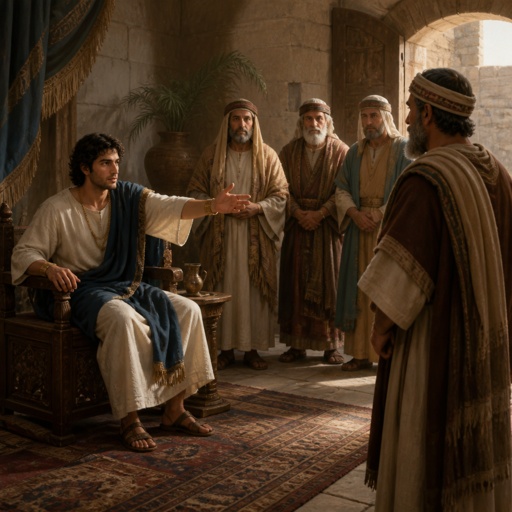
"Then said Absalom, Call now Hushai the Archite also, and let us hear likewise what he saith." - 2 Samuel 17:5

2 Samuel 17:17 - "Now Jonathan and Ahimaaz stayed by En-rogel; for they might not be seen to come into the city: and a wench went and told them; and they went and told king David."

2 Samuel 5:18 - "The Philistines also came and spread themselves in the valley of Rephaim."

2 Samuel 5:7 - "Nevertheless David took the strong hold of Zion: the same is the city of David."

1 Samuel 17:5 - "And he had an helmet of brass upon his head, and he was armed with a coat of mail; and the weight of the coat was five thousand shekels of brass."

2 Samuel 8:17 - "And Zadok the son of Ahitub, and Ahimelech the son of Abiathar, were the priests; and Seraiah was the scribe;"