What does 2 Samuel 9:10 mean?
“Thou therefore, and thy sons, and thy servants, shall till the land for him, and thou shalt bring in the fruits, that thy master’s son may have food to eat: but Mephibosheth thy master’s son shall eat bread alway at my table. Now Ziba had fifteen sons and twenty servants.” — 2 Samuel 9:10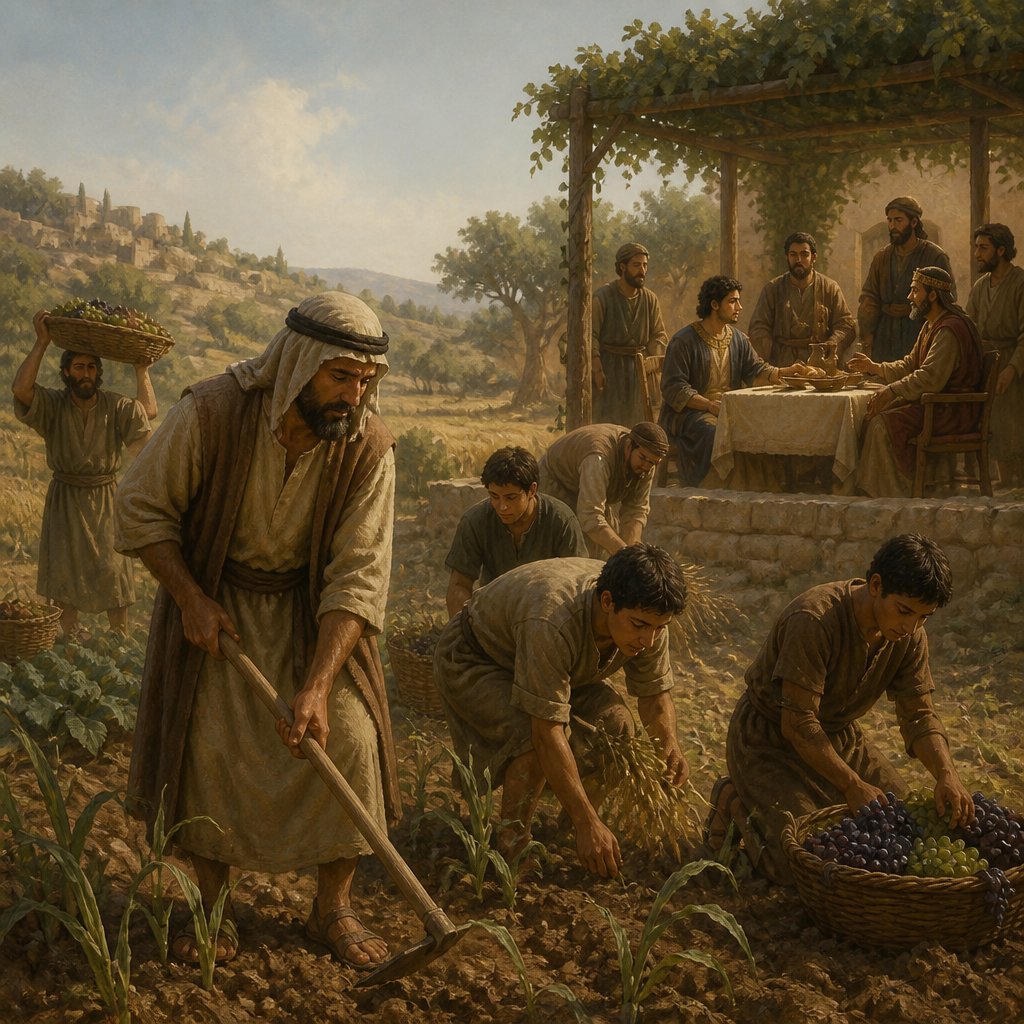
The verse 2 Samuel 9:10 from the King James Version (KJV) of the Bible states: "Thou therefore, and thy sons, and thy servants, shall till the land for him, and thou shalt bring in the fruits, that thy master's son may have food to eat: but Mephibosheth thy master's son shall eat bread alway at my table. Now Ziba had fifteen sons and twenty servants."
This verse comes from a passage in the Old Testament that tells the story of King David and his desire to show kindness to someone from the house of his predecessor, King Saul. The verse specifically refers to David's compassion and generosity towards Mephibosheth, who was the crippled son of Jonathan and the grandson of King Saul.
Contextually, this verse occurs after David inquires if there is anyone left from the house of Saul to whom he can show kindness for Jonathan's sake. After learning about Mephibosheth, who had been living in Lo-debar under the care of Machir, David sends for him and restores all the land that belonged to his grandfather, King Saul. Not only does David restore Mephibosheth's inheritance, but he also ensures that Mephibosheth is provided for, as outlined in 2 Samuel 9:10.
The themes present in this verse include themes of compassion, kindness, and generosity. King David's actions towards Mephibosheth demonstrate the importance of showing kindness to those who are in need, and the verse depicts the importance of taking care of the less fortunate. It also highlights the concept of grace and restoration, as David restores Mephibosheth's inheritance and provides for his well-being despite the troubled history between their families.
Symbolically, this verse can be seen as a representation of God's grace and kindness towards humanity. In the Christian faith, this passage from the Old Testament can be interpreted as a foreshadowing of the redemptive work of Jesus Christ. And just as David extended kindness and provision to Mephibosheth, God offers grace and restoration to those who believe in Him.
The act of Mephibosheth being brought to eat at the king's table can also be seen as a symbol of inclusion and acceptance. Despite Mephibosheth's physical limitations and his family's history, David welcomes him into his presence and provides for him as if he were a member of the royal family. This can serve as a powerful allegory for God's acceptance of all people, regardless of their backgrounds or shortcomings.
Overall, 2 Samuel 9:10 from the King James Version of the Bible holds deep significance in its portrayal of compassion, kindness, and restoration. The verse showcases the virtues of generosity and inclusion while also carrying symbolic meaning for the Christian faith. It serves as a reminder of the importance of extending grace to others and demonstrates the redemptive power of love and compassion.
Get our apps


Artwork for 2 Samuel 9:10

2 Samuel 9:10 - "Thou therefore, and thy sons, and thy servants, shall till the land for him, and thou shalt bring in the fruits, that thy master's son may have food to eat: but Mephibosheth thy master's son shall eat bread alway at my table. Now Ziba had fifteen sons and twenty servants."
"Thou therefore, and thy sons, and thy servants, shall till the land for him, and thou shalt bring in the fruits, that thy master's son may have food to eat: but Mephibosheth thy master's son shall eat bread alway at my table. Now Ziba had fifteen sons and twenty servants." - 2 Samuel 9:10

2 Samuel 10:9 - "When Joab saw that the front of the battle was against him before and behind, he chose of all the choice men of Israel, and put them in array against the Syrians:"

2 samuel 9:7 fhdhdhdhhd

2 Samuel 11:9

2 Samuel 10:4

2 Samuel 10:4
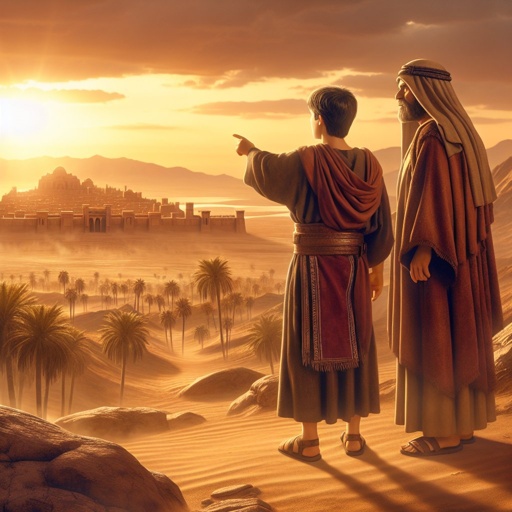
1 Samuel 9:10 - "Then said Saul to his servant, Well said; come, let us go. So they went unto the city where the man of God was."
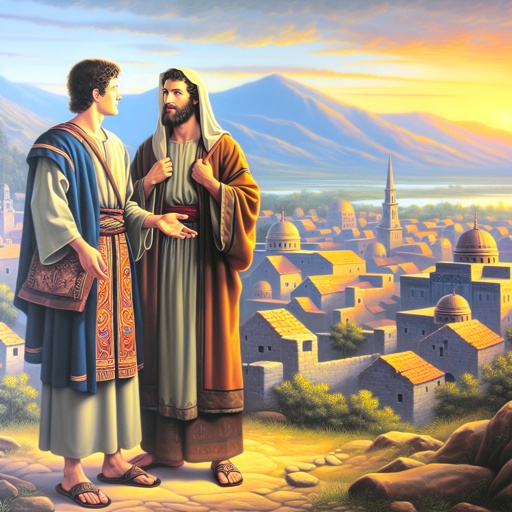
1 Samuel 9:1-2

1 Samuel 10:9 - "¶ And it was so, that when he had turned his back to go from Samuel, God gave him another heart: and all those signs came to pass that day."

Titus 2:9-10

Titus 2:9-10

2 Samuel 5:10 - "And David went on, and grew great, and the LORD God of hosts was with him."

2 Samuel 10:10 - "And the rest of the people he delivered into the hand of Abishai his brother, that he might put them in array against the children of Ammon."
2 Corinthians 12:9-10

2 Samuel 22:10 - "He bowed the heavens also, and came down; and darkness was under his feet."

2 Samuel 10:7 - "And when David heard of it, he sent Joab, and all the host of the mighty men."

2 Samuel 10:15 - "¶ And when the Syrians saw that they were smitten before Israel, they gathered themselves together."

2 Samuel 2:9 - "And made him king over Gilead, and over the Ashurites, and over Jezreel, and over Ephraim, and over Benjamin, and over all Israel."

2 Samuel 8:9 - "¶ When Toi king of Hamath heard that David had smitten all the host of Hadadezer,"

2 Samuel 9:9 - "¶ Then the king called to Ziba, Saul's servant, and said unto him, I have given unto thy master's son all that pertained to Saul and to all his house."

2 Samuel 6:9 - "And David was afraid of the LORD that day, and said, How shall the ark of the LORD come to me?"

2 Samuel 15:9 - "And the king said unto him, Go in peace. So he arose, and went to Hebron."

2 Samuel 18:10 - "And a certain man saw it, and told Joab, and said, Behold, I saw Absalom hanged in an oak."

2 Samuel 9:1 - "And David said, Is there yet any that is left of the house of Saul, that I may shew him kindness for Jonathan's sake?"

2 Samuel 9:5 - "¶ Then king David sent, and fetched him out of the house of Machir, the son of Ammiel, from Lo-debar."

2 Corinthians 10:9 - "That I may not seem as if I would terrify you by letters."

2 Samuel 11:9 - "But Uriah slept at the door of the king's house with all the servants of his lord, and went not down to his house."

2 Samuel 9:13 - "So Mephibosheth dwelt in Jerusalem: for he did eat continually at the king's table; and was lame on both his feet."

1 Samuel 2:9 - "He will keep the feet of his saints, and the wicked shall be silent in darkness; for by strength shall no man prevail."