What does Acts 1:12 mean?
“Then returned they unto Jerusalem from the mount called Olivet, which is from Jerusalem a sabbath day’ s journey.” — Acts 1:12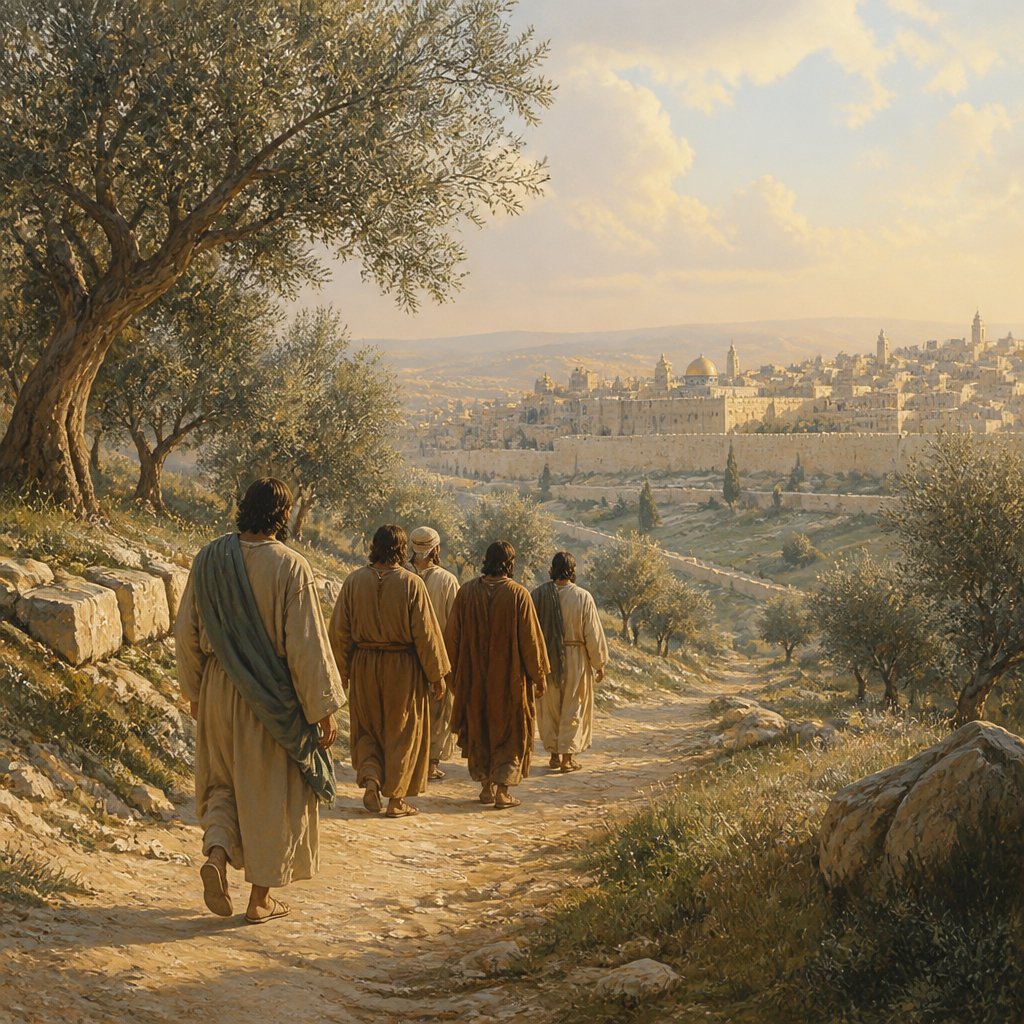
Acts 1:12 in the King James Version says, "Then returned they unto Jerusalem from the mount called Olivet, which is from Jerusalem a sabbath day's journey."
This verse comes from the book of Acts, which is the fifth book in the New Testament. It was written by Luke, the same author of the Gospel of Luke. Acts is a historical account of the early Christian church and the growth of Christianity after the death and resurrection of Jesus Christ. The book of Acts begins with Jesus' ascension into heaven and the promise of the Holy Spirit before the disciples return to Jerusalem.
In Acts 1:12, the disciples are coming back to Jerusalem from the Mount of Olives, which is located just east of the city. This verse is significant because it marks the transition from the instruction and commissioning of the disciples by Jesus to the beginning of their ministry and the outpouring of the Holy Spirit. The Mount of Olives holds an important place in scripture, as it was the location where Jesus often went to pray, and it is also the place where he ascended into heaven.
The theme of obedience and faithfulness is evident in this verse as the disciples were instructed by Jesus to wait in Jerusalem for the gift of the Holy Spirit. They followed his instructions and returned to the city, demonstrating their trust and faith in his promises. This act of obedience set the stage for the fulfillment of Jesus' words and the coming of the Holy Spirit on the day of Pentecost.
The context of Acts 1:12 is crucial in understanding its significance. After Jesus' resurrection, he spent 40 days with his disciples, teaching them about the kingdom of God and instructing them to wait in Jerusalem for the empowerment of the Holy Spirit. The disciples were to be his witnesses in Jerusalem, Judea, Samaria, and to the ends of the earth, but they were not to begin this mission until they had received the power of the Holy Spirit. Therefore, their return to Jerusalem from the Mount of Olives was a pivotal moment in the fulfillment of Jesus' plan for the spread of the gospel.
Symbolism in this verse can be seen in the significance of the Mount of Olives. In the Old Testament, this mountain was linked to important events in the history of the Jewish people, and it was also associated with eschatological significance. In the New Testament, the Mount of Olives becomes the place from which Jesus ascends to heaven, signifying his exaltation and reign as Lord. The return of the disciples from this mountain to Jerusalem symbolizes the beginning of a new era for the church and the continuation of Jesus' work on earth through his followers.
Overall, Acts 1:12 is a verse that marks a crucial transition in the narrative of the early church. It highlights the obedience and faithfulness of the disciples, the significance of the Mount of Olives, and the anticipation of the coming of the Holy Spirit. This verse lays the foundation for the events that will unfold in the subsequent chapters of Acts, as the disciples receive the power of the Holy Spirit and boldly proclaim the gospel to the world.
Get our apps


Artwork for Acts 1:12

Acts 1:12 - "Then returned they unto Jerusalem from the mount called Olivet, which is from Jerusalem a sabbath day's journey."
"Then returned they unto Jerusalem from the mount called Olivet, which is from Jerusalem a sabbath day's journey." - Acts 1:12

Acts 18:12

Acts 1:2 - "Until the day in which he was taken up, after that he through the Holy Ghost had given commandments unto the apostles whom he had chosen:"

Acts 12:1 - "Now about that time Herod the king stretched forth his hands to vex certain of the church."

Acts 28:12

Acts 18:12

1 Samuel 12:7 - "Now therefore stand still, that I may reason with you before the LORD of all the righteous acts of the LORD, which he did to you and to your fathers."

Acts 4:8-12

acts 20:7-12

Acts 12:24 - "¶ But the word of God grew and multiplied."

Hosea 1:2-11;2:14;3:5

Acts 12:2 - "And he killed James the brother of John with the sword."

Acts 28:12 - "And landing at Syracuse, we tarried there three days."
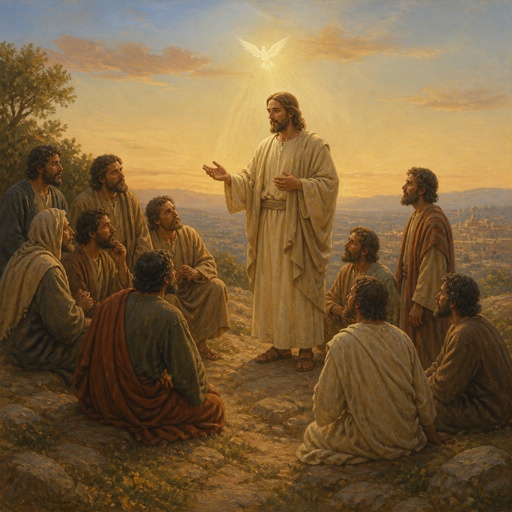
"Until the day in which he was taken up, after that he through the Holy Ghost had given commandments unto the apostles whom he had chosen:" - Acts 1:2
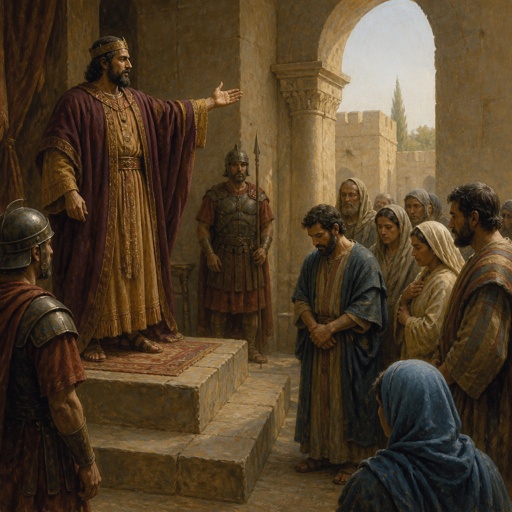
"Now about that time Herod the king stretched forth his hands to vex certain of the church." - Acts 12:1

Acts 12:22 - "And the people gave a shout, saying, It is the voice of a god, and not of a man."

Acts 20:12 - "And they brought the young man alive, and were not a little comforted."

Acts 12:13 - "And as Peter knocked at the door of the gate, a damsel came to hearken, named Rhoda."

Acts 14:12 - "And they called Barnabas, Jupiter; and Paul, Mercurius, because he was the chief speaker."

Acts 26:12 - "Whereupon as I went to Damascus with authority and commission from the chief priests,"

"¶ But the word of God grew and multiplied." - Acts 12:24

Acts 12:12 - "And when he had considered the thing, he came to the house of Mary the mother of John, whose surname was Mark; where many were gathered together praying."

Acts 2:12 - "And they were all amazed, and were in doubt, saying one to another, What meaneth this?"

Acts 12:18 - "Now as soon as it was day, there was no small stir among the soldiers, what was become of Peter."

Acts 12:16 - "But Peter continued knocking: and when they had opened the door, and saw him, they were astonished."

Acts 13:12 - "Then the deputy, when he saw what was done, believed, being astonished at the doctrine of the Lord."

Psalms 145:12 - "To make known to the sons of men his mighty acts, and the glorious majesty of his kingdom."
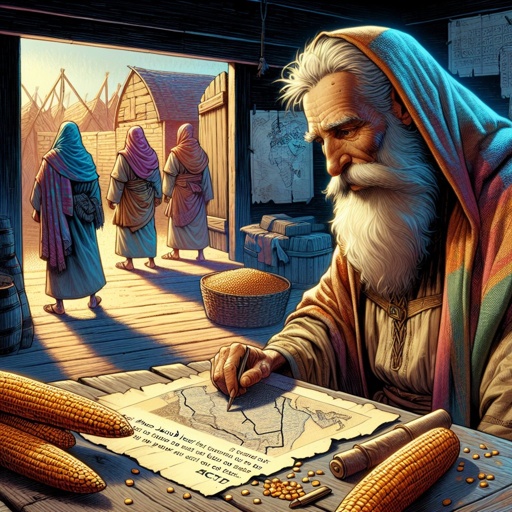
Acts 7:12 - "But when Jacob heard that there was corn in Egypt, he sent out our fathers first."

Acts 17:12 - "Therefore many of them believed; also of honourable women which were Greeks, and of men, not a few."