What does Acts 1:25 mean?
“That he may take part of this ministry and apostleship, from which Judas by transgression fell, that he might go to his own place.” — Acts 1:25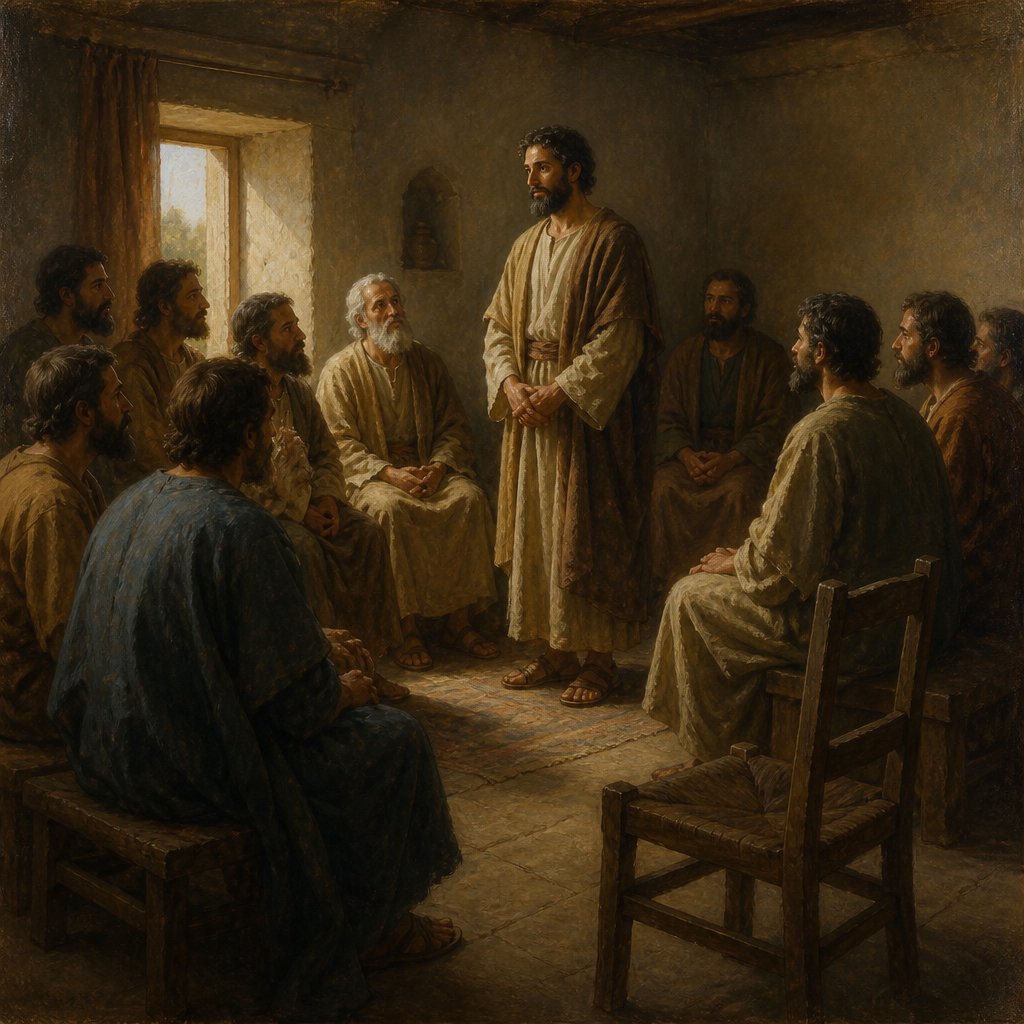
The Bible verse Acts 1:25 in the King James Version (KJV) reads, "That he may take part of this ministry and apostleship, from which Judas by transgression fell, that he might go to his own place." This verse takes place in the book of Acts, which is the fifth book of the New Testament and serves as a continuation of the Gospel of Luke. The verse comes at a significant moment in the early Christian Church, as it discusses the replacement of Judas Iscariot, who betrayed Jesus, with another apostle.
In order to truly understand the meaning and significance of Acts 1:25, it is important to examine the context in which it is situated. The verse takes place shortly after the ascension of Jesus into heaven, and the disciples are gathered together in Jerusalem. The group, including the eleven remaining apostles, are reflecting on their mission and the need to fulfill the vacancy left by Judas Iscariot's betrayal and subsequent death. It is within this context that they devise a plan to select a replacement for Judas, someone who had been with them since the baptism of John and had witnessed Jesus's ministry from the beginning.
The theme of replacement and restoration is central to Acts 1:25. Judas Iscariot's betrayal and subsequent death created a vacancy among the twelve apostles, leaving the group incomplete. This verse addresses the need to fulfill this vacancy and restore the apostolic ministry to its full complement. The language used in the verse, "that he may take part of this ministry and apostleship," highlights the importance of this replacement in continuing the work of the early Christian Church. The choice of a replacement is crucial in maintaining the integrity and continuity of the apostolic mission.
The verse also touches on the concept of divine providence and the sovereignty of God. The phrase, "from which Judas by transgression fell, that he might go to his own place," suggests that Judas's actions were a result of his own transgression, leading to his own fate. This serves as a reminder of the consequences of betraying Jesus and straying from the path of righteousness. At the same time, it implies that God's plan will prevail, and a replacement will be chosen to fulfill the vacancy left by Judas. It underscores the belief that God is ultimately in control and that His will shall be done.
There is also a sense of accountability and responsibility evident in Acts 1:25. The apostles recognize the need to fill the void left by Judas and ensure the continuity of their ministry. This entails selecting a suitable candidate who is qualified to bear the apostolic authority and carry out the mission of spreading the gospel. The deliberate and intentional nature of this selection process underscores the seriousness with which the apostles approach their calling and the importance of maintaining the integrity of their ministry.
In terms of symbolism, Acts 1:25 represents the idea of redemption and restoration. The replacement of Judas Iscariot with another apostle symbolizes the opportunity for renewal and the ability to move forward from past mistakes. It signifies the potential for transformation and the capacity for God to bring about new beginnings, even in the face of betrayal and loss. It also reflects the theme of divine grace, as the selection of a replacement demonstrates God's willingness to bestow His favor and restore the apostolic ministry to its full strength.
In conclusion, Acts 1:25 holds significant theological, thematic, and symbolic meaning within the context of the early Christian Church. It emphasizes the need for replacement and restoration within the apostolic ministry, while highlighting the themes of divine providence, accountability, and redemption. The verse symbolizes the opportunity for renewal and the potential for God to bring about new beginnings, even in the wake of betrayal. Ultimately, Acts 1:25 serves as a reminder of the enduring faith and perseverance of the early disciples in fulfilling their mission and spreading the gospel.
Get our apps


Artwork for Acts 1:25

Acts 1:25 - "That he may take part of this ministry and apostleship, from which Judas by transgression fell, that he might go to his own place."
"That he may take part of this ministry and apostleship, from which Judas by transgression fell, that he might go to his own place." - Acts 1:25

Acts 25:1 - "Now when Festus was come into the province, after three days he ascended from Caesarea to Jerusalem."

Acts 23:25 - "And he wrote a letter after this manner:"

Acts 11:25 - "Then departed Barnabas to Tarsus, for to seek Saul:"

Acts 14:25 - "And when they had preached the word in Perga, they went down into Attalia:"

Acts 25:25 - "But when I found that he had committed nothing worthy of death, and that he himself hath appealed to Augustus, I have determined to send him."

Acts 9:25 - "Then the disciples took him by night, and let him down by the wall in a basket."

Acts 25:2 - "Then the high priest and the chief of the Jews informed him against Paul, and besought him,"
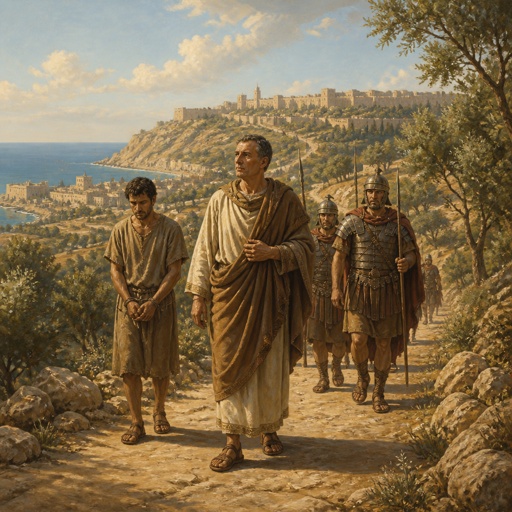
"Now when Festus was come into the province, after three days he ascended from Caesarea to Jerusalem." - Acts 25:1

Acts 16:25 - "¶ And at midnight Paul and Silas prayed, and sang praises unto God: and the prisoners heard them."

Acts 25:27 - "For it seemeth to me unreasonable to send a prisoner, and not withal to signify the crimes laid against him."

Acts 10:25 - "And as Peter was coming in, Cornelius met him, and fell down at his feet, and worshipped him."

Acts 25:13 - "And after certain days king Agrippa and Bernice came unto Caesarea to salute Festus."

Acts 27:25 - "Wherefore, sirs, be of good cheer: for I believe God, that it shall be even as it was told me."

Acts 25:4 - "But Festus answered, that Paul should be kept at Caesarea, and that he himself would depart shortly thither."

"And he wrote a letter after this manner:" - Acts 23:25

"Then departed Barnabas to Tarsus, for to seek Saul:" - Acts 11:25

Acts 25:18 - "Against whom when the accusers stood up, they brought none accusation of such things as I supposed:"

Acts 8:25 - "And they, when they had testified and preached the word of the Lord, returned to Jerusalem, and preached the gospel in many villages of the Samaritans."

2 Chronicles 25:26 - "Now the rest of the acts of Amaziah, first and last, behold, are they not written in the book of the kings of Judah and Israel?"

2 Kings 21:25 - "Now the rest of the acts of Amon which he did, are they not written in the book of the chronicles of the kings of Judah?"

Acts 26:25 - "But he said, I am not mad, most noble Festus; but speak forth the words of truth and soberness."

Acts 22:25 - "And as they bound him with thongs, Paul said unto the centurion that stood by, Is it lawful for you to scourge a man that is a Roman, and uncondemned?"

Acts 25:3 - "And desired favour against him, that he would send for him to Jerusalem, laying wait in the way to kill him."

Acts 25:20 - "And because I doubted of such manner of questions, I asked him whether he would go to Jerusalem, and there be judged of these matters."

Acts 25:19 - "But had certain questions against him of their own superstition, and of one Jesus, which was dead, whom Paul affirmed to be alive."

Acts 7:25 - "For he supposed his brethren would have understood how that God by his hand would deliver them: but they understood not."

Acts 12:25 - "And Barnabas and Saul returned from Jerusalem, when they had fulfilled their ministry, and took with them John, whose surname was Mark."

Acts 4:25 - "Who by the mouth of thy servant David hast said, Why did the heathen rage, and the people imagine vain things?"