What does Acts 10:39-40 mean?
“And we are witnesses of all things which he did both in the land of the Jews, and in Jerusalem; whom they slew and hanged on a tree: Him God raised up the third day, and shewed him openly;” — Acts 10:39-40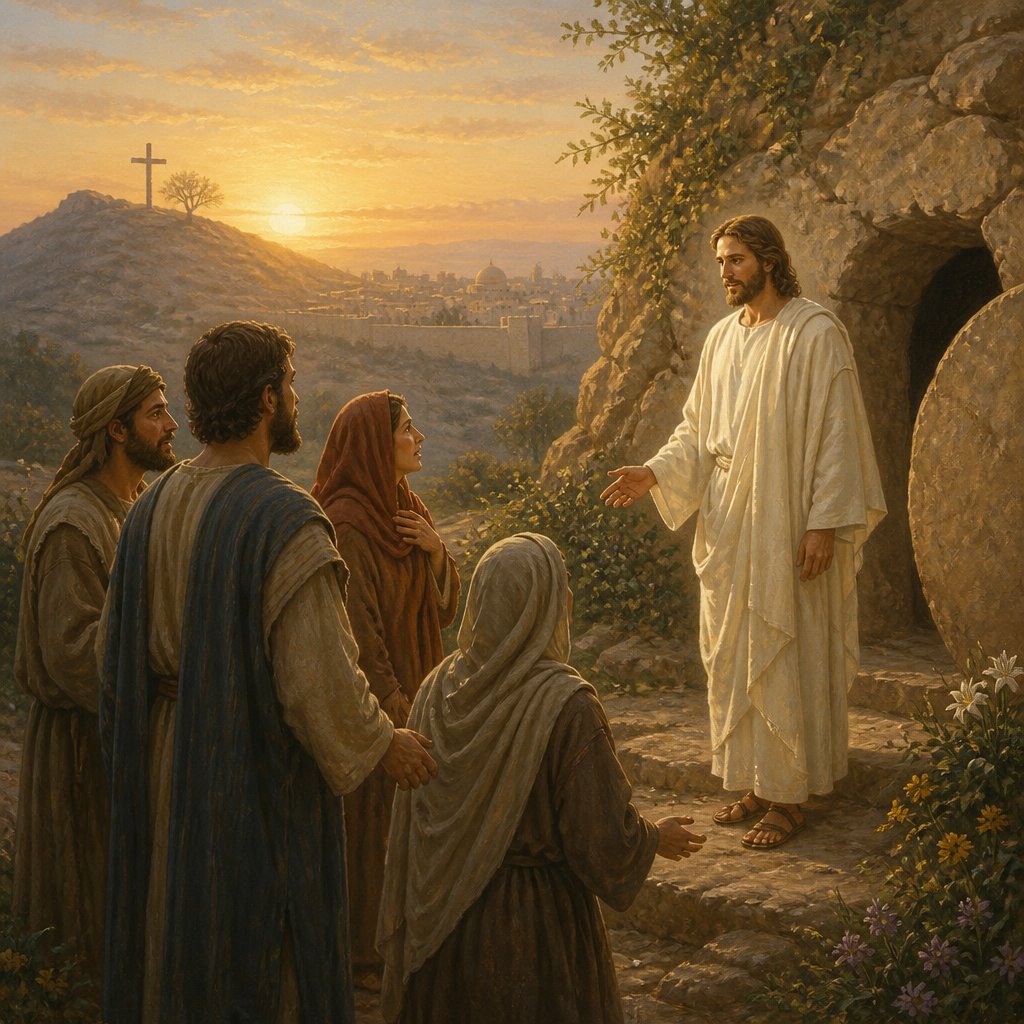
The Bible verse Acts 10:39-40 from the King James Version reads, "And we are witnesses of all things which he did both in the land of the Jews, and in Jerusalem; whom they slew and hanged on a tree: Him God raised up the third day, and shewed him openly."
This passage from the book of Acts is part of the speech given by the apostle Peter to Cornelius, a Roman centurion, and his household. In this speech, Peter recounts the life, death, and resurrection of Jesus Christ, emphasizing his role as a witness to these events. The verse contains several key themes, including the fulfillment of prophecy, the atonement for sin, and the power of God to overcome death.
The first theme present in this passage is the fulfillment of prophecy. Peter asserts that he and the other apostles are witnesses to "all things which he [Jesus] did both in the land of the Jews, and in Jerusalem." This statement emphasizes the fulfillment of Old Testament prophecies regarding the life and ministry of Jesus. The Jewish people had long awaited the arrival of a messianic figure who would deliver them from their oppression, and Peter's testimony serves to confirm that Jesus was the fulfillment of these prophecies.
In addition, the verse speaks to the atonement for sin through the death and resurrection of Jesus. Peter mentions that Jesus was "slain and hanged on a tree," a reference to the crucifixion. This emphasizes the sacrificial nature of Jesus's death, which is a central tenet of Christian theology. According to the Christian belief, Jesus's death on the cross atones for the sins of humanity, allowing for reconciliation with God and the promise of eternal life.
Furthermore, the passage highlights the power of God to overcome death through the resurrection of Jesus. Peter declares, "Him God raised up the third day, and shewed him openly." This statement underscores the miraculous nature of Jesus's resurrection, and the divine intervention that made it possible. The resurrection serves as a symbol of hope and victory over sin and death, and is a cornerstone of the Christian faith.
The context of this passage is also significant. Peter is addressing Cornelius, a Gentile, and his household, which marks a significant shift in the early church's understanding of the gospel. Prior to this encounter, Christianity was primarily a Jewish movement, but through this speech and subsequent events, it becomes clear that the message of salvation through Jesus Christ is intended for all people, regardless of their ethnicity or cultural background.
Symbolism is also present in this passage, particularly in the mention of Jesus being "hanged on a tree." This phrase alludes to the curse associated with hanging a person on a tree, a form of execution typically reserved for those who were considered cursed by God. In the book of Deuteronomy, it is written, "If a man has committed a sin deserving of death, and he is put to death, and you hang him on a tree, his body shall not remain overnight on the tree, but you shall surely bury him that day, so that you do not defile the land which the Lord your God is giving you as an inheritance; for he who is hanged is accursed of God" (Deuteronomy 21:22-23). Jesus's death on the cross, therefore, serves as a symbol of his willingness to take on the curse of sin and death on behalf of humanity, ultimately breaking its power through his resurrection.
In conclusion, Acts 10:39-40 from the King James Version of the Bible carries profound significance within the Christian faith. It addresses key themes such as the fulfillment of prophecy, atonement for sin, and the power of God to overcome death, while also emphasizing the inclusive nature of the gospel message. The passage serves as a foundational statement of the Christian belief in Jesus Christ as the savior and redeemer of humanity, and his death and resurrection as a means of reconciliation with God.
Get our apps


Artwork for Acts 10:39-40

Acts 10:39-40 - "And we are witnesses of all things which he did both in the land of the Jews, and in Jerusalem; whom they slew and hanged on a tree: Him God raised up the third day, and shewed him openly."
"And we are witnesses of all things which he did both in the land of the Jews, and in Jerusalem; whom they slew and hanged on a tree: Him God raised up the third day, and shewed him openly." - Acts 10:39-40

Acts 10:40 - "Him God raised up the third day, and shewed him openly;"

Acts 10:39 - "And we are witnesses of all things which he did both in the land of the Jews, and in Jerusalem; whom they slew and hanged on a tree:"

1 Corinthians 14:39-40
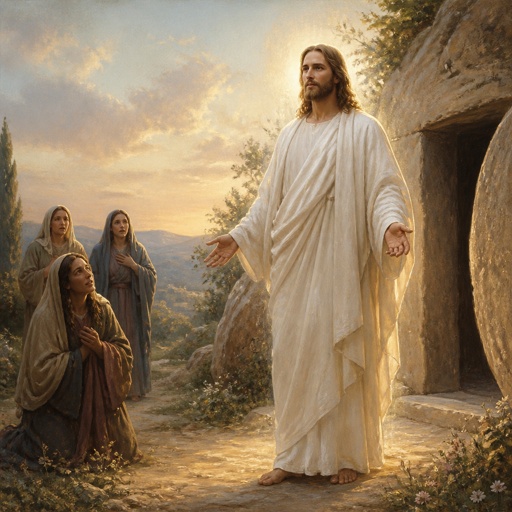
"Him God raised up the third day, and shewed him openly;" - Acts 10:40
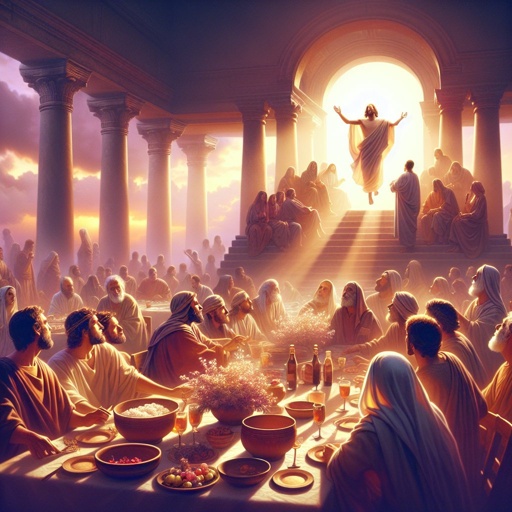
Acts 10:40-41 - "God raised him from the dead on the third day and caused him to be seen. He was not seen by all the people, but by witnesses whom God had already chosen—by us who ate and drank with him after he rose from the dead."

Ezekiel 40:39 - "¶ And in the porch of the gate were two tables on this side, and two tables on that side, to slay thereon the burnt offering and the sin offering and the trespass offering."
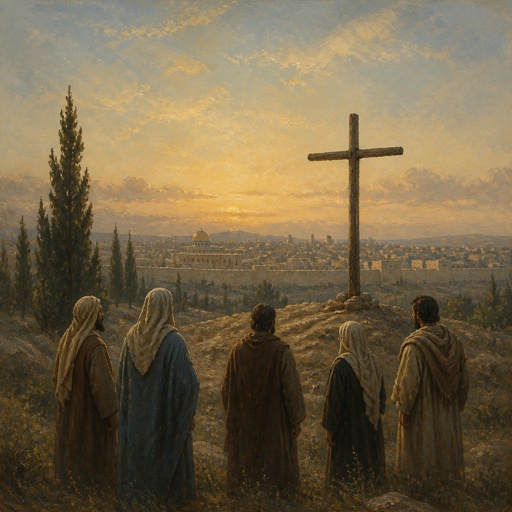
"And we are witnesses of all things which he did both in the land of the Jews, and in Jerusalem; whom they slew and hanged on a tree:" - Acts 10:39

Exodus 39:40 - "The hangings of the court, his pillars, and his sockets, and the hanging for the court gate, his cords, and his pins, and all the vessels of the service of the tabernacle, for the tent of the congregation,"

Isaiah 40:10

Isaiah 40:10

Isaiah 40:10

Acts 13:40 - "Beware therefore, lest that come upon you, which is spoken of in the prophets;"

Ezra 10:39 - "And Shelemiah, and Nathan, and Adaiah,"

Acts 15:40 - "And Paul chose Silas, and departed, being recommended by the brethren unto the grace of God."

Acts 16:39 - "And they came and besought them, and brought them out, and desired them to depart out of the city."

Acts 19:39 - "But if ye enquire any thing concerning other matters, it shall be determined in a lawful assembly."

Ezra 10:40 - "Machnadebai, Shashai, Sharai,"

Acts 5:39 - "But if it be of God, ye cannot overthrow it; lest haply ye be found even to fight against God."

Hebrews 11:39-40 - "And all these, having obtained a good testimony through faith, did not receive the promise, God having provided something better for us, that they should not be made perfect apart from us."

Acts 7:39 - "To whom our fathers would not obey, but thrust him from them, and in their hearts turned back again into Egypt,"

Acts 16:40 - "And they went out of the prison, and entered into the house of Lydia: and when they had seen the brethren, they comforted them, and departed."

Acts 13:39 - "And by him all that believe are justified from all things, from which ye could not be justified by the law of Moses."

Acts 8:40 - "But Philip was found at Azotus: and passing through he preached in all the cities, till he came to Caesarea."

Acts 2:40 - "And with many other words did he testify and exhort, saying, Save yourselves from this untoward generation."

Psalm 37:39-40 - "But the salvation of the righteous is from the Lord; He is their strength in time of trouble. And the Lord helps them and delivers them; He delivers them from the wicked and saves them, because they take refuge in Him."

Acts 27:39 - "And when it was day, they knew not the land: but they discovered a certain creek with a shore, into the which they were minded, if it were possible, to thrust in the ship."

Acts 2:39 - "For the promise is unto you, and to your children, and to all that are afar off, even as many as the Lord our God shall call."

"And Shelemiah, and Nathan, and Adaiah," - Ezra 10:39