What does Acts 14:9 mean?
“The same heard Paul speak: who stedfastly beholding him, and perceiving that he had faith to be healed,” — Acts 14:9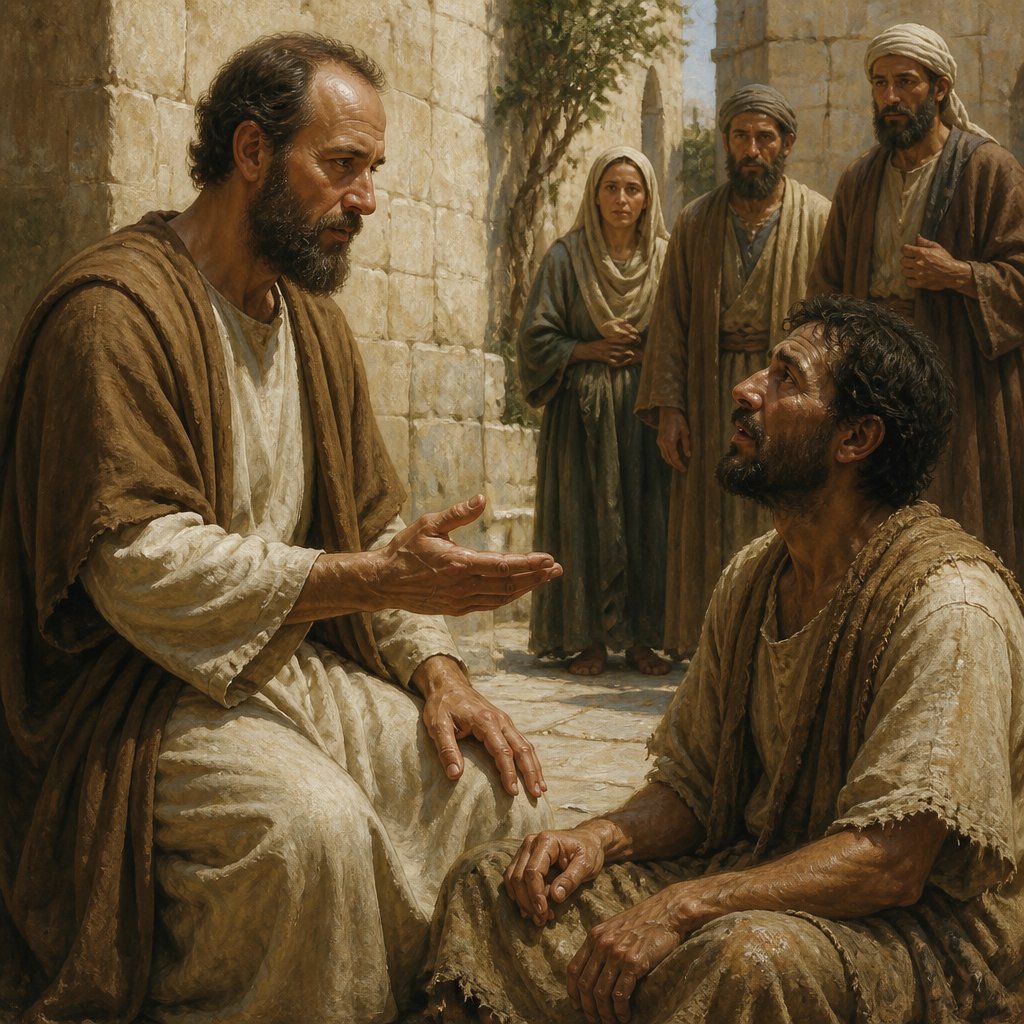
The Bible verse Acts 14:9 in the King James Version reads, "The same heard Paul speak: who stedfastly beholding him, and perceiving that he had faith to be healed." This verse is a part of the New Testament, specifically the Book of Acts, which documents the early years of the Christian church and the spread of the gospel through the ministry of the apostles.
In Acts 14, Paul and Barnabas are in the city of Lystra, where they are preaching the message of the gospel. During one of their sermons, Paul observes a man who had been crippled from birth, listening to his words. The man had never walked, and he had to be carried everywhere he went. However, as Paul is preaching, he looks intently at the man and perceives that he has faith to be healed. This observation leads to an incredible miracle, as Paul commands the man to stand up on his feet, and the man jumps up and walks.
The themes present in this verse include the power of faith, the authority of the apostles, and the divine healing that comes from God. It also emphasizes the importance of observation and discernment in recognizing the needs of others and responding to them in a way that brings about miraculous change.
One of the key themes in this verse is the power of faith. Paul is able to perceive that the man has faith to be healed, and this faith is what ultimately leads to the man's miraculous healing. Throughout the gospels and the Book of Acts, faith is presented as a crucial element in experiencing the power and grace of God. It is through faith that people are healed, delivered, and restored, and this verse exemplifies the transformative power of faith in action.
Another important theme in this verse is the authority of the apostles. As one of the chosen messengers of Jesus Christ, Paul possessed a unique anointing and authority to perform miracles and signs that authenticated the truth of the gospel message. In this instance, Paul's ability to heal the crippled man was a demonstration of the authority given to him by Christ. This authority was a visible testimony to the reality of God's kingdom breaking into the present world and a confirmation of the validity of the apostles' ministry.
Furthermore, the verse illustrates the divine healing that comes from God. The healing of the crippled man was not a result of Paul's power or ability, but rather a manifestation of God's grace and compassion. It underscores the truth that God is a God of healing and restoration, and that He is able to work supernaturally in the lives of His people. This theme echoes throughout the Bible, as God is portrayed as a healer, a redeemer, and a restorer of all that is broken and lost.
The context of this verse is significant, as it occurs during a time when the early church was still establishing its identity and authority. The miraculous signs and wonders performed by the apostles served as a validation of their message and a confirmation of the power of God at work in and through them. The healing of the crippled man in Lystra was a testimony to the reality of the gospel and a demonstration of the transformative power of God's kingdom.
Symbolism is also present in this verse, as it represents the overarching theme of God's desire to bring wholeness and restoration to His people. The crippled man serves as a symbol of all who are spiritually and physically broken, in need of healing and deliverance. Paul's discernment of the man's faith and his subsequent healing serves as a symbol of God's ability to see into the hearts of people and respond to their needs with love and compassion.
In conclusion, Acts 14:9 in the King James Version presents a powerful and transformative moment in the early years of the Christian church. It highlights the themes of faith, authority, and divine healing, and it serves as a reflection of God's desire to bring wholeness and restoration to His people. This verse reminds believers of the transformative power of faith and the miraculous works that God is able to perform through those who are willing to be vessels of His grace.
Get our apps


Artwork for Acts 14:9

Acts 14:9 - "The same heard Paul speak: who stedfastly beholding him, and perceiving that he had faith to be healed,"
"The same heard Paul speak: who stedfastly beholding him, and perceiving that he had faith to be healed," - Acts 14:9

Acts 9:14 - "And here he hath authority from the chief priests to bind all that call on thy name."
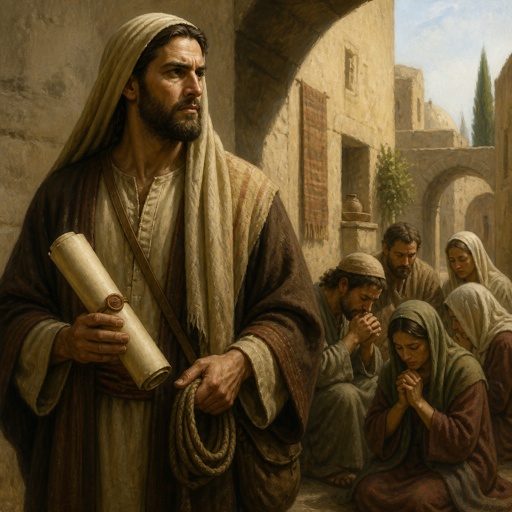
"And here he hath authority from the chief priests to bind all that call on thy name." - Acts 9:14

Acts 14:17

Acts 14:7 - "And there they preached the gospel."

Acts 14:28 - "And there they abode long time with the disciples."

Acts 9:9 - "And he was three days without sight, and neither did eat nor drink."

Acts 14:14 - "Which when the apostles, Barnabas and Paul, heard of, they rent their clothes, and ran in among the people, crying out,"

Acts 9:1-20

Acts 9:1-20

"And there they preached the gospel." - Acts 14:7

Acts 14:24 - "And after they had passed throughout Pisidia, they came to Pamphylia."

Acts 9:28 - "And he was with them coming in and going out at Jerusalem."

Depict the events of Acts 19:14-17

Acts 14:25 - "And when they had preached the word in Perga, they went down into Attalia:"

Acts 27:14 - "But not long after there arose against it a tempestuous wind, called Euroclydon."

Acts 14:4 - "But the multitude of the city was divided: and part held with the Jews, and part with the apostles."

Acts 3:9 - "And all the people saw him walking and praising God:"

Acts 24:9 - "And the Jews also assented, saying that these things were so."

Acts 9:42 - "And it was known throughout all Joppa; and many believed in the Lord."

Acts 14:16 - "Who in times past suffered all nations to walk in their own ways."

Acts 14:18 - "And with these sayings scarce restrained they the people, that they had not done sacrifice unto them."

Acts 5:14 - "And believers were the more added to the Lord, multitudes both of men and women.)"

2 Kings 14:18 - "And the rest of the acts of Amaziah, are they not written in the book of the chronicles of the kings of Judah?"

Acts 14:12 - "And they called Barnabas, Jupiter; and Paul, Mercurius, because he was the chief speaker."

Acts 21:14 - "And when he would not be persuaded, we ceased, saying, The will of the Lord be done."

Acts 9:35 - "And all that dwelt at Lydda and Saron saw him, and turned to the Lord."

Acts 15:9 - "And put no difference between us and them, purifying their hearts by faith."

Acts 9:20 - "And straightway he preached Christ in the synagogues, that he is the Son of God."