What does Acts 16:19 mean?
“And when her masters saw that the hope of their gains was gone, they caught Paul and Silas, and drew them into the marketplace unto the rulers,” — Acts 16:19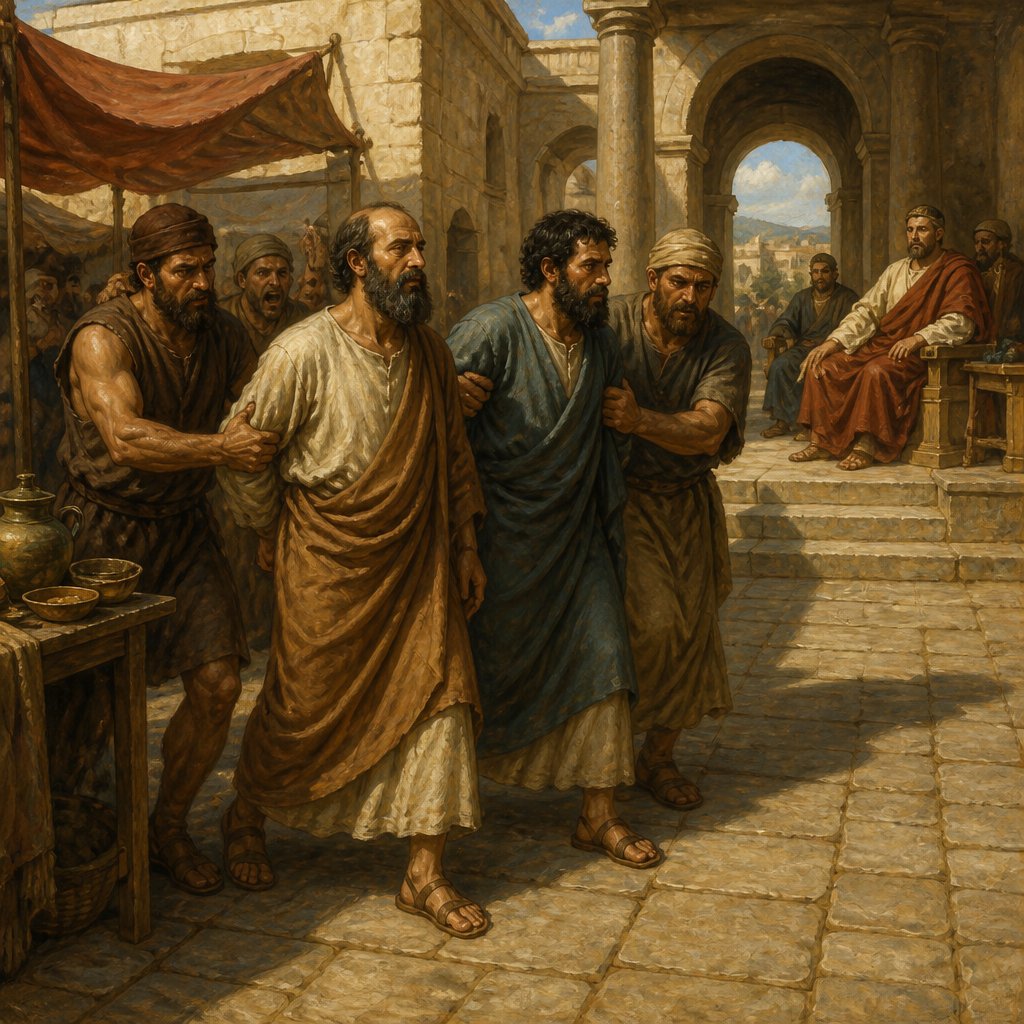
The Bible verse Acts 16:19 from the King James Version (KJV) reads: "And when her masters saw that the hope of their gains was gone, they caught Paul and Silas, and drew them into the marketplace unto the rulers," This verse comes from the Book of Acts, which is the fifth book of the New Testament and follows the Gospels in the Bible. It focuses on the early development of the Christian church and the spread of the gospel throughout the world.
The context of this verse is the story of Paul and Silas in the city of Philippi. They had encountered a slave girl who was possessed by a spirit of divination, and Paul had cast out the spirit, freeing the girl from its influence. However, her owners were profiting greatly from her ability to tell fortunes, and when they realized that this source of income was now gone, they were filled with rage and sought to take vengeance on Paul and Silas.
This verse illustrates the persecution that early Christians often faced as they spread the message of the gospel. The masters of the slave girl were motivated by their financial loss rather than any concern for the welfare of the girl or the truth of the gospel. This reflects the human tendency to prioritize material gain and power over spiritual matters, even to the extent of opposing the work of God.
From this verse, we can draw several themes and lessons. One prominent theme is the opposition and persecution that followers of Christ may face when they stand up for truth and righteousness. In this case, Paul and Silas found themselves in the wrong place at the wrong time in the eyes of those who were profiting from the slave girl's abilities. Their boldness in confronting the evil spirit within her disrupted the status quo and led to their unjust arrest and mistreatment.
Another theme is the corrupting influence of greed and exploitation. The slave girl's owners were more concerned about their financial losses than the well-being of the girl. This reflects the pervasive nature of selfishness and exploitation in the world, which can lead people to disregard the value of others and seek their own gain at any cost.
Symbolically, this verse can be seen as a representation of the spiritual battle between good and evil. The slave girl's possession by a spirit of divination represents the forces of darkness that seek to deceive and control humanity. By freeing her from this influence, Paul and Silas demonstrated the power of God to overcome evil and bring freedom to those who are oppressed. The owners' retaliation against them represents the resistance and hostility that often arise in response to the message of the gospel.
In a broader sense, this verse serves as a reminder that the Christian life is not always easy or comfortable. Standing up for truth and righteousness may lead to opposition and persecution, but ultimately, God's power is greater than any earthly force. The story of Paul and Silas in Philippi is a testament to the faithfulness and strength of those who are willing to endure suffering for the sake of Christ.
In conclusion, Acts 16:19 from the KJV presents a powerful and thought-provoking account of the persecution faced by the early followers of Christ. It highlights themes of opposition, greed, and spiritual warfare, as well as the ultimate victory of God's truth and righteousness. This verse reminds us of the challenges and trials that may accompany our commitment to Christ, but it also encourages us to trust in God's power and faithfulness.
Get our apps


Artwork for Acts 16:19

Acts 16:19 - "¶ And when her masters saw that the hope of their gains was gone, they caught Paul and Silas, and drew them into the marketplace unto the rulers,"
"¶ And when her masters saw that the hope of their gains was gone, they caught Paul and Silas, and drew them into the marketplace unto the rulers," - Acts 16:19

2 Kings 16:19 - "¶ Now the rest of the acts of Ahaz which he did, are they not written in the book of the chronicles of the kings of Judah?"

Acts 19:16 - "And the man in whom the evil spirit was leaped on them, and overcame them, and prevailed against them, so that they fled out of that house naked and wounded."

"¶ Now the rest of the acts of Ahaz which he did, are they not written in the book of the chronicles of the kings of Judah?" - 2 Kings 16:19

Acts 3:16

Acts 3:16

Acts 3:16

Acts 3:16

Acts 19: 11

Acts 19:11

Acts 16 v18

Acts 16 v26

Acts 16:17

Acts 19:22 - "So he sent into Macedonia two of them that ministered unto him, Timotheus and Erastus; but he himself stayed in Asia for a season."

Acts 2:16 - "But this is that which was spoken by the prophet Joel;"

Acts 19:7 - "And all the men were about twelve."
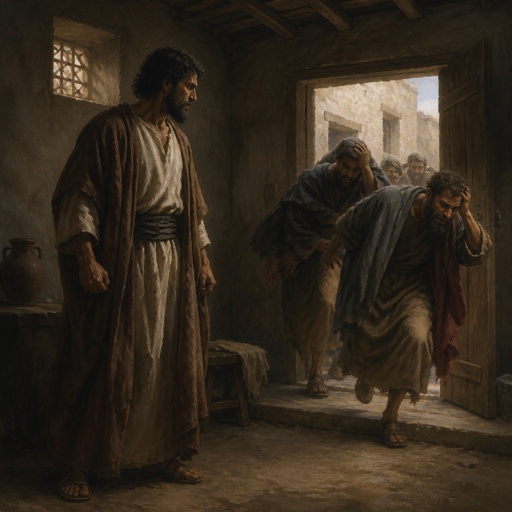
"And the man in whom the evil spirit was leaped on them, and overcame them, and prevailed against them, so that they fled out of that house naked and wounded." - Acts 19:16

Acts 19:11 - "And God wrought special miracles by the hands of Paul:"

Acts 16:8 - "And they passing by Mysia came down to Troas."

Acts 19:20 - "So mightily grew the word of God and prevailed."

Acts 19:18 - "And many that believed came, and confessed, and shewed their deeds."

Acts 19:23 - "And the same time there arose no small stir about that way."

Acts 19:5 - "When they heard this, they were baptized in the name of the Lord Jesus."

Genesis 19-16

Acts 18:16 - "And he drave them from the judgment seat."

Depict the events of Acts 19:14-17

Acts 19:41 - "And when he had thus spoken, he dismissed the assembly."

Acts 10:16 - "This was done thrice: and the vessel was received up again into heaven."

Acts 16:2 - "Which was well reported of by the brethren that were at Lystra and Iconium."