What does Acts 16:35 mean?
“And when it was day, the magistrates sent the serjeants, saying, Let those men go.” — Acts 16:35
In order to fully understand the meaning and significance of Acts 16:35, it is important to take into account the context in which the verse appears and the themes that run throughout the Book of Acts.
Acts 16:35 from the King James Version (KJV) reads, "And when it was day, the magistrates sent the serjeants, saying, Let those men go." This verse is situated within the larger narrative of the Apostle Paul's missionary journey in Philippi. Paul and Silas had been imprisoned after casting out a spirit of divination from a slave girl, which caused her owners to become angry and accuse them of disturbing the city. While in prison, an earthquake shook the foundations of the prison and opened the doors, allowing the prisoners to escape. However, Paul and Silas did not flee, and instead, they witnessed to the jailer, who became a believer along with his household. The magistrates sent word to release Paul and Silas, which brings us to Acts 16:35.
One of the key themes in the Book of Acts is the spread of the gospel and the growth of the early church. Throughout the book, we see the disciples and apostles facing various challenges, opposition, and persecution as they preach the message of Jesus Christ. Acts 16:35 is a moment of triumph for Paul and Silas. Despite being unjustly imprisoned, they remained faithful to their mission and to God, and as a result, they were vindicated and released from prison.
The verse also highlights the theme of justice. The magistrates, who had ordered the imprisonment of Paul and Silas, now recognize their innocence and send orders for them to be released. This shows that God's justice will prevail, even in the face of opposition and persecution. It also serves as a reminder that God is in control and will ultimately work all things for the good of those who love him.
Furthermore, Acts 16:35 illustrates the theme of divine intervention. The earthquake that opened the prison doors was a miraculous event that allowed Paul and Silas to witness to the jailer and lead him to faith. This remarkable event serves as a reminder of God's power and sovereignty. It also demonstrates that nothing can hinder God's purposes, and that he can use even the most dire circumstances for his glory.
In terms of symbolism, the release of Paul and Silas from prison can be seen as a metaphor for the liberation that comes through faith in Christ. Just as they were physically set free from their chains, believers are spiritually set free from the bondage of sin and death through the redemptive work of Jesus Christ. This parallels the message of freedom and redemption that is central to the Christian faith.
In conclusion, Acts 16:35 is a powerful and significant verse that encapsulates several important themes in the Book of Acts. It serves as a reminder of God's justice, divine intervention, and the ultimate triumph of the gospel. It also carries a message of hope and liberation for all who believe in Jesus Christ. As we reflect on this verse, may we be encouraged by the example of Paul and Silas, and may we be reminded of the unshakable faithfulness of God.
Get our apps


Artwork for Acts 16:35

Acts 16:35 - "And when it was day, the magistrates sent the serjeants, saying, Let those men go."

"And when it was day, the magistrates sent the serjeants, saying, Let those men go." - Acts 16:35

Acts 2:35 - "Until I make thy foes thy footstool."

Genesis 35:16-20

Genesis 29:16-35

Acts 9:35 - "And all that dwelt at Lydda and Saron saw him, and turned to the Lord."

Acts 10:35 - "But in every nation he that feareth him, and worketh righteousness, is accepted with him."

Acts 8:35 - "Then Philip opened his mouth, and began at the same scripture, and preached unto him Jesus."

Acts 21:35 - "And when he came upon the stairs, so it was, that he was borne of the soldiers for the violence of the people."

Psalms 35:16 - "With hypocritical mockers in feasts, they gnashed upon me with their teeth."

Ezekiel 16:35 - "¶ Wherefore, O harlot, hear the word of the LORD:"

Acts 3:16

Acts 3:16

Acts 15:35 - "Paul also and Barnabas continued in Antioch, teaching and preaching the word of the Lord, with many others also."

2 Chronicles 35:26 - "Now the rest of the acts of Josiah, and his goodness, according to that which was written in the law of the LORD,"

Acts 3:16

Acts 3:16

Acts 13:35 - "Wherefore he saith also in another psalm, Thou shalt not suffer thine Holy One to see corruption."

Acts 4:35 - "And laid them down at the apostles' feet: and distribution was made unto every man according as he had need."

Acts 16 v18

Acts 5:35 - "And said unto them, Ye men of Israel, take heed to yourselves what ye intend to do as touching these men."

Acts 16 v26

"Until I make thy foes thy footstool." - Acts 2:35

Acts 16:17

Job 35:16 - "Therefore doth Job open his mouth in vain; he multiplieth words without knowledge."

Numbers 16:35 - "And there came out a fire from the LORD, and consumed the two hundred and fifty men that offered incense."

Acts 23:35 - "I will hear thee, said he, when thine accusers are also come. And he commanded him to be kept in Herod's judgment hall."
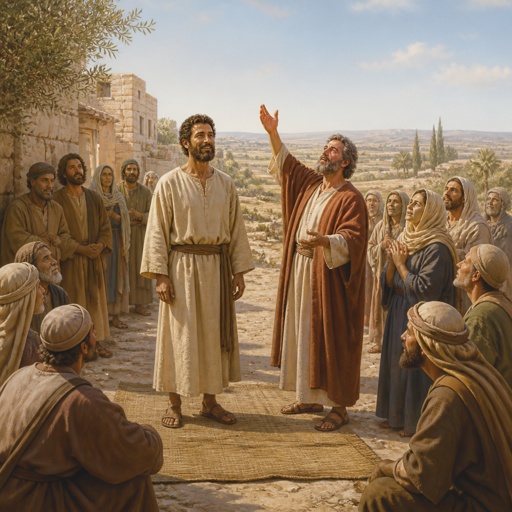
"And all that dwelt at Lydda and Saron saw him, and turned to the Lord." - Acts 9:35

Acts 2:16 - "But this is that which was spoken by the prophet Joel;"

"¶ Wherefore, O harlot, hear the word of the LORD:" - Ezekiel 16:35