What does Acts 17:25 mean?
“Neither is worshipped with men’s hands, as though he needed any thing, seeing he giveth to all life, and breath, and all things;” — Acts 17:25
In Acts 17:25 of the King James Version of the Bible, it says, "Neither is worshipped with men's hands, as though he needed any thing, seeing he giveth to all life, and breath, and all things."
This verse is part of a larger passage that describes the Apostle Paul's speech to the Athenians on Mars Hill. In this speech, Paul engages with the Athenians on their own terms, using their culture and beliefs to communicate the message of the Gospel. The verse in question is key to understanding the nature of God and His relationship with humanity.
The verse starts by stating that God is not worshipped with men's hands, meaning that God is not a creation of human beings nor does He rely on human efforts for anything. This speaks to the transcendence and sovereignty of God. It emphasizes that He is not confined to man-made structures or rituals, but rather exists independently of them.
The verse continues by stating that God does not need anything from humanity. This reaffirms the concept of God's self-sufficiency and omnipotence. It distances Him from the idea of being a deity that requires offerings or sacrifices in order to be appeased. Instead, it highlights the fact that God is the ultimate giver and sustainer of life.
The latter part of the verse affirms that God is the source of all things, including life and breath. This echoes the concept of God as the creator and sustainer of the world. It reminds us that everything we have comes from God and that we are utterly dependent on Him for our existence. It also points to the idea of stewardship, as we are called to recognize God's provision and care for all of creation.
Overall, Acts 17:25 conveys the profound truth of God's supremacy, independence, and benevolence. It challenges the Athenians, and us, to reconsider their preconceived notions of deity and engage with the reality of the one true God.
In terms of context, this verse is part of Paul's speech to the Athenians, a group of people well-versed in philosophy and various religious beliefs. By using their own religious practices and beliefs as a starting point, Paul seeks to bridge the gap between their understanding and the truth of the Gospel. This verse is integral to his argument as it sets the stage for the revelation of the true nature of God.
Symbolically, this verse serves as a reminder of the difference between the one true God and the idols that the Athenians worshipped. It presents God as the source of all life and all good things, in contrast to the man-made idols that could offer nothing. The verse also highlights the relational aspect of God's provision, as He is the one who gives and sustains life. This challenges the Athenians to reconsider their understanding of divinity and recognize the true God who is worthy of worship.
One of the key themes in this verse is the sovereignty and providence of God. It emphasizes His supremacy and independence, highlighting the fact that He is not reliant on human beings or their offerings. Instead, He is the giver of all good things and the sustainer of life. This serves as a powerful reminder of God's role as the creator and provider for all of creation.
In conclusion, Acts 17:25 is a powerful and thought-provoking verse that challenges the Athenians to reconsider their understanding of deity and points them towards the one true God. It emphasizes the transcendence and sovereignty of God, while also highlighting His benevolence and provision for all of creation. This verse serves as a reminder of the true nature of God and His relationship with humanity, and its message continues to resonate with believers today.
Get our apps


Artwork for Acts 17:25
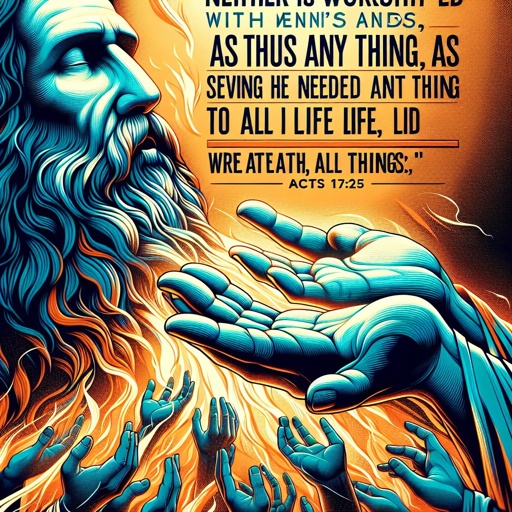
Acts 17:25 - "Neither is worshipped with men's hands, as though he needed any thing, seeing he giveth to all life, and breath, and all things;"

"Neither is worshipped with men's hands, as though he needed any thing, seeing he giveth to all life, and breath, and all things;" - Acts 17:25

Acts 25:17 - "Therefore, when they were come hither, without any delay on the morrow I sat on the judgment seat, and commanded the man to be brought forth."

Acts 17:24-25 - "The God who made the world and everything in it is the Lord of heaven and earth and does not live in temples built by human hands. And he is not served by human hands, as if he needed anything. Rather, he himself gives everyone life and breath and everything else."

Acts 2:17

Acts 2:17

Acts 2:17

Acts 16:17

Acts 14:17

Acts 17:15

Acts 23:25 - "And he wrote a letter after this manner:"

Acts 11:25 - "Then departed Barnabas to Tarsus, for to seek Saul:"

Acts 17:27
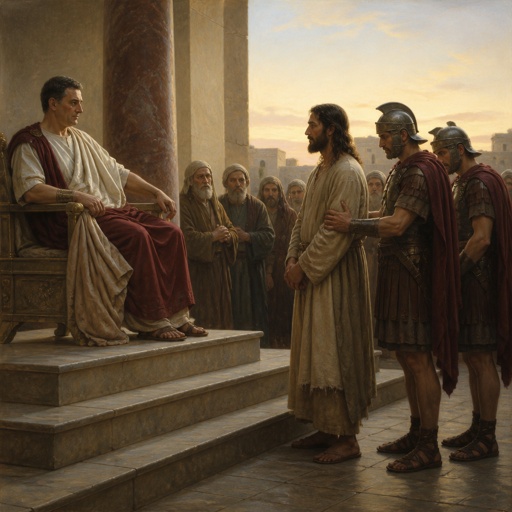
"Therefore, when they were come hither, without any delay on the morrow I sat on the judgment seat, and commanded the man to be brought forth." - Acts 25:17

Genesis 25-17

Genesis 17-25

Acts 17:17 - "Therefore disputed he in the synagogue with the Jews, and with the devout persons, and in the market daily with them that met with him."

Acts 14:25 - "And when they had preached the word in Perga, they went down into Attalia:"

Acts 25:25 - "But when I found that he had committed nothing worthy of death, and that he himself hath appealed to Augustus, I have determined to send him."

Joshua 6:17-25

Numbers 25:17 - "Vex the Midianites, and smite them:"

Acts 9:25 - "Then the disciples took him by night, and let him down by the wall in a basket."

Acts 17:33 - "So Paul departed from among them."

Acts 25:2 - "Then the high priest and the chief of the Jews informed him against Paul, and besought him,"

Acts 8:17 - "Then laid they their hands on them, and they received the Holy Ghost."

Acts 17:8 - "And they troubled the people and the rulers of the city, when they heard these things."

Acts 1:17 - "For he was numbered with us, and had obtained part of this ministry."

Acts 16:25 - "¶ And at midnight Paul and Silas prayed, and sang praises unto God: and the prisoners heard them."

Acts 25:27 - "For it seemeth to me unreasonable to send a prisoner, and not withal to signify the crimes laid against him."

Acts 10:25 - "And as Peter was coming in, Cornelius met him, and fell down at his feet, and worshipped him."