What does Acts 17:8 mean?
“And they troubled the people and the rulers of the city, when they heard these things.” — Acts 17:8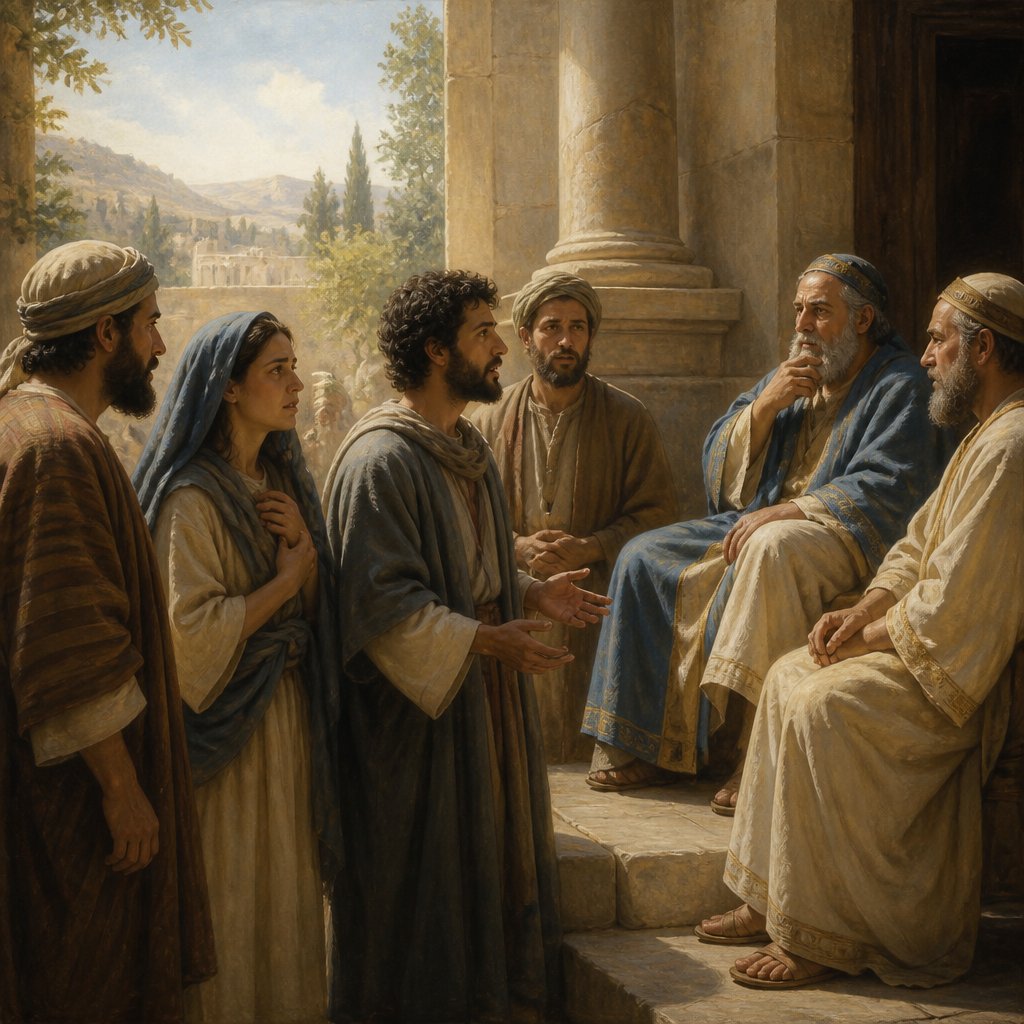
The Bible verse Acts 17:8 in the King James Version (KJV) states, "And they troubled the people and the rulers of the city, when they heard these things." This verse is part of the Book of Acts, which is the fifth book of the New Testament and is traditionally attributed to Luke, the author of the Gospel of Luke. The Book of Acts mainly focuses on the early days of the Christian church, the activities of the apostles, and the spread of Christianity throughout the Roman Empire.
To truly understand the meaning and significance of Acts 17:8, it's important to look at the context in which this verse appears. In Acts 17, the apostle Paul and his companion Silas have been traveling and preaching the gospel in various cities. They come to Thessalonica, and as was their custom, they went to the synagogue to reason with the Jews and proclaim Jesus as the Christ. Some of the Jews were persuaded and joined Paul and Silas, along with a great multitude of devout Greeks and not a few leading women. This caused jealousy among the Jews who did not believe, and they gathered a mob and set the city in an uproar, attacking the house of Jason, where Paul and Silas were staying. Unable to find them, they dragged Jason and some of the brethren before the rulers of the city, accusing them of turning the world upside down and disobeying the decrees of Caesar, saying that there is another king, Jesus. This is the situation referred to in Acts 17:8, where it says that the people and rulers of the city were troubled when they heard these things.
The verse speaks to the impact and influence of the message preached by Paul and Silas. It shows that their message was so powerful and significant that it caused disruption and trouble among the people and the rulers. This disruption and trouble were not merely because of a disturbance, but rather because it challenged the established beliefs and systems of that time, including the religious and political authorities.
One of the themes present in this verse is the clash between the kingdom of God and the kingdoms of this world. It highlights the tension and conflict that arose when the message of Christ's kingship and the establishment of His kingdom confronted the worldly systems and authorities that held power. The preaching of the gospel brought about a disruption that shook the foundations of the status quo and caused disruption and trouble among the people and the rulers.
The verse also illustrates the opposition and persecution that the early Christians faced as a result of their faith and proclamation of the gospel. The mention of the people and rulers being troubled reflects the resistance and hostility that arose in response to the message of Jesus Christ. This pattern of opposition and persecution is a recurring theme throughout the Book of Acts and the New Testament, demonstrating the cost and challenges of following Christ and spreading His message in a world that is often hostile to the truth.
Additionally, the verse has symbolic significance in highlighting the transformative and disruptive power of the gospel. The troubled reaction of the people and rulers signifies the impact of the message of Christ, which has the potential to shake and unsettle the foundations of the world. It reflects the subversive nature of the gospel that challenges the norms and structures of society, calling people to repentance and faith in Jesus Christ as Lord and King.
In conclusion, Acts 17:8 in the King James Version conveys a powerful message about the impact and influence of the gospel and the opposition and persecution that often accompany it. It speaks to the clash between the kingdom of God and the kingdoms of this world, the transformative power of the gospel, and the challenges faced by those who proclaim the message of Christ. This verse serves as a reminder of the disruptive and subversive nature of the gospel and the call for believers to stand firm in the face of opposition and to continue boldly proclaiming the truth of Jesus Christ.
Get our apps


Artwork for Acts 17:8

Acts 17:8 - "And they troubled the people and the rulers of the city, when they heard these things."
"And they troubled the people and the rulers of the city, when they heard these things." - Acts 17:8

Acts 8:17 - "Then laid they their hands on them, and they received the Holy Ghost."
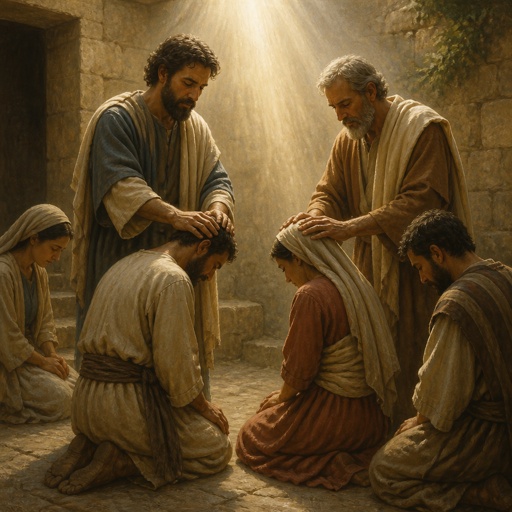
"Then laid they their hands on them, and they received the Holy Ghost." - Acts 8:17

Acts 2:17

Acts 2:17

Acts 2:17

Acts 8:8 - "And there was great joy in that city."

Acts 16:17

Acts 14:17

Acts 17:15

Acts 17:27

Acts 17:17 - "Therefore disputed he in the synagogue with the Jews, and with the devout persons, and in the market daily with them that met with him."

"And there was great joy in that city." - Acts 8:8

Acts 1:8

Acts 8:33

Acts 17:33 - "So Paul departed from among them."

Acts 1:17 - "For he was numbered with us, and had obtained part of this ministry."

Acts 4:8-12

create an image to show Acts 2:17

Depict the events of Acts 19:14-17

Acts 20:17 - "¶ And from Miletus he sent to Ephesus, and called the elders of the church."

Acts 17:9 - "And when they had taken security of Jason, and of the other, they let them go."

Acts 16:8 - "And they passing by Mysia came down to Troas."

Acts 21:17 - "And when we were come to Jerusalem, the brethren received us gladly."

ACTS 8:30 Philip and the Ethiopian

Genesis 17:8

Acts 24:17 - "Now after many years I came to bring alms to my nation, and offerings."

Luke 8:17

Acts 8:28 - "Was returning, and sitting in his chariot read Esaias the prophet."