What does Acts 19:28 mean?
“And when they heard these sayings, they were full of wrath, and cried out, saying, Great is Diana of the Ephesians.” — Acts 19:28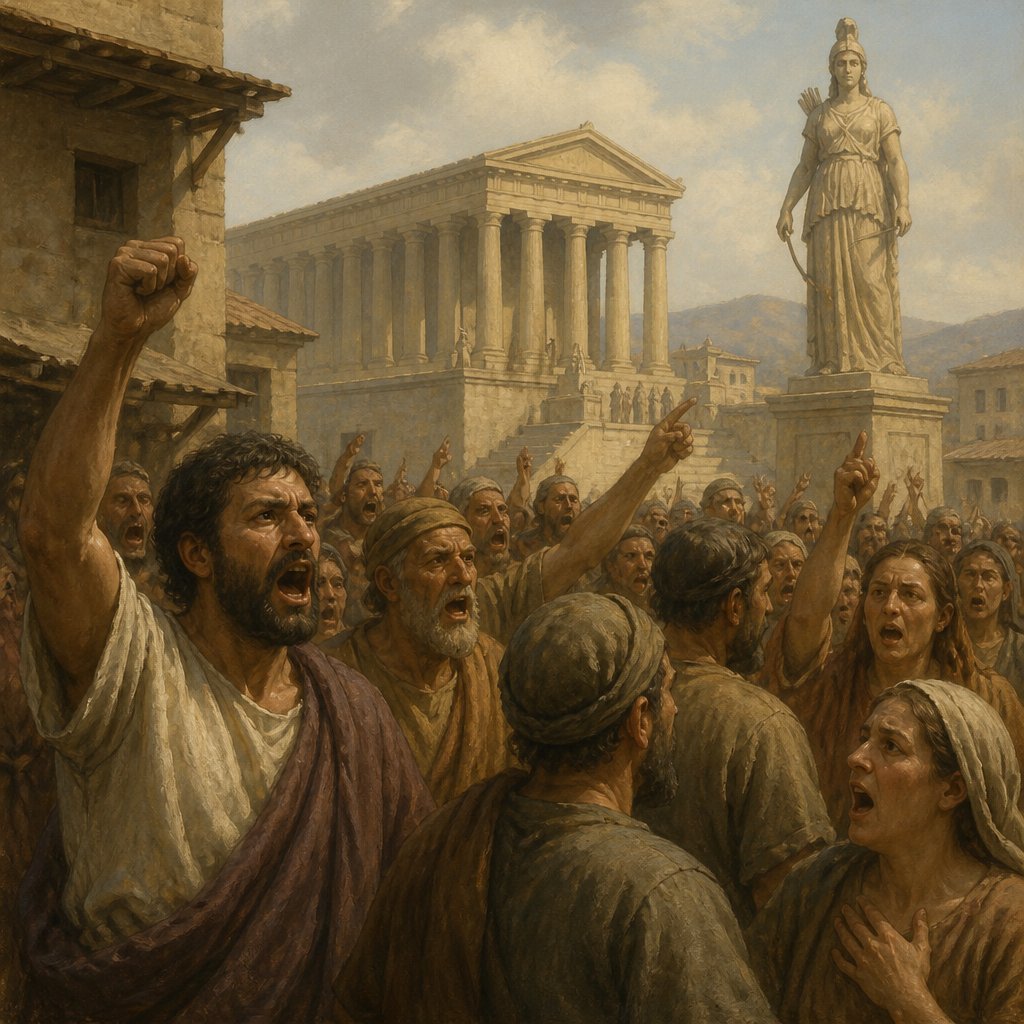
Acts 19:28 in the King James Version of the Bible reads, "And when they heard these sayings, they were full of wrath, and cried out, saying, Great is Diana of the Ephesians!" This verse is part of a larger passage in the book of Acts that recounts Paul's ministry in Ephesus and the opposition he faced from those who worshiped the goddess Diana, also known as Artemis.
The city of Ephesus was known for its temple dedicated to Diana, one of the Seven Wonders of the Ancient World. This temple was a center of worship and commerce, bringing in pilgrims from all over the Roman Empire. The worship of Diana was deeply ingrained in the culture of Ephesus, and her devotees were fiercely dedicated to her.
In this passage, the silversmith Demetrius riles up a crowd of fellow craftsmen who made their living by creating silver shrines of Diana. He stirs up their anger by claiming that Paul's preaching against the worship of idols is threatening their livelihood and the reputation of their goddess. The crowd becomes enraged and cries out, "Great is Diana of the Ephesians!"
The verse captures the intense emotions of the crowd as they react to the threat they perceive to their religious beliefs and economic well-being. Their immediate response is one of anger and fervent dedication to their goddess. This passage serves as a stark example of the power of religious devotion and the lengths to which people will go to protect their faith and traditions.
One of the key themes in this verse is the conflict between the apostle Paul's message of the gospel and the deeply entrenched pagan beliefs of the Ephesians. Paul's teachings posed a direct challenge to the worship of idols and the religious practices that were central to the culture and economy of Ephesus. The verse also highlights the clash between the spiritual authority of Christianity and the economic power of idolatry, as represented by the silversmiths who made a living from the worship of Diana.
The verse also point to the power of mob mentality and the way in which a shared cause or belief can incite a fervent and emotional response from a group of people. The crowd's reaction is immediate and unified, reflecting their shared devotion to Diana and their willingness to defend her honor in the face of perceived threats.
Symbolically, the verse speaks to the enduring human tendency to elevate and defend objects of worship, whether they be physical idols or abstract concepts. It also serves as a cautionary tale about the potential for religious fervor to incite conflict and irrational behavior.
In a broader context, this passage is a reminder of the opposition and persecution that early Christians faced as they sought to spread the message of the gospel in a world dominated by pagan beliefs. The verse also underscores the transformative power of the gospel, as evidenced by the way in which Paul's teachings threatened the established order in Ephesus and ultimately led to the spread of Christianity throughout the region.
In conclusion, Acts 19:28 offers a powerful and vivid glimpse into the clash between Christianity and pagan worship in the ancient world. It reveals the intensity of religious devotion and the potential for conflict that arises when deeply held beliefs are challenged. At the same time, it serves as a testament to the transformative power of the gospel and the way in which it has challenged and ultimately triumphed over the forces of idolatry and opposition.
Get our apps


Artwork for Acts 19:28

Acts 19:28 - "And when they heard these sayings, they were full of wrath, and cried out, saying, Great is Diana of the Ephesians."
"And when they heard these sayings, they were full of wrath, and cried out, saying, Great is Diana of the Ephesians." - Acts 19:28

Acts 28:19 - "But when the Jews spake against it, I was constrained to appeal unto Caesar; not that I had ought to accuse my nation of."

Acts 28:12

Acts 28:28 - "Be it known therefore unto you, that the salvation of God is sent unto the Gentiles, and that they will hear it."
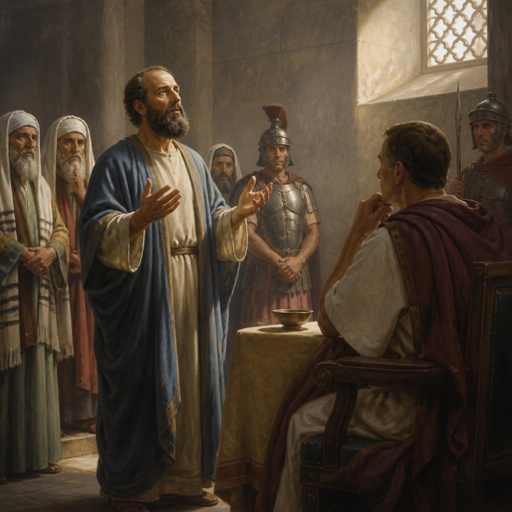
"But when the Jews spake against it, I was constrained to appeal unto Caesar; not that I had ought to accuse my nation of." - Acts 28:19

Ezekiel 28:11-19

Ezekiel 28:11-19

Acts 14:28 - "And there they abode long time with the disciples."

Ezekiel 28:11-19

Ezekiel 28:11-19

Ezekiel 28:11-19

Ezekiel 28:11-19

matthew 28:19

Genesis 28-19

matthew 28:19

Genesis 19-28

Luke 19:28

Acts 28:12 - "And landing at Syracuse, we tarried there three days."

Acts 9:28 - "And he was with them coming in and going out at Jerusalem."

Acts 19: 11

Acts 19:11

Acts 28:1 - "And when they were escaped, then they knew that the island was called Melita."

Matthew 28:19-20

Acts 28:5 - "And he shook off the beast into the fire, and felt no harm."

Acts 8:28 - "Was returning, and sitting in his chariot read Esaias the prophet."

Matthew 28: 19-20

Matthew 28:19-20

Matthew 28:19-20

Acts 28:24 - "And some believed the things which were spoken, and some believed not."