What does Acts 21:14 mean?
“And when he would not be persuaded, we ceased, saying, The will of the Lord be done.” — Acts 21:14
The Bible verse Acts 21:14 in the King James Version (KJV) reads, "And when he would not be persuaded, we ceased, saying, The will of the Lord be done." This verse comes from the New Testament book of Acts, specifically from a passage where the apostle Paul is determined to go to Jerusalem, despite the warnings of his friends about the danger that awaited him there.
To understand the deeper meaning and commentary of this verse, it is important to consider the context in which it is situated. At this point in the book of Acts, Paul is on his way to Jerusalem, knowing that he will face hardship and persecution there. Despite the warnings and pleas of his friends, Paul is resolute in his decision to continue to Jerusalem, believing it to be God's will for him. This verse reflects the moment when Paul's friends finally accept his decision, recognizing that ultimately it is the will of the Lord that will be done.
One of the key themes present in this verse is the concept of submission to the will of God. Paul's friends, though concerned for his safety, ultimately defer to the will of the Lord, acknowledging that His plans and purposes are higher than their own. This demonstrates a profound trust and faith in God's sovereignty, even in the face of uncertainty and danger. This theme of submission to God's will is a central tenet of Christianity, as believers are called to surrender their own desires and plans to the greater purpose of God's kingdom.
Another important theme in this verse is the idea of perseverance and determination in the face of adversity. Despite the warnings and discouragement from his friends, Paul remains steadfast in his decision to go to Jerusalem. This exemplifies Paul's unwavering commitment to fulfilling God's calling on his life, even when it means facing hardship and persecution. This serves as an inspiring example for believers to remain resolute in their faith and obedience to God, even when it may be difficult or dangerous.
Symbolically, this verse represents the tension between human agency and divine will. Paul's friends try to persuade him to change his plans, reflecting their own concern and desire to protect him. However, Paul is adamant in his decision, believing that it is God's will for him to go to Jerusalem. This dynamic reflects the complex interplay between human decisions and God's sovereignty. Ultimately, the verse emphasizes the primacy of God's will, even as it is carried out through the actions and choices of His people.
In conclusion, Acts 21:14 in the King James Version holds profound theological and practical significance for Christians. It underscores the themes of submission to God's will, perseverance in the face of adversity, and the interplay between human agency and divine sovereignty. This verse serves as a reminder for believers to trust in God's plans, to remain steadfast in their faith, and to surrender their own desires to the greater purposes of His kingdom. It offers a powerful example of obedience and faith in the face of uncertainty, inspiring believers to follow God's will with unwavering determination.
Get our apps


Artwork for Acts 21:14

Acts 21:14 - "And when he would not be persuaded, we ceased, saying, The will of the Lord be done."

"And when he would not be persuaded, we ceased, saying, The will of the Lord be done." - Acts 21:14

Acts 14:21 - "And when they had preached the gospel to that city, and had taught many, they returned again to Lystra, and to Iconium, and Antioch,"

Acts 14:21-22 - "They preached the gospel in that city and won a large number of disciples. Then they returned to Lystra, Iconium and Antioch, strengthening the disciples and encouraging them to remain true to the faith. “We must go through many hardships to enter the kingdom of God,” they said."

"And when they had preached the gospel to that city, and had taught many, they returned again to Lystra, and to Iconium, and Antioch," - Acts 14:21

Acts 1:21-23

Acts 1:21-22

Acts 21:5-6

Acts 1:21-22

Acts 14:17

Acts 14:7 - "And there they preached the gospel."

Acts 14:28 - "And there they abode long time with the disciples."

Acts 21:36 - "For the multitude of the people followed after, crying, Away with him."

Acts 14:14 - "Which when the apostles, Barnabas and Paul, heard of, they rent their clothes, and ran in among the people, crying out,"

Exodus 14: 21

Acts 21:21 - "And they are informed of thee, that thou teachest all the Jews which are among the Gentiles to forsake Moses, saying that they ought not to circumcise their children, neither to walk after the customs."

Genesis 21:14

Exodus 14: 21

"And there they preached the gospel." - Acts 14:7
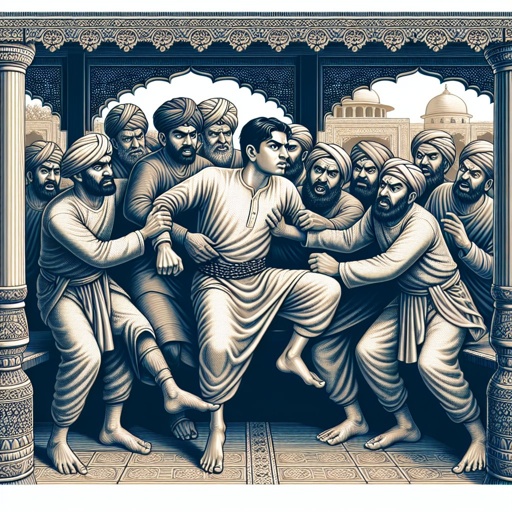
Acts 26:21 - "For these causes the Jews caught me in the temple, and went about to kill me."

Acts 21:17 - "And when we were come to Jerusalem, the brethren received us gladly."

Acts 11:21 - "And the hand of the Lord was with them: and a great number believed, and turned unto the Lord."

Acts 21:9 - "And the same man had four daughters, virgins, which did prophesy."

Acts 2:21 - "And it shall come to pass, that whosoever shall call on the name of the Lord shall be saved."

Acts 16:21 - "And teach customs, which are not lawful for us to receive, neither to observe, being Romans."

Acts 14:24 - "And after they had passed throughout Pisidia, they came to Pamphylia."

John 14:15-21

Matthew 14:13-21

Matthew 17:14-21

Acts 21:15 - "And after those days we took up our carriages, and went up to Jerusalem."