What does Acts 26:8 mean?
“Why should it be thought a thing incredible with you, that God should raise the dead?” — Acts 26:8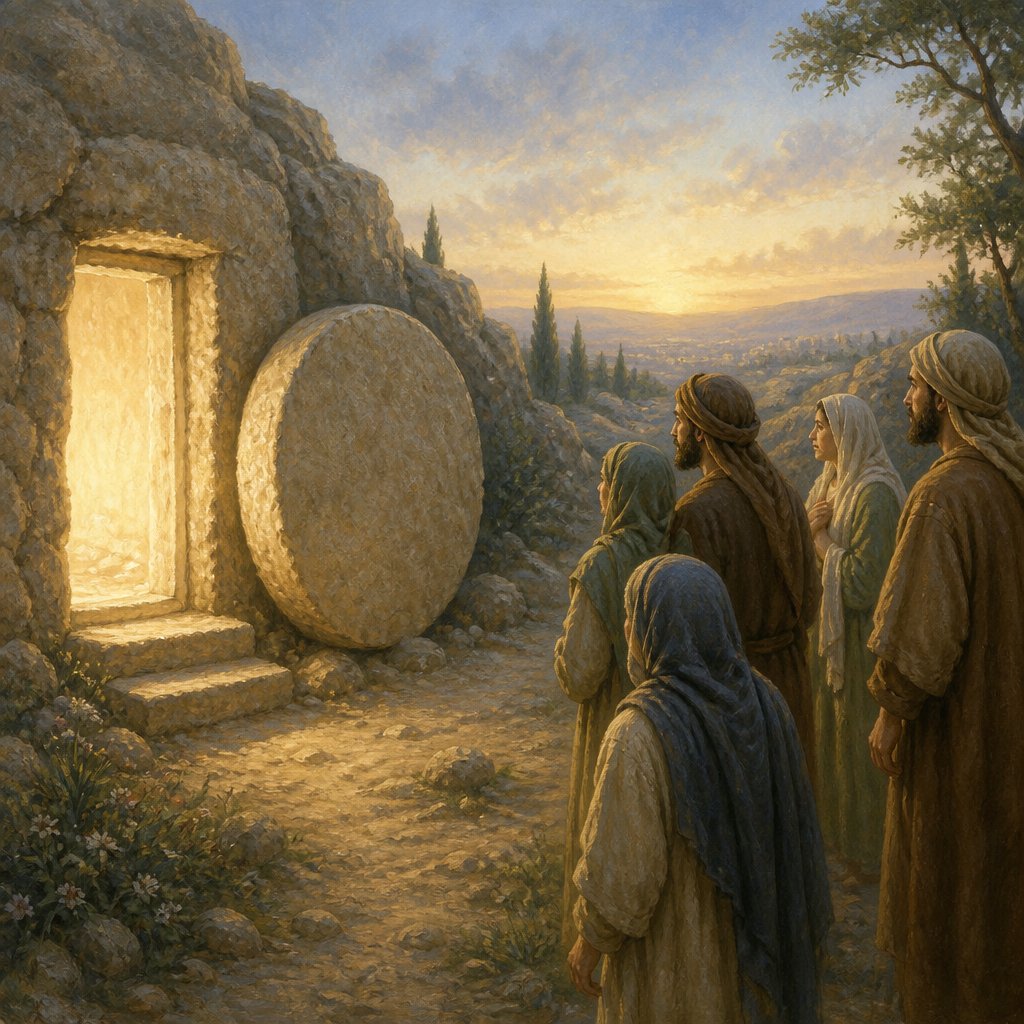
The Bible verse Acts 26:8 from the King James Version (KJV) states, "Why should it be thought a thing incredible with you, that God should raise the dead?" This passage is found in the New Testament and is a part of the book of Acts, which is traditionally attributed to Luke, the companion of the apostle Paul.
In this verse, Paul is speaking to King Agrippa as he defends himself against the accusations made by the Jewish leaders. He is recounting his own transformation from a persecutor of Christians to a believer in Jesus Christ. Paul's conversion is a powerful testimony to the reality of the resurrection and the transformative power of the gospel.
One of the central themes of this verse is the miraculous power of God, particularly in the raising of the dead. In the context of his defense before King Agrippa, Paul is calling attention to the incredulity of some in the audience regarding the possibility of God raising the dead. This statement serves as a reminder of the miraculous nature of the Christian faith and the belief in the resurrection of Jesus Christ, which lies at the heart of Christian theology.
The verse also underscores the fundamental belief in the resurrection as a core doctrine of Christianity. In the broader context of the New Testament, the resurrection of Jesus is central to the Christian faith, as it is the ultimate demonstration of God's power over death and the promise of new life for believers. By challenging the audience's disbelief in the resurrection, Paul is affirming the foundational truth of the Christian faith and its transformative effect on the lives of believers.
Furthermore, the verse speaks to the broader theme of Paul's ministry and mission to proclaim the gospel of Jesus Christ. Throughout the book of Acts, Paul is depicted as a bold and unwavering preacher of the gospel, fearlessly proclaiming the message of salvation despite opposition and persecution. In this particular instance, as he defends himself before King Agrippa, Paul is unapologetic about his faith and committed to sharing the truth of the gospel with those around him.
Symbolically, the mention of raising the dead can be seen as a metaphor for the spiritual transformation that occurs in the lives of believers. Just as the dead are brought back to life through the power of God, so too are individuals spiritually reborn through faith in Jesus Christ. This imagery of resurrection and new life is a powerful symbol of the hope and redemption offered through the gospel.
In conclusion, Acts 26:8 is a significant verse that encapsulates several key themes of the Christian faith, including the miraculous power of God, the centrality of the resurrection, and the transformative impact of the gospel. It serves as a reminder of the foundational truths of Christianity and the unwavering commitment of believers to proclaim the message of salvation. Ultimately, this verse challenges us to consider the incredible and transformative power of God in our own lives and to embrace the hope of new life found in Jesus Christ.
Get our apps


Artwork for Acts 26:8

Acts 26:8 - "Why should it be thought a thing incredible with you, that God should raise the dead?"
"Why should it be thought a thing incredible with you, that God should raise the dead?" - Acts 26:8

Acts 8:26 - "And the angel of the Lord spake unto Philip, saying, Arise, and go toward the south unto the way that goeth down from Jerusalem unto Gaza, which is desert."

Acts 8:8 - "And there was great joy in that city."

Acts 27:26 - "Howbeit we must be cast upon a certain island."

Acts 26:26 - "For the king knoweth of these things, before whom also I speak freely: for I am persuaded that none of these things are hidden from him; for this thing was not done in a corner."

Acts 26:19 - "Whereupon, O king Agrippa, I was not disobedient unto the heavenly vision:"

Acts 26:27 - "King Agrippa, believest thou the prophets? I know that thou believest."
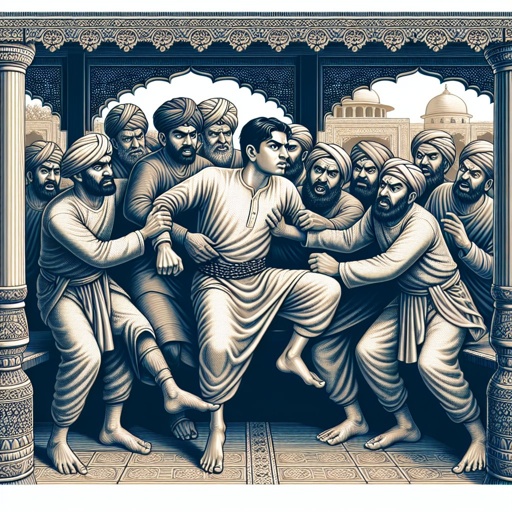
Acts 26:21 - "For these causes the Jews caught me in the temple, and went about to kill me."

Acts 15:26 - "Men that have hazarded their lives for the name of our Lord Jesus Christ."

Acts 23:26 - "Claudius Lysias unto the most excellent governor Felix sendeth greeting."

Acts 26:28 - "Then Agrippa said unto Paul, Almost thou persuadest me to be a Christian."

Acts 26:12 - "Whereupon as I went to Damascus with authority and commission from the chief priests,"

"And there was great joy in that city." - Acts 8:8

Acts 1:8

Acts 8:33

Acts 1:26 - "And they gave forth their lots; and the lot fell upon Matthias; and he was numbered with the eleven apostles."

Numbers 26:8 - "And the sons of Pallu; Eliab."

romans 8:26-28

Acts 4:8-12

Acts 26:6 - "And now I stand and am judged for the hope of the promise made of God unto our fathers:"

Acts 26:30 - "And when he had thus spoken, the king rose up, and the governor, and Bernice, and they that sat with them:"

Acts 10:26 - "But Peter took him up, saying, Stand up; I myself also am a man."

2 Chronicles 35:26 - "Now the rest of the acts of Josiah, and his goodness, according to that which was written in the law of the LORD,"

Acts 26:17 - "Delivering thee from the people, and from the Gentiles, unto whom now I send thee,"

2 Chronicles 25:26 - "Now the rest of the acts of Amaziah, first and last, behold, are they not written in the book of the kings of Judah and Israel?"

Acts 4:26 - "The kings of the earth stood up, and the rulers were gathered together against the Lord, and against his Christ."

Acts 26:25 - "But he said, I am not mad, most noble Festus; but speak forth the words of truth and soberness."

1 Chronicles 8:26 - "And Shamsherai, and Shehariah, and Athaliah,"
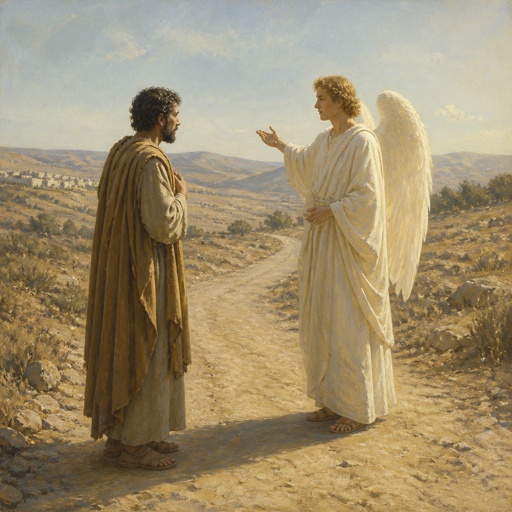
"And the angel of the Lord spake unto Philip, saying, Arise, and go toward the south unto the way that goeth down from Jerusalem unto Gaza, which is desert." - Acts 8:26