What does Acts 26:9 mean?
“I verily thought with myself, that I ought to do many things contrary to the name of Jesus of Nazareth.” — Acts 26:9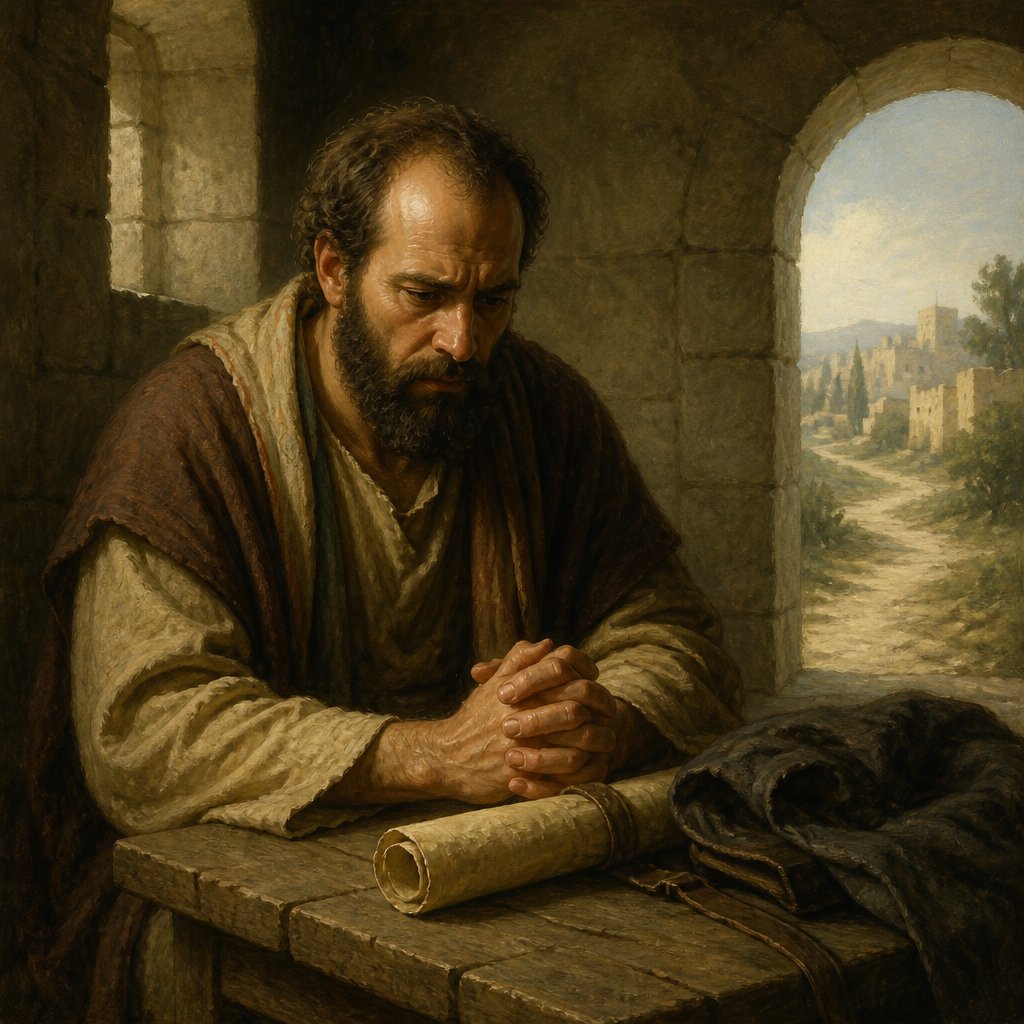
The Bible verse Acts 26:9 in the King James Version (KJV) reads, "I verily thought with myself, that I ought to do many things contrary to the name of Jesus of Nazareth." This verse is spoken by the apostle Paul as he addressed King Agrippa during his defense before the Roman governor, Festus, in the book of Acts.
To fully understand the depth and meaning of this verse, it is important to provide some context. The apostle Paul, formerly known as Saul, was a zealous persecutor of Christians before his conversion to Christianity. In Acts 9:1-2, we see Saul seeking permission from the high priest in Jerusalem to arrest any followers of "the Way" (early Christian movement) and bring them back to Jerusalem. He was known for his fervent opposition to the name of Jesus and was responsible for overseeing the persecution of many early Christians.
In Acts 26, Paul gives his defense before King Agrippa and recounts his dramatic conversion on the road to Damascus. He explains how he saw a light from heaven, heard the voice of Jesus, and was blinded for three days. As a result of this encounter, Paul's entire life was transformed, and he became a devout follower of Jesus Christ, the very person he had once vehemently opposed.
When Paul says, "I verily thought with myself, that I ought to do many things contrary to the name of Jesus of Nazareth," he is expressing regret and remorse for his past actions. This statement reflects the internal conflict he experienced before his conversion. It signifies the conviction and zeal with which he had once pursued persecution against the followers of Jesus. It also underscores the depth of his transformation and the power of God's grace to bring about such a dramatic change in his life.
One of the central themes in this verse is the concept of repentance and forgiveness. It serves as a powerful reminder of God's ability to redeem and transform even the most ardent opponents of His name. Paul's own experience serves as a testament to God's mercy and grace. His life stands as a powerful example of how God can take someone who was once an enemy of the faith and use them for His glory.
Another important theme is the sovereignty of God. Despite Paul's initial intentions to persecute the followers of Jesus, God had other plans for him. His encounter with the risen Christ on the road to Damascus was a divine intervention that completely altered the course of his life. This theme highlights the overarching control and authority of God over the lives of individuals, even those who may oppose Him initially.
The symbolism in this verse lies in the contrast between Paul's past actions and his present testimony. It symbolizes the transformative power of the Gospel and the radical change that can occur when someone encounters the living Christ. It also serves as a reminder of the importance of humility and the recognition of one's own shortcomings.
In conclusion, Acts 26:9 in the KJV is a profound statement that reflects the profound transformation that Paul experienced in his journey from persecutor to apostle. It serves as a powerful testament to the redemptive power of God and the ability of the Gospel to bring about radical change in the lives of individuals. Through Paul's testimony, we are reminded of the boundless grace and mercy of God, as well as His sovereign control over the affairs of humanity. This verse continues to inspire and challenge believers to examine their own lives and to consider the transformative power of the Gospel in the lives of others.
Get our apps


Artwork for Acts 26:9

Acts 26:9 - "I verily thought with myself, that I ought to do many things contrary to the name of Jesus of Nazareth."
"I verily thought with myself, that I ought to do many things contrary to the name of Jesus of Nazareth." - Acts 26:9

Acts 9:26 - "And when Saul was come to Jerusalem, he assayed to join himself to the disciples: but they were all afraid of him, and believed not that he was a disciple."
"And when Saul was come to Jerusalem, he assayed to join himself to the disciples: but they were all afraid of him, and believed not that he was a disciple." - Acts 9:26

Acts 27:26 - "Howbeit we must be cast upon a certain island."

Acts 26:26 - "For the king knoweth of these things, before whom also I speak freely: for I am persuaded that none of these things are hidden from him; for this thing was not done in a corner."

Acts 26:19 - "Whereupon, O king Agrippa, I was not disobedient unto the heavenly vision:"

Acts 26:27 - "King Agrippa, believest thou the prophets? I know that thou believest."

Acts 15:26 - "Men that have hazarded their lives for the name of our Lord Jesus Christ."

Acts 23:26 - "Claudius Lysias unto the most excellent governor Felix sendeth greeting."
Acts 26:21 - "For these causes the Jews caught me in the temple, and went about to kill me."

Acts 26:28 - "Then Agrippa said unto Paul, Almost thou persuadest me to be a Christian."

Acts 26:12 - "Whereupon as I went to Damascus with authority and commission from the chief priests,"

Genesis 26:9

Acts 26:8 - "Why should it be thought a thing incredible with you, that God should raise the dead?"

Acts 9:9 - "And he was three days without sight, and neither did eat nor drink."

Acts 1:26 - "And they gave forth their lots; and the lot fell upon Matthias; and he was numbered with the eleven apostles."

Acts 9:1-20

Acts 9:1-20

Acts 26:6 - "And now I stand and am judged for the hope of the promise made of God unto our fathers:"

Acts 26:30 - "And when he had thus spoken, the king rose up, and the governor, and Bernice, and they that sat with them:"

Acts 10:26 - "But Peter took him up, saying, Stand up; I myself also am a man."

2 Chronicles 35:26 - "Now the rest of the acts of Josiah, and his goodness, according to that which was written in the law of the LORD,"

Acts 26:17 - "Delivering thee from the people, and from the Gentiles, unto whom now I send thee,"

2 Chronicles 25:26 - "Now the rest of the acts of Amaziah, first and last, behold, are they not written in the book of the kings of Judah and Israel?"

Acts 4:26 - "The kings of the earth stood up, and the rulers were gathered together against the Lord, and against his Christ."

Acts 26:25 - "But he said, I am not mad, most noble Festus; but speak forth the words of truth and soberness."

Acts 20:26 - "Wherefore I take you to record this day, that I am pure from the blood of all men."

2 Chronicles 26:22 - "¶ Now the rest of the acts of Uzziah, first and last, did Isaiah the prophet, the son of Amoz, write."

Acts 14:26 - "And thence sailed to Antioch, from whence they had been recommended to the grace of God for the work which they fulfilled."