What does Acts 27:40 mean?
“And when they had taken up the anchors, they committed themselves unto the sea, and loosed the rudder bands, and hoised up the mainsail to the wind, and made toward shore.” — Acts 27:40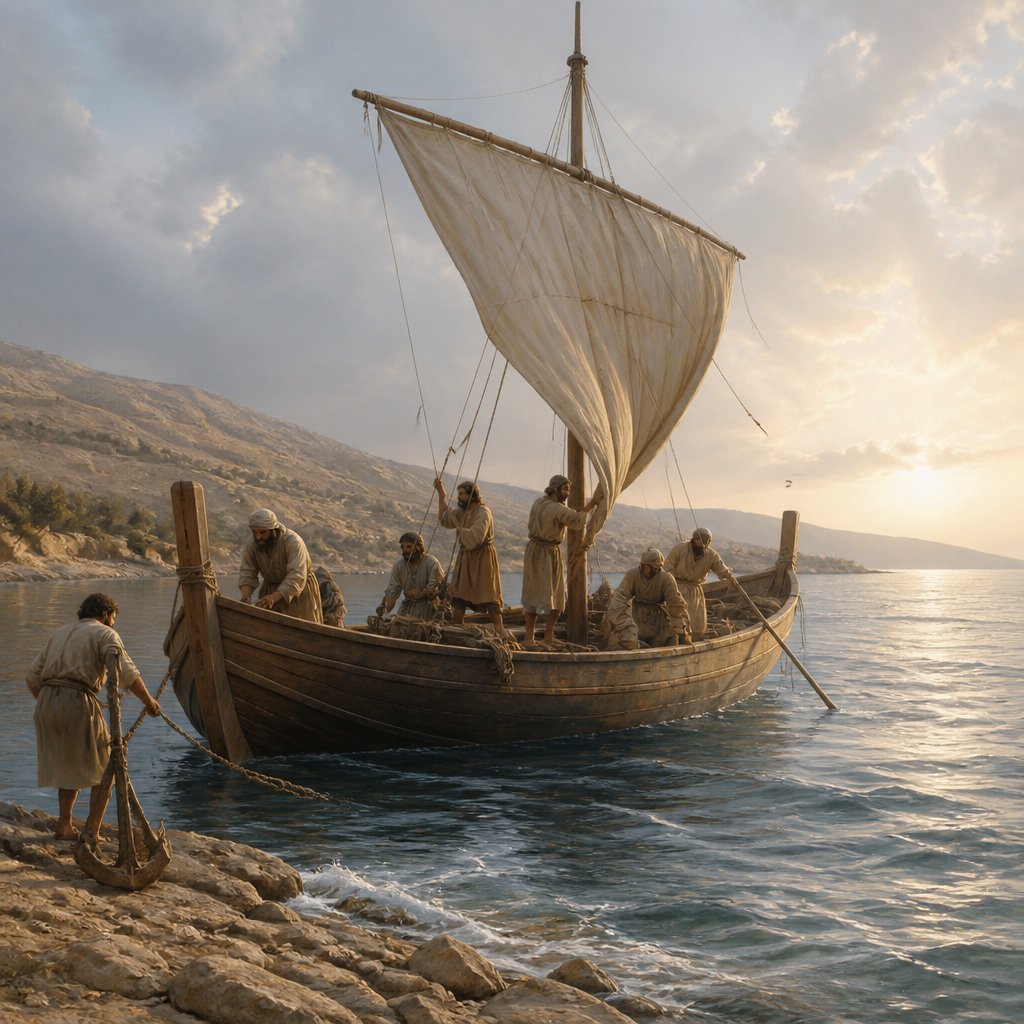
Acts 27:40 in the King James Version (KJV) of the Bible reads:
"And when they had taken up the anchors, they committed themselves unto the sea, and loosed the rudder bands, and hoised up the mainsail to the wind, and made toward shore."
This verse comes from the Book of Acts, which is part of the New Testament and is attributed to the authorship of Luke. The Book of Acts documents the early history of the Christian church, particularly focusing on the actions and teachings of the apostles following the resurrection of Jesus Christ. Acts chapter 27 chronicles the apostle Paul's perilous journey by ship to Rome, where he was to stand trial before Caesar.
The context of Acts 27:40 is set within a larger narrative of a treacherous sea voyage. Paul, along with other prisoners, is being transported to Rome by ship, under the supervision of a centurion named Julius. The journey is fraught with dangers, and Paul had previously warned the crew about the perils of continuing the voyage in the face of a looming storm. However, the sailors, guided by the ship's helmsman and the captain, decided to press on. As a result, they encountered a fierce storm and were lost at sea for many days.
In the midst of the storm, the sailors were eventually forced to abandon hope of being saved and began to take measures to save themselves. In Acts 27:40, we read that they "had taken up the anchors" and "loosed the rudder bands" and "hoisted up the mainsail to the wind." These actions symbolize a turning point in the narrative, as the sailors made a bold and decisive move to commit themselves to the mercy of the sea and seek a way to make it to the shore.
Symbolically, this verse can be interpreted as a metaphor for the struggles and trials that individuals face in their own lives. Just as the sailors were caught in a storm and faced with the threat of destruction, people often find themselves in situations that seem insurmountable and overwhelming. However, the sailors' actions in Acts 27:40 demonstrate the power of perseverance and resilience in the face of adversity. By letting go of the anchors and releasing the rudder bands, they were willing to let go of their past and trust themselves to the sea. This can be seen as a powerful message about the need to let go of the things that are weighing us down and inhibiting our progress, and to instead embrace the uncertainty of the future with faith and courage.
Furthermore, the act of "hoisting up the mainsail to the wind" can be seen as a symbol of actively seeking a new direction and harnessing the forces of nature to propel oneself forward. In a similar way, individuals faced with challenges in their own lives must often make difficult choices and take decisive actions in order to navigate through turbulent times and find a path toward safety and security.
In a broader theological context, Acts 27:40 can also be interpreted as a representation of the Christian journey. Just as the sailors were ultimately delivered to safety by the providence of God, believers are called to cast off the things that hinder their spiritual growth and trust in God's guidance and protection. The act of hoisting the mainsail can be seen as a metaphor for the role of faith in navigating life's storms, as believers rely on the power of God to propel them forward and lead them to the harbor of salvation.
In conclusion, Acts 27:40 from the King James Version of the Bible offers a rich and multifaceted message about the power of faith, resilience, and taking decisive action in the face of adversity. Its timeless themes can offer guidance and inspiration to individuals facing their own trials, as well as provide deeper insight into the Christian journey and the nature of divine providence.
Get our apps


Artwork for Acts 27:40

Acts 27:40 - "And when they had taken up the anchors, they committed themselves unto the sea, and loosed the rudder bands, and hoised up the mainsail to the wind, and made toward shore."
"And when they had taken up the anchors, they committed themselves unto the sea, and loosed the rudder bands, and hoised up the mainsail to the wind, and made toward shore." - Acts 27:40

Exodus 40:27 - "And he burnt sweet incense thereon; as the LORD commanded Moses."

Acts 13:40 - "Beware therefore, lest that come upon you, which is spoken of in the prophets;"

Acts 10:40 - "Him God raised up the third day, and shewed him openly;"

Acts 15:40 - "And Paul chose Silas, and departed, being recommended by the brethren unto the grace of God."

Acts 17:27

Acts 16:40 - "And they went out of the prison, and entered into the house of Lydia: and when they had seen the brethren, they comforted them, and departed."

Acts 8:40 - "But Philip was found at Azotus: and passing through he preached in all the cities, till he came to Caesarea."

Acts 2:40 - "And with many other words did he testify and exhort, saying, Save yourselves from this untoward generation."

Ezekiel 40:27 - "And there was a gate in the inner court toward the south: and he measured from gate to gate toward the south an hundred cubits."

Acts 19:40 - "For we are in danger to be called in question for this day's uproar, there being no cause whereby we may give an account of this concourse."

Acts 5:40 - "And to him they agreed: and when they had called the apostles, and beaten them, they commanded that they should not speak in the name of Jesus, and let them go."

Matthew 27:40 - "And saying, Thou that destroyest the temple, and buildest it in three days, save thyself. If thou be the Son of God, come down from the cross."

Acts 27:26 - "Howbeit we must be cast upon a certain island."

"And he burnt sweet incense thereon; as the LORD commanded Moses." - Exodus 40:27

Acts 27:27 - "But when the fourteenth night was come, as we were driven up and down in Adria, about midnight the shipmen deemed that they drew near to some country;"

Acts 11:27 - "¶ And in these days came prophets from Jerusalem unto Antioch."

Acts 27:14 - "But not long after there arose against it a tempestuous wind, called Euroclydon."

Acts 27:36 - "Then were they all of good cheer, and they also took some meat."

Acts 27:32 - "Then the soldiers cut off the ropes of the boat, and let her fall off."

Acts 27:18 - "And we being exceedingly tossed with a tempest, the next day they lightened the ship;"

Acts 27:37 - "And we were in all in the ship two hundred threescore and sixteen souls."

Acts 20:27 - "For I have not shunned to declare unto you all the counsel of God."

Acts 26:27 - "King Agrippa, believest thou the prophets? I know that thou believest."

Isaiah 40:27 - "Why sayest thou, O Jacob, and speakest, O Israel, My way is hid from the LORD, and my judgment is passed over from my God?"
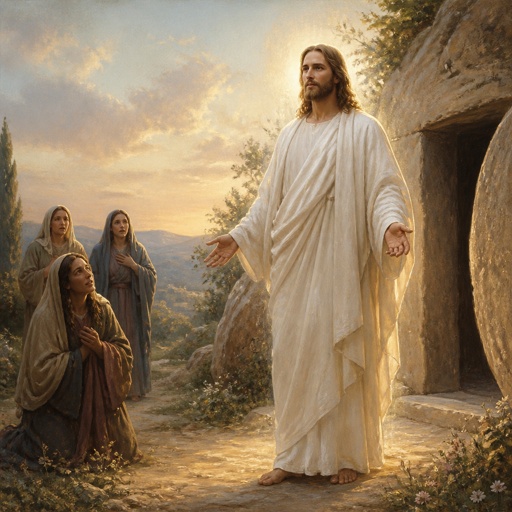
"Him God raised up the third day, and shewed him openly;" - Acts 10:40

Acts 27:19 - "And the third day we cast out with our own hands the tackling of the ship."

Acts 27:38 - "And when they had eaten enough, they lightened the ship, and cast out the wheat into the sea."
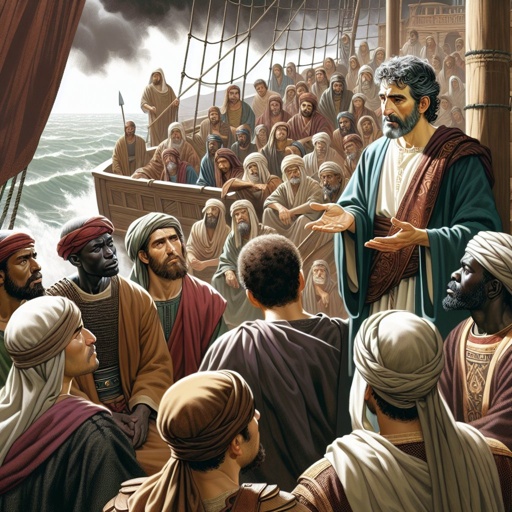
Acts 27:31 - "Paul said to the centurion and to the soldiers, Except these abide in the ship, ye cannot be saved."