What does Acts 28:13 mean?
“And from thence we fetched a compass, and came to Rhegium: and after one day the south wind blew, and we came the next day to Puteoli:” — Acts 28:13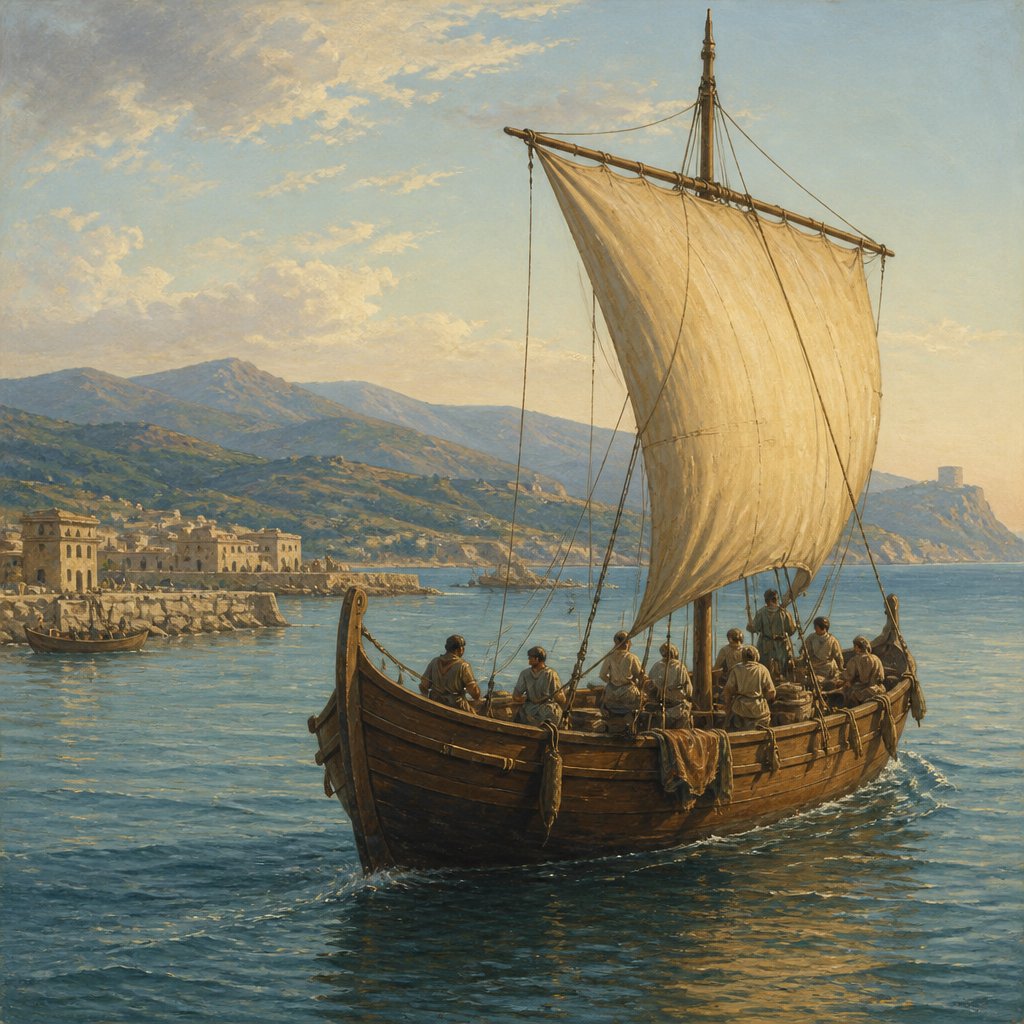
In Acts 28:13, the King James Version (KJV) of the Bible states, "And from thence we fetched a compass, and came to Rhegium: and after one day the south wind blew, and we came the next day to Puteoli." This verse is part of the wider narrative in the book of Acts, which tells the story of the early Christian church and the spread of the gospel message.
This particular verse is part of the account of Paul's journey to Rome, where he was to stand trial for his beliefs and teachings. Paul had been arrested in Jerusalem and, being a Roman citizen, had appealed to Caesar. As a result, he was being taken to Rome to await his trial. In Acts 28, Paul and his companions are shipwrecked on the island of Malta and then continue their journey to Rome. The verse in question describes their travels, specifically their journey from Malta to Puteoli.
In examining this verse, it is important to consider its context within the wider narrative of the book of Acts. The book of Acts is a historical account of the early Christian church, written by Luke, the companion of the apostle Paul. Acts records the spread of the gospel message to the ends of the earth, as Jesus had commanded his followers to do (Acts 1:8). Throughout the book, there is a clear emphasis on the sovereignty and power of God in guiding and directing the activities of his people, including Paul and his companions.
In Acts 28:13, the mention of the south wind blowing and the journey to Puteoli can be seen as a continuation of this theme of God's providence. The wind blowing in the desired direction suggests that God was orchestrating the circumstances of Paul and his companions' journey, ensuring that they arrived at their intended destination in a timely manner. This serves as a reminder that God is in control of all things, even the natural elements, and that he is able to guide his people according to his purposes.
Furthermore, the specific locations mentioned in this verse, Rhegium and Puteoli, hold significance in relation to the spread of the gospel. Rhegium was a port city in southern Italy, while Puteoli (modern-day Pozzuoli) was a major port city near Naples. These locations were crucial points of entry and departure for travelers and goods in the Roman Empire, and Paul's arrival in Puteoli marked a significant step in his journey to Rome. Symbolically, the mention of these cities may serve to underscore the global impact of the gospel message, as Paul's presence in these strategic locations facilitated the spread of Christianity to the wider Roman world.
In conclusion, Acts 28:13 is a verse that, when considered within its broader context in the book of Acts, serves to emphasize God's sovereignty and providential guidance in the lives of his people. The verse highlights the way in which God orchestrated the circumstances of Paul's journey to Rome, ensuring that he arrived safely at his intended destination. Additionally, the specific locations mentioned in the verse further symbolize the global impact of the gospel message. As Paul and his companions continue their journey, the verse reminds readers of the overarching theme of God's faithfulness and power in fulfilling his purposes through his people.
Get our apps


Artwork for Acts 28:13

Acts 28:13 - "And from thence we fetched a compass, and came to Rhegium: and after one day the south wind blew, and we came the next day to Puteoli:"

"And from thence we fetched a compass, and came to Rhegium: and after one day the south wind blew, and we came the next day to Puteoli:" - Acts 28:13

Acts 13:28 - "And though they found no cause of death in him, yet desired they Pilate that he should be slain."

"And though they found no cause of death in him, yet desired they Pilate that he should be slain." - Acts 13:28

Acts 28:12

Acts 28:28 - "Be it known therefore unto you, that the salvation of God is sent unto the Gentiles, and that they will hear it."

Acts 14:28 - "And there they abode long time with the disciples."

Acts 28:12 - "And landing at Syracuse, we tarried there three days."

Acts 9:28 - "And he was with them coming in and going out at Jerusalem."

Acts 28:1 - "And when they were escaped, then they knew that the island was called Melita."

Acts 28:5 - "And he shook off the beast into the fire, and felt no harm."

Acts 8:28 - "Was returning, and sitting in his chariot read Esaias the prophet."

Genesis 28-13

Ezekiel 28:13

Acts 28:24 - "And some believed the things which were spoken, and some believed not."

Acts 7:28 - "Wilt thou kill me, as thou diddest the Egyptian yesterday?"

Acts 18:28 - "For he mightily convinced the Jews, and that publickly, shewing by the scriptures that Jesus was Christ."

Acts 26:28 - "Then Agrippa said unto Paul, Almost thou persuadest me to be a Christian."

Acts 4:28 - "For to do whatsoever thy hand and thy counsel determined before to be done."

Acts 13:43

"And there they abode long time with the disciples." - Acts 14:28

Mark 13:28-37

Mark 13:28-37

"Be it known therefore unto you, that the salvation of God is sent unto the Gentiles, and that they will hear it." - Acts 28:28

Mark 13:28-37

luke 13:28-37

Luke 13:28-27

Luke 13:28-27

Luke 13:28-27

Mark 13:28-37