What does Acts 4:11 mean?
“This is the stone which was set at nought of you builders, which is become the head of the corner.” — Acts 4:11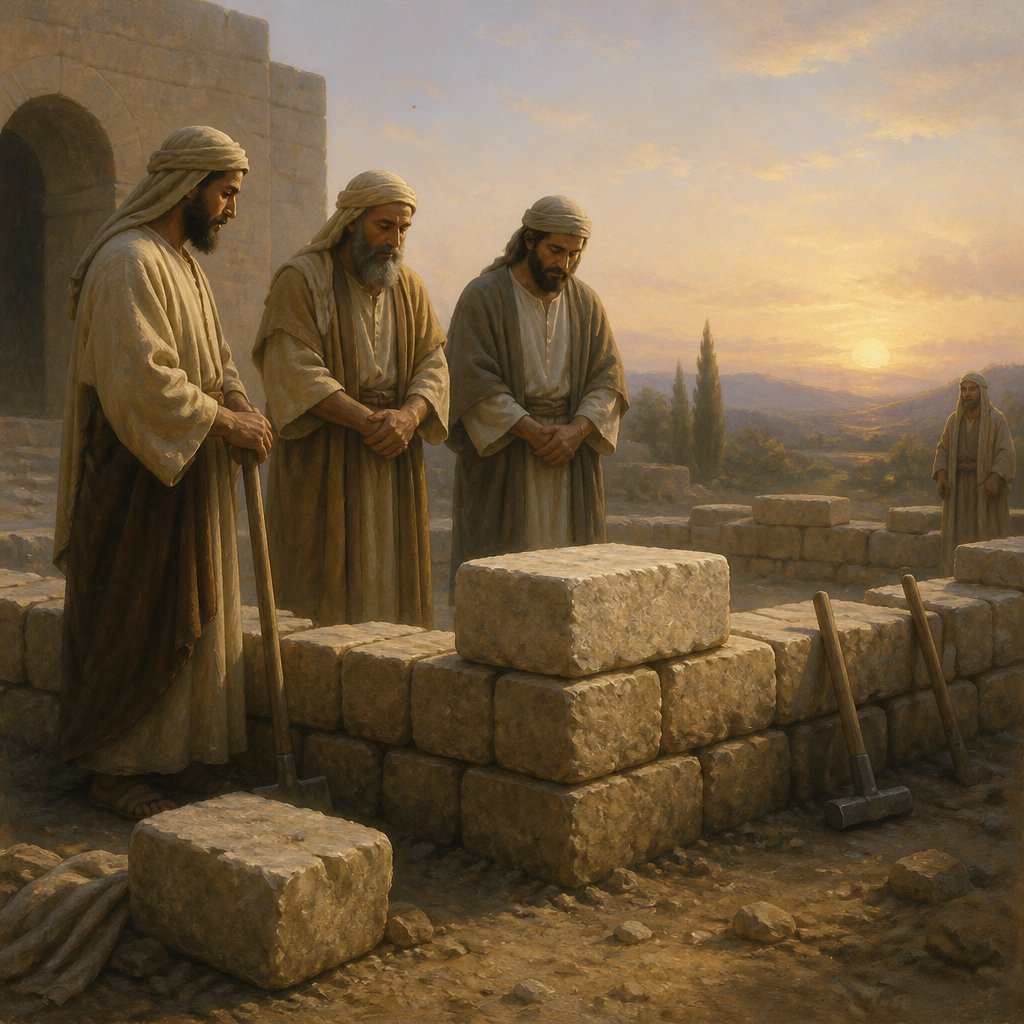
The Bible verse Acts 4:11 from the King James Version states, "This is the stone which was set at nought of you builders, which is become the head of the corner." This verse is part of a larger passage in which Peter and John are addressing the rulers, elders, and scribes of the people following the healing of a man who had been lame from birth. Peter and John proclaim the name of Jesus Christ as the source of this miraculous healing and go on to explain the significance of Jesus as the cornerstone of the Christian faith.
The verse is a reference to a prophecy from the Book of Psalms, specifically Psalm 118:22, which states, "The stone which the builders refused is become the head stone of the corner." In this context, the stone represents Jesus Christ, who was rejected by the religious leaders and ultimately crucified, but later became the foundation and cornerstone of the Christian faith. This prophecy is fulfilled by Jesus, as Peter and John proclaim in Acts 4:11.
The imagery of the stone being rejected by the builders but becoming the cornerstone is significant in several ways. It emphasizes the rejection and suffering of Jesus during his earthly ministry, as well as his ultimate victory and exaltation as the head of the corner. The rejection of Jesus by the religious authorities of the time was a fulfillment of the prophecy, but it also serves as a reminder that God's plans and purposes cannot be thwarted by human rejection or opposition.
The concept of Jesus as the cornerstone is a central theme in Christian theology. The cornerstone is the most important stone in a building, as it determines the alignment and stability of the entire structure. In the same way, Jesus is the foundation and focal point of the Christian faith, and his teachings and example are the guiding principles for believers. This imagery underscores the importance of Christ in the establishment and continuation of the Christian church.
The verse also highlights the role of Peter and John as bold witnesses for the faith. Despite facing opposition and persecution, they fearlessly proclaim the name of Jesus and assert his significance as the cornerstone of the faith. This serves as an example for believers to stand firm in their convictions and boldly proclaim the truth of the gospel, even in the face of adversity.
In a broader sense, the verse speaks to the broader themes of rejection, redemption, and triumph. Jesus' rejection by the religious leaders and his subsequent crucifixion are a demonstration of the fallen nature of humanity and the need for redemption. However, his resurrection and exaltation as the cornerstone of the Christian faith represent the ultimate triumph over sin and death. This theme of redemption and triumph is central to the Christian message and is encapsulated in the imagery of the rejected stone becoming the cornerstone.
In conclusion, Acts 4:11 from the King James Version is a powerful and evocative verse that encapsulates the themes of rejection, redemption, and triumph through the imagery of Jesus as the cornerstone. It serves as a reminder of the central role of Christ in the Christian faith and the importance of boldly proclaiming his name and teachings. This verse has resonated with believers for centuries and continues to be a source of inspiration and encouragement for Christians around the world.
Get our apps


Artwork for Acts 4:11

Acts 4:11 - "This is the stone which was set at nought of you builders, which is become the head of the corner."
"This is the stone which was set at nought of you builders, which is become the head of the corner." - Acts 4:11

Acts 11:4 - "But Peter rehearsed the matter from the beginning, and expounded it by order unto them, saying,"

Acts 4 Peter before the Sanhedrin
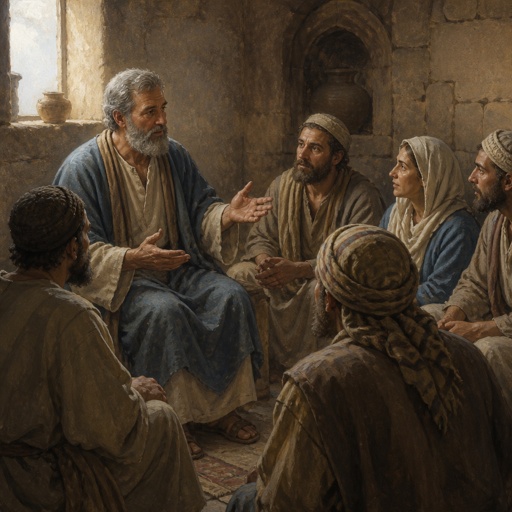
"But Peter rehearsed the matter from the beginning, and expounded it by order unto them, saying," - Acts 11:4

Acts 20:11

Acts 11:2

Acts 11:2

Acts 19: 11

Acts 19:11

acts 3 11

Acts 11:2

Acts 4:30

Acts 4:30

Acts 4:30

Acts 2:4

Acts 4:30

1 Kings 11:41 - "¶ And the rest of the acts of Solomon, and all that he did, and his wisdom, are they not written in the book of the acts of Solomon?"

in the spirit of acts 10:11 draw an image of Peter looking up at a 4-cornered sheet coming out of the sky with a pig, a horse, a dog, a cat, a lion, 2 vultures, an eagle, and an alligator in it.

Acts 1:4-5

Acts 1:1-11

Acts 1:1-11

Acts 2:4

Acts 2:4

Acts 11:25 - "Then departed Barnabas to Tarsus, for to seek Saul:"

Acts 19:11 - "And God wrought special miracles by the hands of Paul:"

Acts 4:8-12

Acts 11:11 - "And, behold, immediately there were three men already come unto the house where I was, sent from Caesarea unto me."

Acts 11:27 - "¶ And in these days came prophets from Jerusalem unto Antioch."

Acts 4:4 - "Howbeit many of them which heard the word believed; and the number of the men was about five thousand."