What does Acts 5:18 mean?
“And laid their hands on the apostles, and put them in the common prison.” — Acts 5:18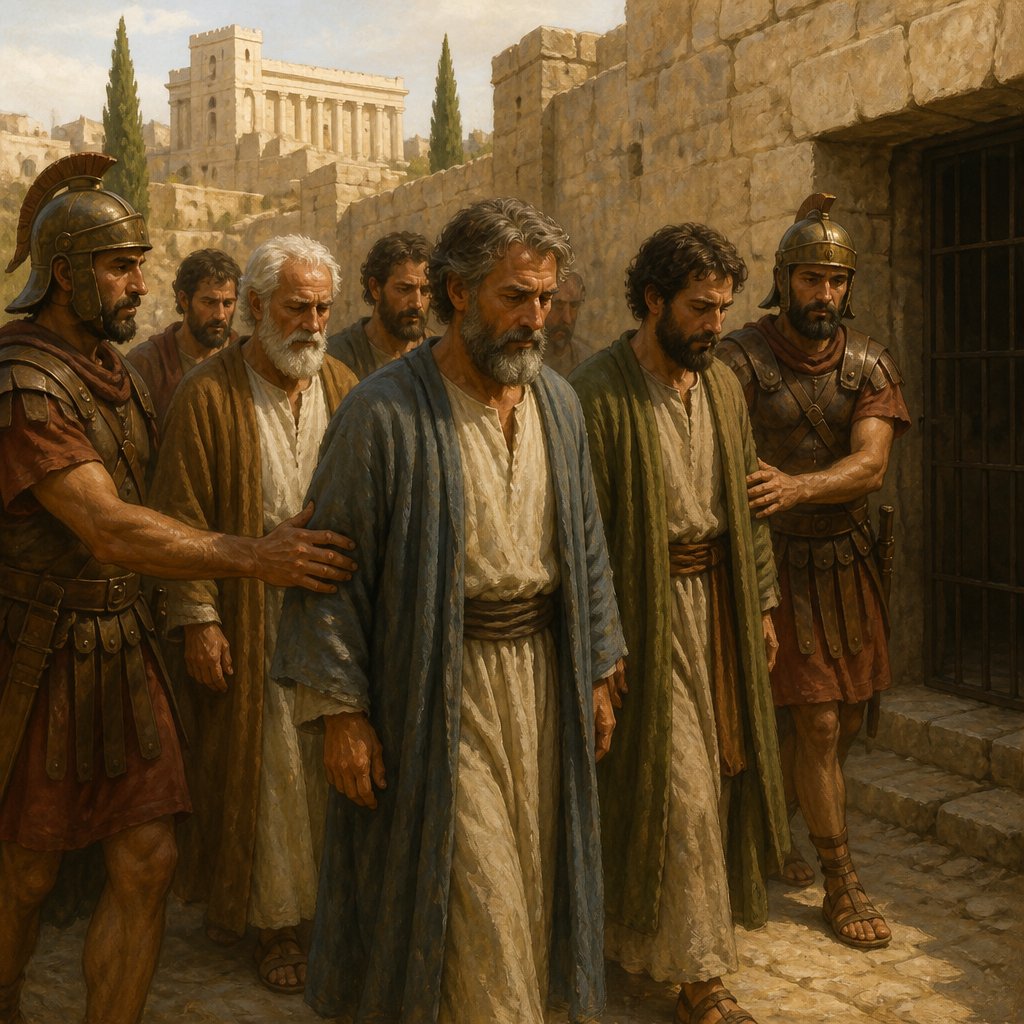
The verse Acts 5:18 from the King James Version of the Bible states, "And laid their hands on the apostles, and put them in the common prison." This verse comes from the Book of Acts, which explores the establishment and growth of the early Christian church after the death and resurrection of Jesus Christ.
The context of this particular verse is the persecution of the apostles by the religious authorities in Jerusalem. Leading up to this event, the apostles had been performing many signs and wonders among the people, and great multitudes of believers, both men and women, were added to their number. The high priest and the Sadducees were filled with jealousy and began to persecute the apostles, arresting them and putting them in the common prison as a result of their continued teaching in the name of Jesus.
This verse can be interpreted in several ways. On one level, it highlights the persecution and suffering that the early Christians faced as a result of their faith. The apostles were imprisoned for boldly proclaiming the message of Jesus Christ, and yet they did not waiver in their commitment to spreading the gospel. This verse illustrates the courage and steadfastness of the apostles in the face of adversity, serving as an example for believers today who may face similar challenges in sharing their faith.
Furthermore, the imprisonment of the apostles can be seen as a fulfillment of Jesus' own prediction of persecution for his followers. In John 15:20, Jesus told his disciples, "Remember the word that I said unto you, The servant is not greater than his lord. If they have persecuted me, they will also persecute you; if they have kept my saying, they will keep yours also." The apostles' imprisonment serves as a reminder that persecution is an inevitable part of the Christian journey, and that believers should be prepared to endure hardship for the sake of their faith.
Symbolically, the act of imprisoning the apostles can be seen as an attempt to silence the message of the gospel. The religious authorities sought to quell the spread of Christianity by removing its leaders and preventing them from teaching and preaching. However, this action ultimately failed, as the apostles continued to proclaim the message of Jesus Christ even from within the confines of the prison. This demonstrates the resilience and power of the gospel, which cannot be contained or silenced by human opposition.
Overall, Acts 5:18 serves as a powerful reminder of the challenges and opposition that believers may face as they seek to live out their faith. It also underscores the steadfastness and courage of the early Christians in the face of persecution, as well as the enduring power of the gospel message. This verse encourages believers to remain committed to their faith, even in the face of adversity, and to trust in the sovereignty of God despite the trials and tribulations they may face. It also serves as a call to persevere in the proclamation of the gospel, knowing that the message of Jesus Christ cannot be hindered or extinguished by the efforts of man.
Get our apps


Artwork for Acts 5:18
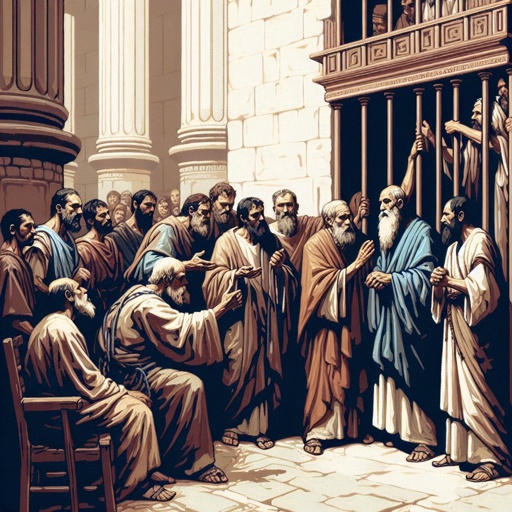
Acts 5:18 - "And laid their hands on the apostles, and put them in the common prison."
"And laid their hands on the apostles, and put them in the common prison." - Acts 5:18

Acts 18:5 - "And when Silas and Timotheus were come from Macedonia, Paul was pressed in the spirit, and testified to the Jews that Jesus was Christ."

Acts 5:17-18 - "Then the high priest and all his associates, who were members of the party of the Sadducees, were filled with jealousy. They arrested the apostles and put them in the public jail."

Acts 18:12

Acts 18:12
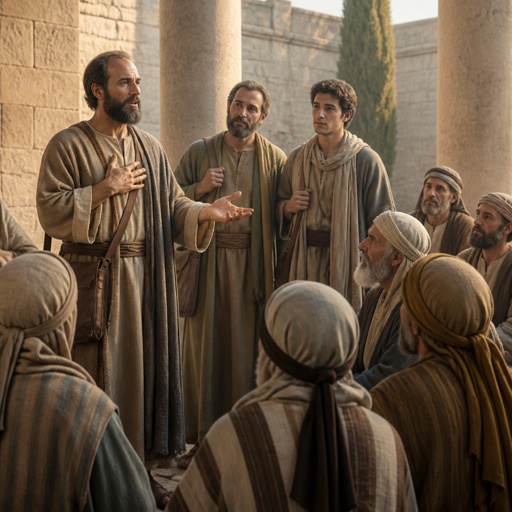
"And when Silas and Timotheus were come from Macedonia, Paul was pressed in the spirit, and testified to the Jews that Jesus was Christ." - Acts 18:5

Acts 1:4-5

Acts 18:16 - "And he drave them from the judgment seat."

Acts 19:18 - "And many that believed came, and confessed, and shewed their deeds."

Acts 7:18 - "Till another king arose, which knew not Joseph."

Acts 18:1 - "After these things Paul departed from Athens, and came to Corinth;"

Acts 18:13 - "Saying, This fellow persuadeth men to worship God contrary to the law."

Acts 21:5-6

Acts 18:4 - "And he reasoned in the synagogue every sabbath, and persuaded the Jews and the Greeks."

Acts 13:18 - "And about the time of forty years suffered he their manners in the wilderness."

2 Kings 14:18 - "And the rest of the acts of Amaziah, are they not written in the book of the chronicles of the kings of Judah?"

Acts 15:18 - "Known unto God are all his works from the beginning of the world."

Acts 18:28 - "For he mightily convinced the Jews, and that publickly, shewing by the scriptures that Jesus was Christ."

Acts 10:18 - "And called, and asked whether Simon, which was surnamed Peter, were lodged there."

Acts 20:5 - "These going before tarried for us at Troas."

Acts 14:18 - "And with these sayings scarce restrained they the people, that they had not done sacrifice unto them."

Acts 27:18 - "And we being exceedingly tossed with a tempest, the next day they lightened the ship;"

Acts 18:20 - "When they desired him to tarry longer time with them, he consented not;"

Acts 4:18 - "And they called them, and commanded them not to speak at all nor teach in the name of Jesus."

Acts 18:9 - "Then spake the Lord to Paul in the night by a vision, Be not afraid, but speak, and hold not thy peace:"

Acts 12:18 - "Now as soon as it was day, there was no small stir among the soldiers, what was become of Peter."

Acts 18:11 - "And he continued there a year and six months, teaching the word of God among them."

Acts 18:15 - "But if it be a question of words and names, and of your law, look ye to it; for I will be no judge of such matters."

Acts 4:5 - "¶ And it came to pass on the morrow, that their rulers, and elders, and scribes,"