What does Acts 8:2 mean?
“And devout men carried Stephen to his burial, and made great lamentation over him.” — Acts 8:2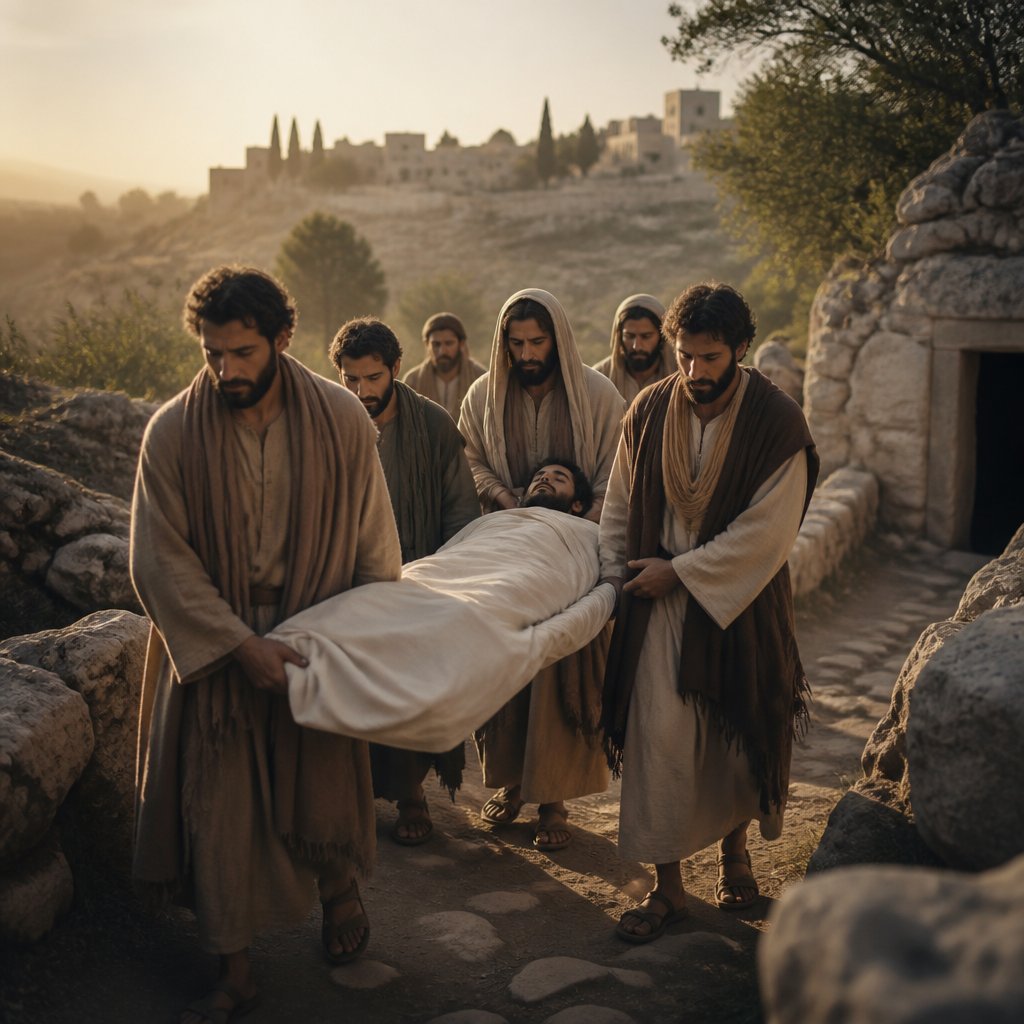
Acts 8:2 in the King James Version reads, "And devout men carried Stephen to his burial, and made great lamentation over him."
This verse is a short but significant moment in the book of Acts, which recounts the early days of the Christian church and the spreading of the gospel message. The context surrounding this verse is the aftermath of the stoning of Stephen, one of the early Christian leaders. Stephen was arrested and brought before the Sanhedrin, the Jewish council, on charges of blasphemy. He boldly preached the gospel to the council, accusing them of betraying and murdering Jesus Christ. This enraged the council, and Stephen was stoned to death by an angry mob. As a result, the early Christian community was plunged into persecution and turmoil.
The mention of "devout men" carrying Stephen to his burial and making "great lamentation" over him speaks to the deep sense of loss and mourning that the early Christians felt at the death of one of their own. Stephen was a respected and influential figure in the early church, and his martyrdom had a profound impact on the community. The fact that "devout men" were the ones who carried out his burial indicates that he was highly regarded and honored within the community.
The theme of persecution and martyrdom is prominent in this verse. The early Christians faced intense opposition and persecution from both the Jewish authorities and the broader society. Stephen's death was the first recorded martyrdom of a Christian in the Bible, and it marked the beginning of a period of intense persecution against the church. The response of the early Christians to this persecution is significant – rather than retreating in fear, they boldly continued to preach the gospel and spread the message of Jesus Christ, even in the face of great danger.
The verse also highlights the importance of grieving and mourning within the Christian community. The early Christians did not shy away from their grief, but openly and publicly lamented the loss of Stephen. This demonstrates the deep sense of community and solidarity that characterized the early church. The act of carrying out Stephen's burial and lamenting over him was a tangible expression of their love and respect for their fallen brother.
Symbolically, Stephen's burial and the lamentation over him represent the broader theme of death and resurrection that runs throughout the Christian faith. While Stephen's death was a great tragedy, it was not the end of the story. The Christian belief in the resurrection of the dead gives hope and comfort in the face of loss and grief. The early Christians would have found solace in the knowledge that Stephen's death was not the final word – that he would one day be raised to new life and reunited with them in the kingdom of God.
In conclusion, Acts 8:2 is a verse that captures a significant moment in the early days of the Christian church. It reflects themes of persecution, martyrdom, grief, and hope, and serves as a reminder of the challenges and triumphs that have characterized the Christian faith from its very beginnings. This verse reminds us of the deep sense of community and solidarity that should characterize the church, and the hope that sustains us in the face of loss and persecution.
Get our apps


Artwork for Acts 8:2

Acts 8:2 - "And devout men carried Stephen to his burial, and made great lamentation over him."
"And devout men carried Stephen to his burial, and made great lamentation over him." - Acts 8:2

Acts 2:8 - "And how hear we every man in our own tongue, wherein we were born?"

2 Kings 8:23 - "And the rest of the acts of Joram, and all that he did, are they not written in the book of the chronicles of the kings of Judah?"

2 Kings 13:8 - "¶ Now the rest of the acts of Jehoahaz, and all that he did, and his might, are they not written in the book of the chronicles of the kings of Israel?"

Acts 8:8 - "And there was great joy in that city."

"And there was great joy in that city." - Acts 8:8

Acts 1:8

Acts 8:33

2 Chronicles 36:8 - "Now the rest of the acts of Jehoiakim, and his abominations which he did, and that which was found in him, behold, they are written in the book of the kings of Israel and Judah: and Jehoiachin his son reigned in his stead."

Acts 4:8-12

Acts 2:2

Acts 2:2

"And the rest of the acts of Joram, and all that he did, are they not written in the book of the chronicles of the kings of Judah?" - 2 Kings 8:23
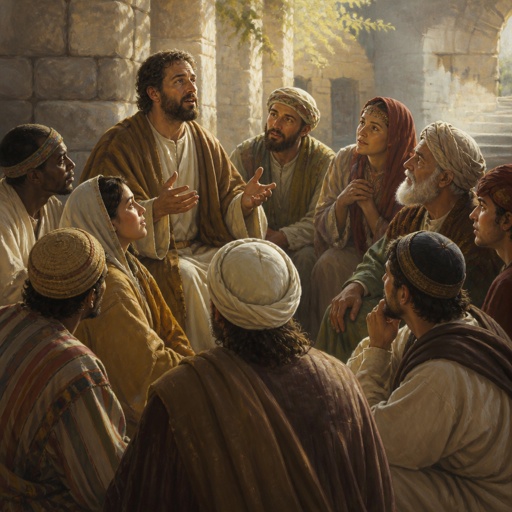
"And how hear we every man in our own tongue, wherein we were born?" - Acts 2:8

Acts 16:8 - "And they passing by Mysia came down to Troas."

ACTS 8:30 Philip and the Ethiopian

Acts 8:17 - "Then laid they their hands on them, and they received the Holy Ghost."

Acts 17:8 - "And they troubled the people and the rulers of the city, when they heard these things."

Acts 8:28 - "Was returning, and sitting in his chariot read Esaias the prophet."

Acts 8:23 - "For I perceive that thou art in the gall of bitterness, and in the bond of iniquity."

Acts 2:2-3

Acts 2:2-3

Acts 2:17

Acts 2:17

Acts 2:4

Acts 2:17

Acts 20:8 - "And there were many lights in the upper chamber, where they were gathered together."

Acts 8:5 - "Then Philip went down to the city of Samaria, and preached Christ unto them."

Acts 8:29 - "Then the Spirit said unto Philip, Go near, and join thyself to this chariot."