What does Acts 8:28 mean?
“Was returning, and sitting in his chariot read Esaias the prophet.” — Acts 8:28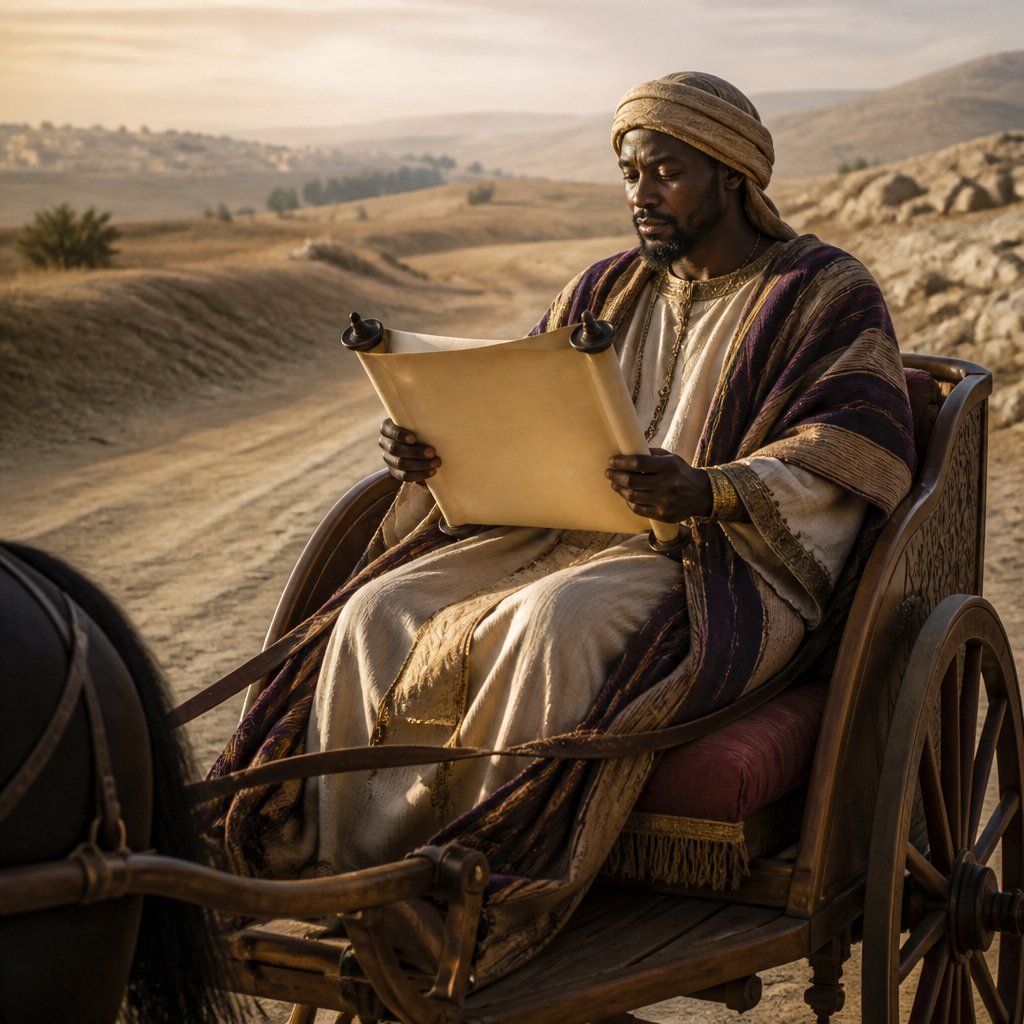
The verse Acts 8:28 from the King James Version of the Bible reads: "Was returning, and sitting in his chariot read Esaias the prophet." This passage is part of the story of Philip and the Ethiopian eunuch, which is found in Acts 8:26-40. The passage describes an encounter between Philip, one of the seven deacons appointed by the apostles, and an Ethiopian eunuch who was in charge of the treasury of the queen of Ethiopia. Let us delve into the meaning and significance of this verse in its literary, historical, and theological context.
First, it is important to understand the historical and cultural background of this passage. The Ethiopian eunuch was a high-ranking official in the court of Queen Candace of Ethiopia. As a eunuch, he was a trusted and influential figure in the royal court. This passage highlights the fact that he was returning from Jerusalem, where he had gone to worship. It is significant that he was reading from the book of Isaiah, one of the major prophets in the Hebrew Bible. This indicates not only his interest in the Jewish religion but also his high level of education and literacy. Additionally, the fact that he was returning from Jerusalem suggests that he was a proselyte or a God-fearer, a non-Jew who was interested in and had embraced the Jewish religion and practices.
The passage is also rich in symbolism. The chariot in which the Ethiopian eunuch is sitting represents his position and status as a high-ranking official. In ancient times, chariots were a symbol of power and wealth, and they were often associated with royalty and the elite. The fact that the eunuch is reading from the book of Isaiah while sitting in his chariot underscores the significance of his spiritual journey and his commitment to seeking God. This symbolic imagery conveys the idea that faith and spirituality are not confined to a specific social or cultural status, but are accessible to all who seek a deeper understanding of God's word.
The encounter between Philip and the Ethiopian eunuch also carries a deeper theological meaning. Philip, guided by the Holy Spirit, approaches the eunuch and engages in a conversation with him about the passage he is reading. The eunuch, puzzled by the meaning of the prophecy in Isaiah, asks Philip for help in understanding it. This dialogue between Philip and the eunuch reflects the universal nature of the Gospel and the inclusivity of God's kingdom. It demonstrates that God's message is for all people, regardless of their background, ethnicity, or social standing. This passage emphasizes the role of personal interaction and communication in sharing the Gospel and guiding others towards a deeper understanding of God's word.
The passage also brings to light the fulfillment of a prophecy. In Isaiah 53:7-8, the prophet Isaiah foretells the suffering and rejection of the Messiah, who would be led like a lamb to the slaughter and be cut off from the land of the living. This prophecy is fulfilled in the life, death, and resurrection of Jesus Christ, who is the central figure of the Christian faith. The eunuch's inquiry about the identity of the suffering servant in Isaiah's prophecy provides an opportunity for Philip to share the good news of Jesus Christ with him. In this way, the passage highlights the continuity and fulfillment of the Old Testament prophecies through the coming of Christ.
In conclusion, the passage Acts 8:28 from the King James Version of the Bible holds a deep and multi-layered significance in its portrayal of the encounter between Philip and the Ethiopian eunuch. It provides insight into the historical, cultural, and spiritual context of the characters involved, while also conveying powerful symbolism and theological themes. The passage underscores the universal nature of the Gospel, the inclusivity of God's kingdom, and the fulfillment of prophecy in the person of Jesus Christ. It serves as a reminder of the transformative power of God's word and the importance of dialogue and communication in sharing the message of salvation.
Get our apps


Artwork for Acts 8:28

Acts 8:28 - "Was returning, and sitting in his chariot read Esaias the prophet."
"Was returning, and sitting in his chariot read Esaias the prophet." - Acts 8:28
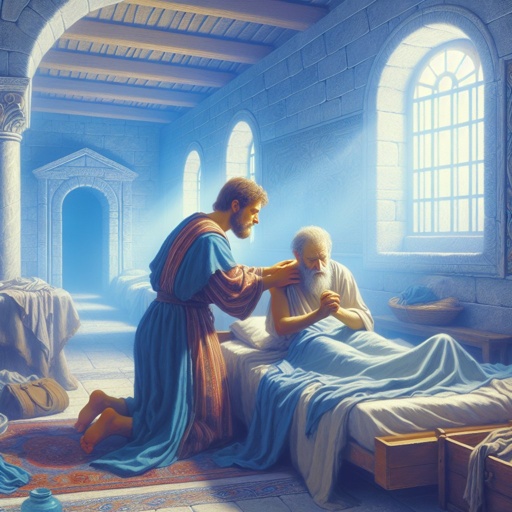
Acts 28:8 - "And it came to pass, that the father of Publius lay sick of a fever and of a bloody flux: to whom Paul entered in, and prayed, and laid his hands on him, and healed him."

Acts 28:12

Acts 28:28 - "Be it known therefore unto you, that the salvation of God is sent unto the Gentiles, and that they will hear it."

Acts 14:28 - "And there they abode long time with the disciples."

Acts 28:12 - "And landing at Syracuse, we tarried there three days."

Acts 9:28 - "And he was with them coming in and going out at Jerusalem."

Acts 8:8 - "And there was great joy in that city."

Acts 28:1 - "And when they were escaped, then they knew that the island was called Melita."

Acts 28:5 - "And he shook off the beast into the fire, and felt no harm."

Acts 28:24 - "And some believed the things which were spoken, and some believed not."

Acts 7:28 - "Wilt thou kill me, as thou diddest the Egyptian yesterday?"

Acts 18:28 - "For he mightily convinced the Jews, and that publickly, shewing by the scriptures that Jesus was Christ."

Acts 26:28 - "Then Agrippa said unto Paul, Almost thou persuadest me to be a Christian."

Acts 4:28 - "For to do whatsoever thy hand and thy counsel determined before to be done."

Romans 8:28

matthew 8:28

Romans 8:28

Romans 8:28

Romans 8:28

Romans 8:28

"And there they abode long time with the disciples." - Acts 14:28

"And there was great joy in that city." - Acts 8:8

Acts 1:8

"Be it known therefore unto you, that the salvation of God is sent unto the Gentiles, and that they will hear it." - Acts 28:28

Acts 8:33

Acts 16:28 - "But Paul cried with a loud voice, saying, Do thyself no harm: for we are all here."

Acts 13:28 - "And though they found no cause of death in him, yet desired they Pilate that he should be slain."
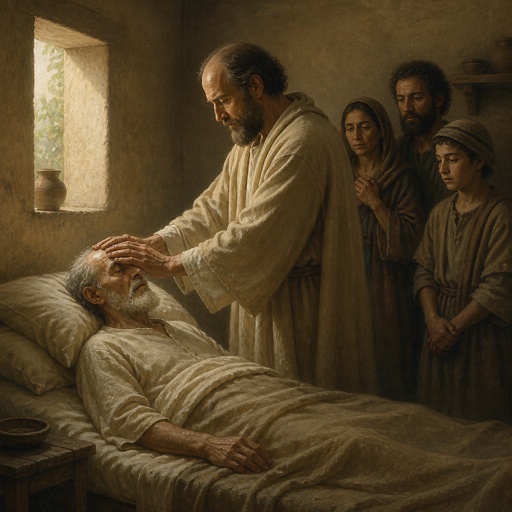
"And it came to pass, that the father of Publius lay sick of a fever and of a bloody flux: to whom Paul entered in, and prayed, and laid his hands on him, and healed him." - Acts 28:8