What does Amos 2:7 mean?
“That pant after the dust of the earth on the head of the poor, and turn aside the way of the meek: and a man and his father will go in unto the same maid, to profane my holy name:” — Amos 2:7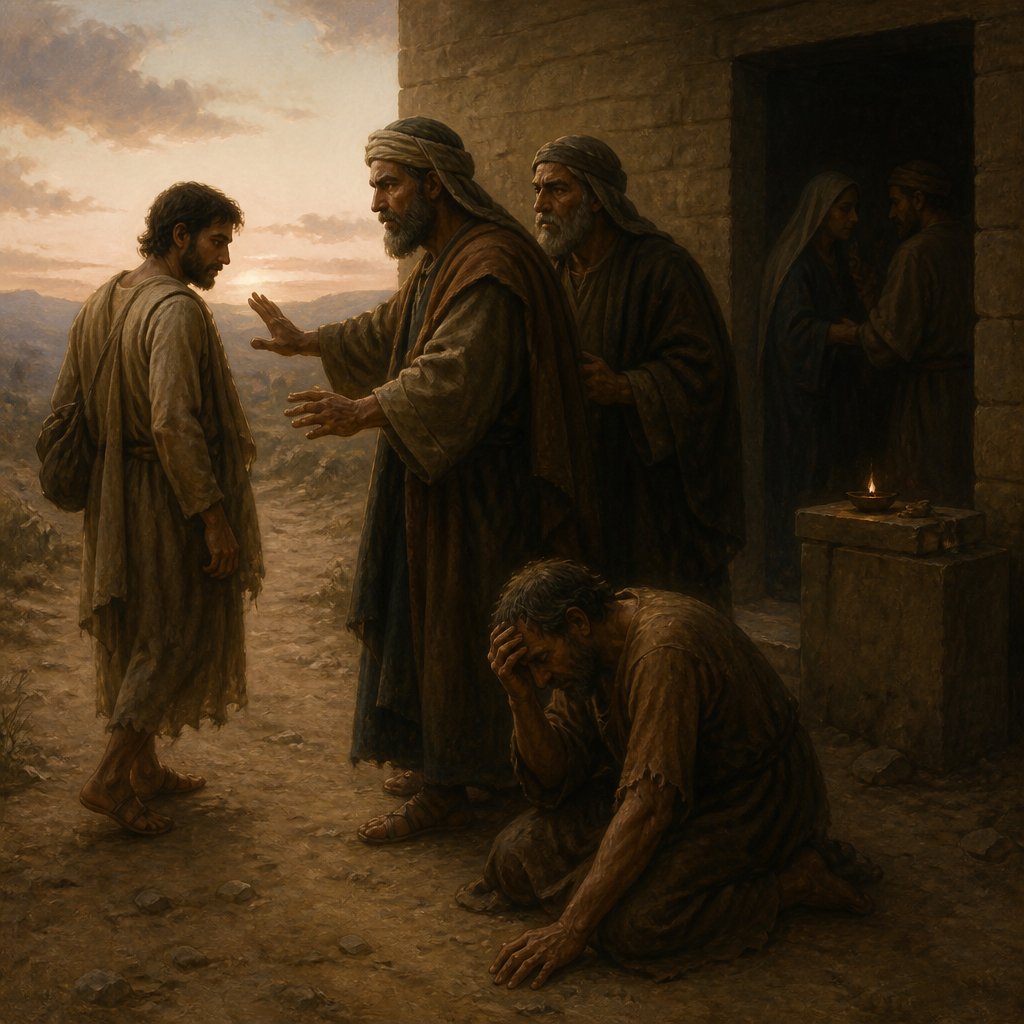
Amos 2:7 in the King James Version of the Bible reads: "That pant after the dust of the earth on the head of the poor, and turn aside the way of the meek: and a man and his father will go in unto the same maid, to profane my holy name."
This verse comes from the book of Amos, which is one of the books of the Minor Prophets in the Old Testament. The book of Amos was written by the prophet Amos, who was a shepherd from the southern kingdom of Judah. He was called by God to prophesy against the northern kingdom of Israel during the reign of King Jeroboam II. The primary theme of the book of Amos is God's judgment against Israel for their social and moral injustices.
In Amos 2:7, the prophet condemns the people of Israel for their mistreatment of the poor and the weak. The verse begins with the phrase "That pant after the dust of the earth on the head of the poor," which can be interpreted to mean that the wealthy and powerful are exploiting and oppressing the poor, causing them to be in a state of despair and humiliation. The imagery of "panting after the dust of the earth" suggests a desperate and degrading pursuit of material wealth and power at the expense of the vulnerable.
The verse continues to condemn the people for "turning aside the way of the meek," indicating that they are actively obstructing and denying justice to those who are humble and defenseless. This highlights the pervasive injustice and inequality in Israel, where the powerful and affluent are using their influence to oppress and marginalize those who are powerless.
The final part of the verse addresses the issue of sexual immorality, stating "a man and his father will go in unto the same maid, to profane my holy name." This is a reference to the sexual misconduct and violation of familial and social boundaries that was prevalent in Israel at the time. This behavior not only defiled the sanctity of family relationships but also dishonored God's name and moral standards.
Overall, Amos 2:7 serves as a scathing indictment of the social and moral corruption in Israel during the prophet's time. The verse highlights the widespread oppression of the poor and the abuse of power by the wealthy and influential. It also denounces the moral decay and sexual depravity that was prevalent in the society. Through this condemnation, Amos emphasizes God's concern for justice, righteousness, and moral purity.
The themes present in Amos 2:7 include social justice, oppression of the poor, abuse of power, moral decay, and the sanctity of God's name. These themes are recurring throughout the book of Amos and reflect the prophet's call for repentance and reform in Israel. The verse also serves as a reminder of the importance of upholding ethical standards and treating others with fairness and compassion.
In a broader context, Amos 2:7 can also be seen as a timeless message that is relevant to contemporary society. It challenges us to examine our own attitudes and actions towards the marginalized and vulnerable in our midst. It calls for a commitment to justice and righteousness, and a rejection of exploitation and immorality. Ultimately, the verse serves as a call to honor God's name by living in a way that is consistent with his moral values and seeking justice for those who are oppressed.
Get our apps


Artwork for Amos 2:7

Amos 2:7 - "That pant after the dust of the earth on the head of the poor, and turn aside the way of the meek: and a man and his father will go in unto the same maid, to profane my holy name:"
"That pant after the dust of the earth on the head of the poor, and turn aside the way of the meek: and a man and his father will go in unto the same maid, to profane my holy name:" - Amos 2:7

Amos 7:14 - "¶ Then answered Amos, and said to Amaziah, I was no prophet, neither was I a prophet's son; but I was an herdman, and a gatherer of sycomore fruit:"

Amos 7:11 - "For thus Amos saith, Jeroboam shall die by the sword, and Israel shall surely be led away captive out of their own land."

Amos 7:12 - "Also Amaziah said unto Amos, O thou seer, go, flee thee away into the land of Judah, and there eat bread, and prophesy there:"

Amos 7:3 - "The LORD repented for this: It shall not be, saith the LORD."

Amos 7:2 - "And it came to pass, that when they had made an end of eating the grass of the land, then I said, O Lord GOD, forgive, I beseech thee: by whom shall Jacob arise? for he is small."

Amos 7:6 - "The LORD repented for this: This also shall not be, saith the Lord GOD."

Amos 7:10 - "¶ Then Amaziah the priest of Beth-el sent to Jeroboam king of Israel, saying, Amos hath conspired against thee in the midst of the house of Israel: the land is not able to bear all his words."

Amos 7:7 - "¶ Thus he shewed me: and, behold, the Lord stood upon a wall made by a plumbline, with a plumbline in his hand."

Amos 5:7 - "Ye who turn judgment to wormwood, and leave off righteousness in the earth,"

Amos 7:8 - "And the LORD said unto me, Amos, what seest thou? And I said, A plumbline. Then said the Lord, Behold, I will set a plumbline in the midst of my people Israel: I will not again pass by them any more:"

Amos 7:13 - "But prophesy not again any more at Beth-el: for it is the king's chapel, and it is the king's court."

Amos 1:7 - "But I will send a fire on the wall of Gaza, which shall devour the palaces thereof:"

Amos 8:7 - "The LORD hath sworn by the excellency of Jacob, Surely I will never forget any of their works."
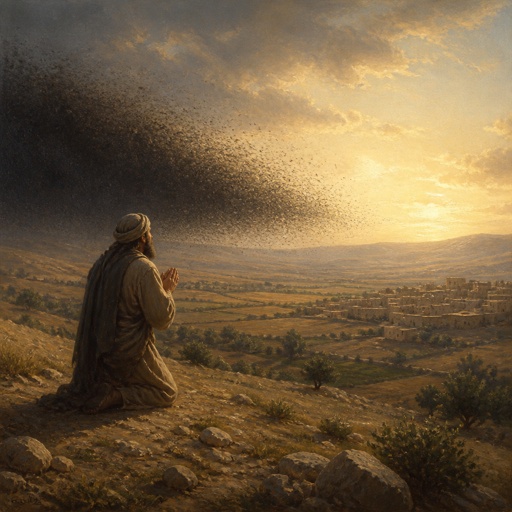
"The LORD repented for this: It shall not be, saith the LORD." - Amos 7:3

Amos 3:7 - "Surely the Lord GOD will do nothing, but he revealeth his secret unto his servants the prophets."

"¶ Then answered Amos, and said to Amaziah, I was no prophet, neither was I a prophet's son; but I was an herdman, and a gatherer of sycomore fruit:" - Amos 7:14

Amos 6:7 - "¶ Therefore now shall they go captive with the first that go captive, and the banquet of them that stretched themselves shall be removed."

"For thus Amos saith, Jeroboam shall die by the sword, and Israel shall surely be led away captive out of their own land." - Amos 7:11

Amos 7:5 - "Then said I, O Lord GOD, cease, I beseech thee: by whom shall Jacob arise? for he is small."

Amos 8:2 - "And he said, Amos, what seest thou? And I said, A basket of summer fruit. Then said the LORD unto me, The end is come upon my people of Israel; I will not again pass by them any more."

Amos 7:15 - "And the LORD took me as I followed the flock, and the LORD said unto me, Go, prophesy unto my people Israel."
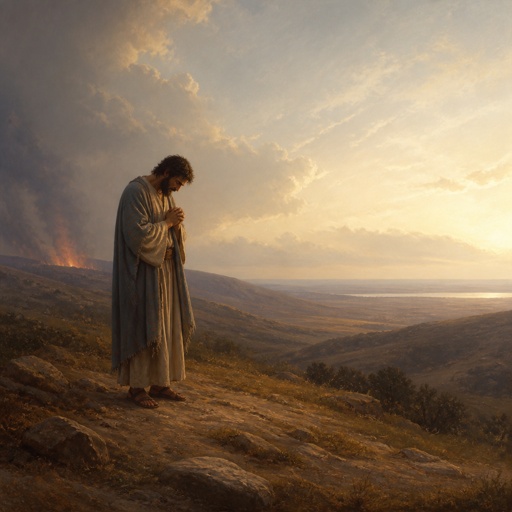
"The LORD repented for this: This also shall not be, saith the Lord GOD." - Amos 7:6

Amos 7:9 - "And the high places of Isaac shall be desolate, and the sanctuaries of Israel shall be laid waste; and I will rise against the house of Jeroboam with the sword."

"Also Amaziah said unto Amos, O thou seer, go, flee thee away into the land of Judah, and there eat bread, and prophesy there:" - Amos 7:12

Amos 2:12 - "But ye gave the Nazarites wine to drink; and commanded the prophets, saying, Prophesy not."

Amos 2:5 - "But I will send a fire upon Judah, and it shall devour the palaces of Jerusalem."

Amos 7:16 - "¶ Now therefore hear thou the word of the LORD: Thou sayest, Prophesy not against Israel, and drop not thy word against the house of Isaac."

Amos 2:13 - "Behold, I am pressed under you, as a cart is pressed that is full of sheaves."