What does Amos 9:5 mean?
“And the Lord GOD of hosts is he that toucheth the land, and it shall melt, and all that dwell therein shall mourn: and it shall rise up wholly like a flood; and shall be drowned, as by the flood of Egypt.” — Amos 9:5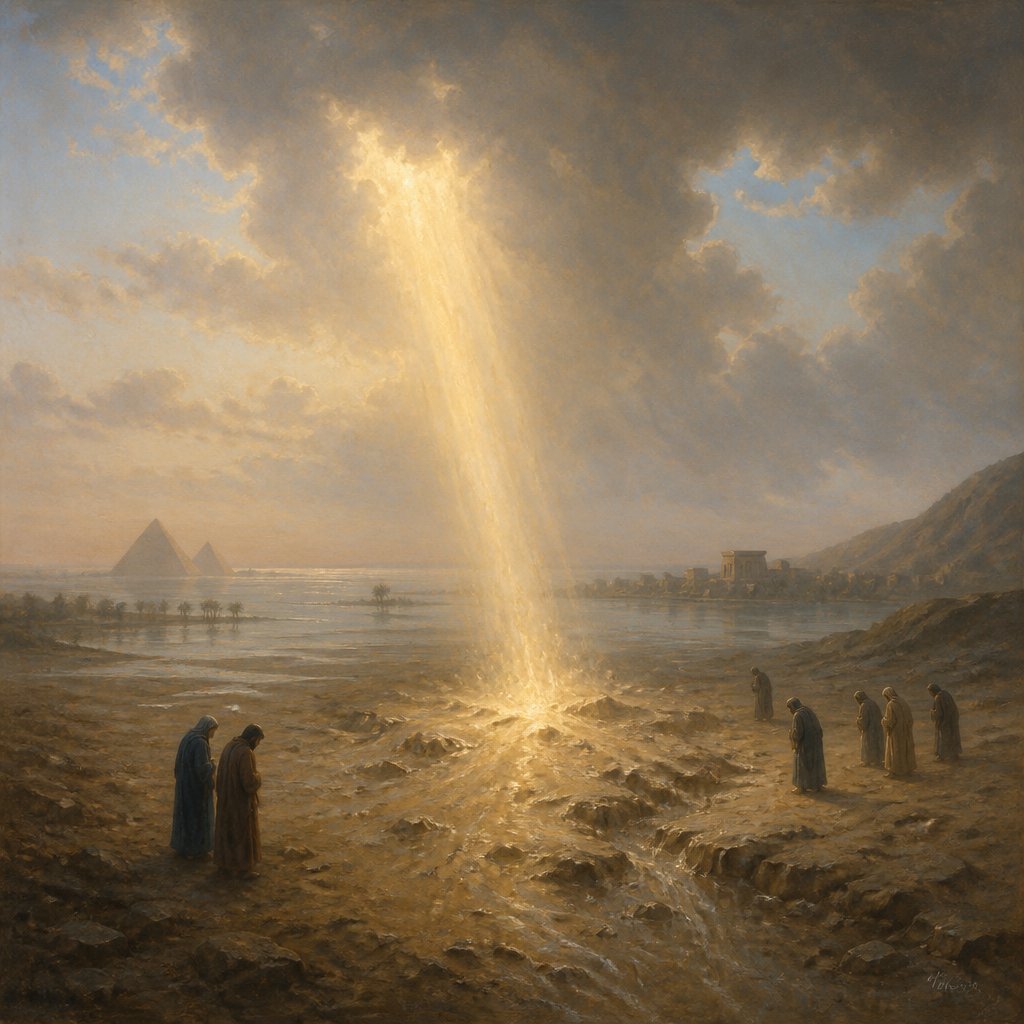
Amos 9:5 (KJV) - "And the Lord God of hosts is he that toucheth the land, and it shall melt, and all that dwell therein shall mourn: and it shall rise up wholly like a flood; and shall be drowned, as by the flood of Egypt."
The book of Amos is one of the prophetic books in the Old Testament, and it contains powerful messages about God's justice and righteousness. Amos was a shepherd and a fig farmer from the village of Tekoa, and he was called by God to prophesy to the Northern Kingdom of Israel during a time of great prosperity and affluence. However, this prosperity was accompanied by widespread injustice, oppression, and idolatry, and it is in this context that we find the verse Amos 9:5.
In this verse, the Lord is described as "the God of hosts," which emphasizes His power and sovereignty over all creation. The imagery of God "touching the land, and it shall melt" is a vivid portrayal of His ability to bring about destruction and judgment. This language is reminiscent of other passages in the Old Testament that describe God's power over nature, such as in Psalm 46:6, where it says "The heathen raged, the kingdoms were moved: he uttered his voice, the earth melted." This imagery serves to underscore the power and authority of God as the one who is capable of bringing about cataclysmic events.
The verse goes on to speak of the inhabitants of the land mourning and the land rising up like a flood and being drowned, as by the flood of Egypt. This language is evocative of the biblical motif of the "Day of the Lord," which is a time when God will bring judgment upon the earth and all its inhabitants. In this context, the "flood of Egypt" is a reference to the plagues that God brought upon Egypt during the time of Moses, particularly the plague of the Nile turning to blood and the subsequent destruction of Pharaoh's army in the Red Sea. The use of this imagery serves to warn the people of Israel of the impending judgment that will come upon them if they do not repent of their sins and turn back to God.
The themes present in Amos 9:5 are those of justice, judgment, and the sovereignty of God. Throughout the book of Amos, the prophet denounces the social and economic injustices that were prevalent in Israel at the time, and he warns of the consequences that will come as a result of their disobedience and unfaithfulness. The verse serves as a reminder that God is not indifferent to the actions of His people, and that there will be a day of reckoning for those who continue in their sin and rebellion.
The historical context of this verse is important to consider as well. During the time of Amos, the Northern Kingdom of Israel was experiencing a period of great prosperity and wealth, but it was also marked by widespread corruption, idolatry, and the exploitation of the poor. The rulers and the wealthy were enriching themselves at the expense of the marginalized and the vulnerable, and they were doing so in direct opposition to the commandments of God. Amos was sent to rebuke the people for their sins and to call them to repentance, and this verse serves as a warning of the judgment that will come if they do not heed his message.
In addition to its thematic and contextual significance, Amos 9:5 also contains symbolic elements that add depth to its meaning. The image of the land melting and rising up like a flood is a powerful symbol of the coming judgment of God, and it calls to mind other biblical narratives that speak of the earth being dramatically and decisively transformed by divine action. This imagery serves to convey the magnitude and severity of the judgment that is to come, and it underscores the urgency of the prophet's message.
In conclusion, Amos 9:5 is a powerful and evocative verse that captures the themes of justice, judgment, and the sovereignty of God. It presents a vivid image of the destructive power of God and serves as a warning to the people of Israel of the consequences of their disobedience and unfaithfulness. The verse is situated within a specific historical context of social and economic injustice, and it serves as a call to repentance and a reminder of the accountability that God holds His people to. Its imagery and symbolism add depth and richness to its meaning, and it continues to serve as a poignant and relevant message for readers today.


