What does Colossians 3:15 mean?
“And let the peace of God rule in your hearts, to the which also ye are called in one body; and be ye thankful.” — Colossians 3:15
“And let the peace of God rule in your hearts, to the which also ye are called in one body; and be ye thankful.” Colossians 3:15 (KJV) stands as a guiding sentence within Paul’s larger call for believers to live out the new life that follows being “risen with Christ” (Colossians 3:1, KJV). In the surrounding passage Paul is not giving an isolated proverb, but pressing the church at Colosse to put off the old ways of the flesh and to put on the likeness of Christ in actual community life. Just before this verse he has named the “bowels of mercies, kindness, humbleness of mind, meekness, longsuffering,” and the necessity of “forbearing one another, and forgiving one another” (Colossians 3:12–13, KJV), and immediately after it he speaks of letting “the word of Christ dwell in you richly” with worship flowing from hearts that sing “with grace” (Colossians 3:16, KJV). Colossians 3:15, therefore, functions like a hinge: it gathers the virtues Paul has described, and it points them toward the inner governance and outward harmony that should characterize “one body.”
The heart of the verse is the command, “let the peace of God rule in your hearts.” In KJV language, the “heart” is not merely the seat of emotion but the inward center of thought, desire, conscience, and will. Paul is describing an interior authority that is meant to preside over decisions, reactions, and relationships. “Peace” here is not presented as a fragile feeling that comes and goes with circumstances, but as something belonging to God—“the peace of God”—and therefore carrying the weight of God’s own settled purpose. It is peace that comes from reconciliation: God has made peace with His people, and that peace is to become the governing principle within them. The verb “rule” is significant because it suggests oversight and decision. The peace of God is to act as an umpire within the heart, restraining impulses that would break fellowship, settling disputes, and inclining the believer toward the choices that preserve Christlike unity and obedience.
This peace is not only inward but communal, as the next phrase makes clear: “to the which also ye are called in one body.” The calling of God is not simply to private spirituality but to a corporate life. The “one body” echoes Paul’s frequent teaching that believers are joined together in Christ as members of a single living organism, not as isolated worshippers who merely share a label. In that image, peace is not optional decoration; it is vital to the body’s health. When the peace of God rules in individual hearts, it naturally supports the unity of the whole, because the same divine peace that reconciles the believer to God is meant to reconcile believers to one another. In context, this directly confronts the ordinary sources of church fracture—pride, resentment, impatience, unforgiveness—and it binds Christian ethics to Christian identity: they are “called” to this peace, not merely advised toward it.
There is also symbolism in the phrase “one body” that deepens the verse’s significance. A body has one life, one head, and many members. The members differ, yet they do not compete as though they belonged to separate creatures. That picture quietly insists that peace is not merely the absence of open conflict; it is the fitting harmony of parts that share one life. Because the church is a body, bitterness and division are not only social problems; they are self-wounding. Peace “rules” in the heart so that the body can function as what it already is in Christ.
The final clause, “and be ye thankful,” shows that gratitude is not an afterthought but a safeguard for peace. Thankfulness turns the heart away from entitlement and complaint, which are fertile ground for strife. It also keeps the believer mindful that all of this life—reconciliation with God, inclusion in “one body,” the power to forgive and forbear—is received, not earned. In the flow of Paul’s argument, thankfulness is the proper response to grace and the atmosphere in which peace remains steady. A thankful heart is harder to provoke, slower to accuse, quicker to yield, and more ready to see fellow believers as gifts rather than obstacles.
Taken together, Colossians 3:15 (KJV) presents peace as a divine governor within the believer and a divine bond within the church. It calls for an inward submission, not to anxiety, pride, or retaliation, but to God’s own peace; it anchors that command in the believer’s calling into the shared life of “one body”; and it crowns the whole with thankfulness, as the spiritual posture that sustains unity and reflects a life truly “hid with Christ in God” (Colossians 3:3, KJV).
Get our apps


Artwork for Colossians 3:15

Colossians 3:15 - "And let the peace of God rule in your hearts, to the which also ye are called in one body; and be ye thankful."
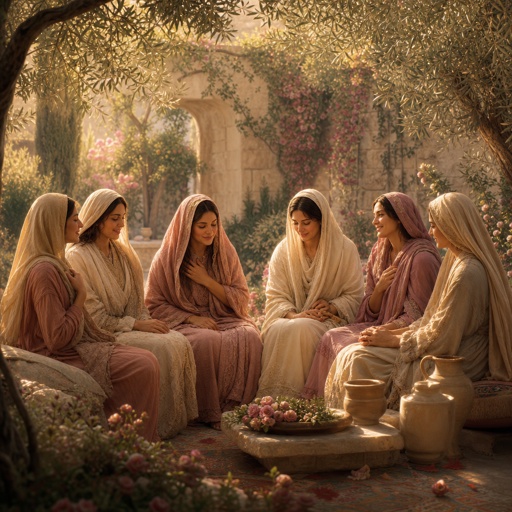
"And let the peace of God rule in your hearts, to the which also ye are called in one body; and be ye thankful." - Colossians 3:15

"And let the peace of God rule in your hearts, to the which also ye are called in one body; and be ye thankful." - Colossians 3:15

Colossians 3:5-15

Colossians 3:12-15

Colossians 3:3

Colossians 1:15-20

Colossians 1:15-20

Colossians 3:4

Colossians 3:2

Colossians 3:4

Colossians 3:13

Colossians 3:2

Colossians 3:4

Colossians 3:4

Colossians 3:4

Colossians 3:3 - "For ye are dead, and your life is hid with Christ in God."

Colossians 1:15 - "Who is the image of the invisible God, the firstborn of every creature:"

Colossians 4:15 - "Salute the brethren which are in Laodicea, and Nymphas, and the church which is in his house."

Colossians 2:3 - "In whom are hid all the treasures of wisdom and knowledge."

Colossians 3:2 - "Set your affection on things above, not on things on the earth."

Colossians 3:19 - "Husbands, love your wives, and be not bitter against them."

Colossians 3:21 - "Fathers, provoke not your children to anger, lest they be discouraged."

Colossians 3:6 - "For which things' sake the wrath of God cometh on the children of disobedience:"

Colossians 3:14 - "And above all these things put on charity, which is the bond of perfectness."

Colossians 2:15 - "And having spoiled principalities and powers, he made a shew of them openly, triumphing over them in it."

Colossians 3:23 - "And whatsoever ye do, do it heartily, as to the Lord, and not unto men;"

Colossians 3:18 - "Wives, submit yourselves unto your own husbands, as it is fit in the Lord."

"For ye are dead, and your life is hid with Christ in God." - Colossians 3:3

Colossians 3:7 - "In the which ye also walked some time, when ye lived in them."