What does Daniel 9:5 mean?
“We have sinned, and have committed iniquity, and have done wickedly, and have rebelled, even by departing from thy precepts and from thy judgments:” — Daniel 9:5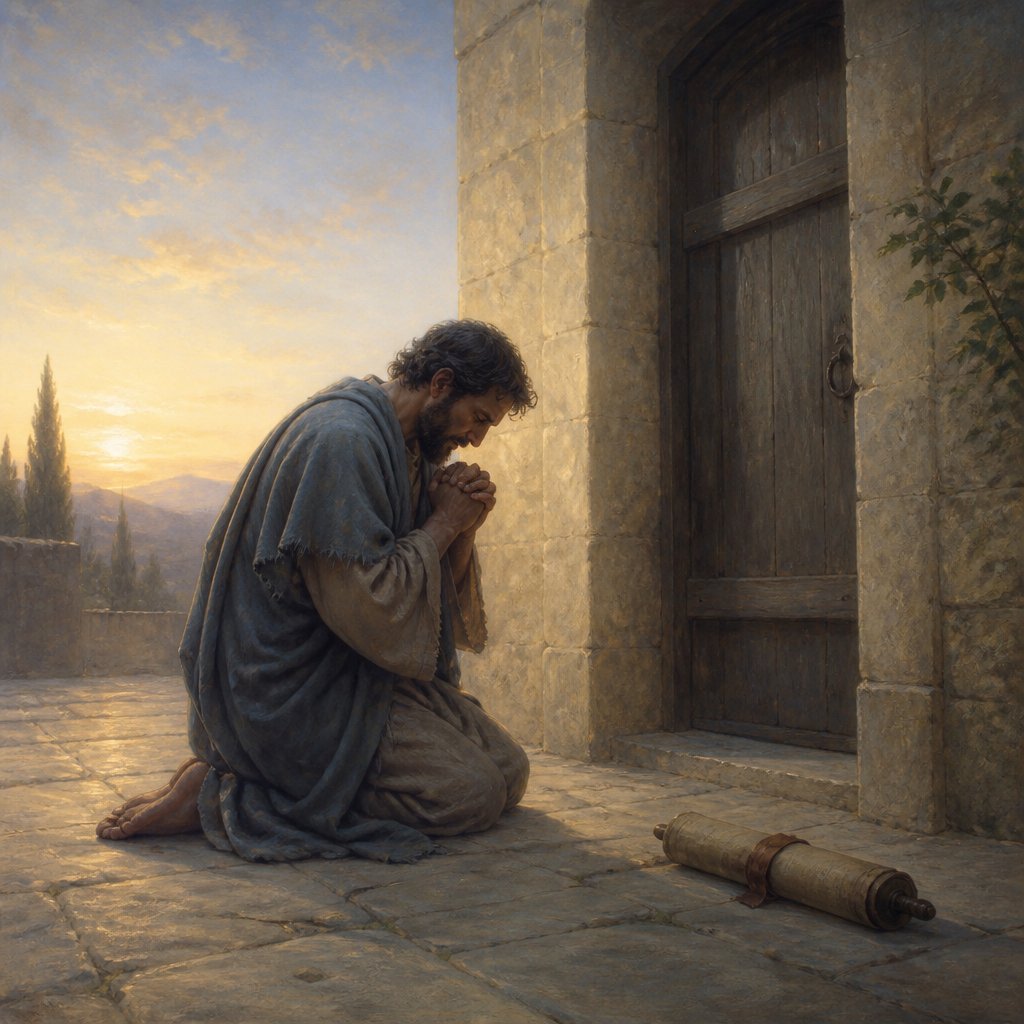
The verse Daniel 9:5 in the King James Version of the Bible reads: "We have sinned, and have committed iniquity, and have done wickedly, and have rebelled, even by departing from thy precepts and from thy judgments."
In order to fully understand the depth and significance of this verse, it is important to examine it within the context of the book of Daniel and the historical and cultural background in which it was written. The book of Daniel is set during the Babylonian exile, a period in which the Israelites were taken captive and removed from their homeland by the Babylonians. The exile was a time of great suffering and hardship for the Israelites, and it was in this context that the prophet Daniel received visions and messages from God.
In the verse preceding Daniel 9:5, Daniel is praying to God, confessing the sins of the Israelite people and pleading for God's mercy and forgiveness. In the verse that follows, Daniel acknowledges God's righteousness and the shame that the Israelites have brought upon themselves. This verse, therefore, represents a pivotal moment in Daniel's prayer, as he openly and honestly acknowledges the transgressions of his people before God.
The verse begins with the confession "We have sinned, and have committed iniquity, and have done wickedly, and have rebelled." This fourfold confession highlights the gravity and extent of the Israelites' sins. The use of multiple terms for sin emphasizes the depth of their transgressions and the seriousness of their departure from God's commandments. The Israelites are not simply guilty of making mistakes or falling short of God's standards; they are actively rebelling and turning away from God's will.
The verse then continues with the phrase "even by departing from thy precepts and from thy judgments." This confession emphasizes the specific nature of the Israelites' sins. They have not only strayed from God's general moral principles but have specifically rejected His commands and ordinances. This departure from God's precepts and judgments represents a deliberate and willful rejection of God's authority and a breaking of the covenant relationship between God and His people.
In this verse, we see the themes of sin, repentance, and God's justice at play. The Israelites recognize and confess their sins, acknowledging the severity of their transgressions and their need for God's forgiveness. This confession reflects a deep sense of humility and contrition, as the Israelites recognize their own moral failings and their dependence on God's mercy.
In addition to its spiritual significance, this verse also carries broader symbolic and theological implications. It serves as a reminder of the consequences of disobedience and the importance of honoring the covenant relationship with God. The verse also underscores the importance of confession and repentance in the process of seeking reconciliation with God.
Overall, Daniel 9:5 is a powerful and convicting verse that captures the depth of the Israelites' sin and their heartfelt plea for forgiveness. It serves as a poignant reminder of the human condition and the need for humility, repentance, and reliance on God's grace. This verse continues to hold spiritual and moral significance for believers today, inviting us to examine our own hearts and seek reconciliation with God.
Get our apps


Artwork for Daniel 9:5

Daniel 9:5 - "We have sinned, and have committed iniquity, and have done wickedly, and have rebelled, even by departing from thy precepts and from thy judgments:"

"We have sinned, and have committed iniquity, and have done wickedly, and have rebelled, even by departing from thy precepts and from thy judgments:" - Daniel 9:5

Daniel 5:9 - "Then was king Belshazzar greatly troubled, and his countenance was changed in him, and his lords were astonied."

daniel 5:5

Daniel 5:5

Daniel 1:9 - "Now God had brought Daniel into favour and tender love with the prince of the eunuchs."

Daniel 5:13 - "Then was Daniel brought in before the king. And the king spake and said unto Daniel, Art thou that Daniel, which art of the children of the captivity of Judah, whom the king my father brought out of Jewry?"

Daniel 1:9
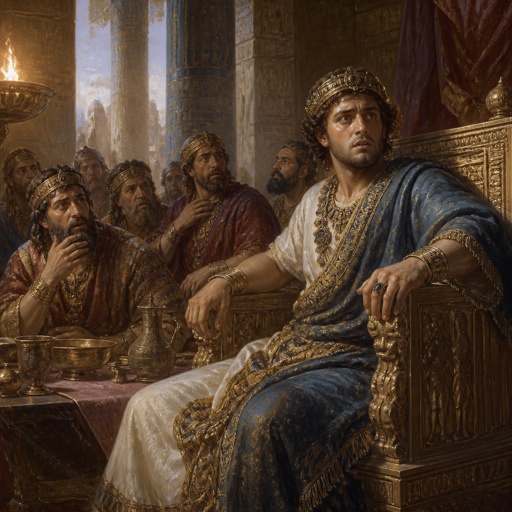
"Then was king Belshazzar greatly troubled, and his countenance was changed in him, and his lords were astonied." - Daniel 5:9

Daniel 10:5

Daniel 7:5

Daniel 7:5

Daniel 5:4

Daniel 12:9 - "And he said, Go thy way, Daniel: for the words are closed up and sealed till the time of the end."

Daniel 5:3

Daniel 7:5

Daniel 10:5

Daniel 7: 9-10

Daniel 7:9-10

Daniel 7:9-10

Daniel 7:9-10

Daniel 12:5 - "¶ Then I Daniel looked, and, behold, there stood other two, the one on this side of the bank of the river, and the other on that side of the bank of the river."

Daniel 9:22 - "And he informed me, and talked with me, and said, O Daniel, I am now come forth to give thee skill and understanding."

Daniel 9:9 - "To the Lord our God belong mercies and forgivenesses, though we have rebelled against him;"

Daniel 5:12 - "Forasmuch as an excellent spirit, and knowledge, and understanding, interpreting of dreams, and shewing of hard sentences, and dissolving of doubts, were found in the same Daniel, whom the king named Belteshazzar: now let Daniel be called, and he will shew the interpretation."

Daniel 6:5 - "Then said these men, We shall not find any occasion against this Daniel, except we find it against him concerning the law of his God."
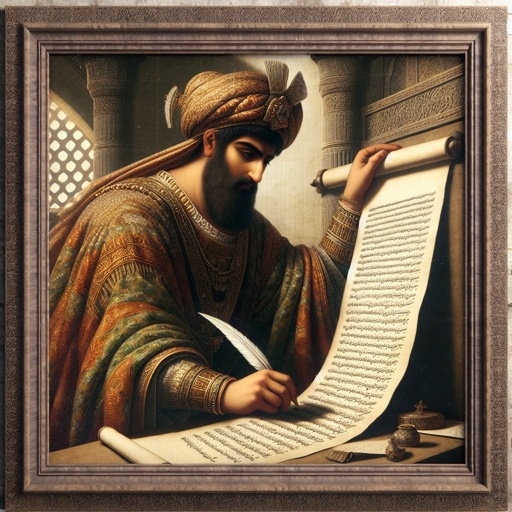
Daniel 6:9 - "Wherefore king Darius signed the writing and the decree."

Daniel 5:30 - "¶ In that night was Belshazzar the king of the Chaldeans slain."

Daniel 5:25 - "¶ And this is the writing that was written, MENE, MENE, TEKEL, UPHARSIN."

Daniel 5:29 - "Then commanded Belshazzar, and they clothed Daniel with scarlet, and put a chain of gold about his neck, and made a proclamation concerning him, that he should be the third ruler in the kingdom."