What does Deuteronomy 1:12 mean?
“How can I myself alone bear your cumbrance, and your burden, and your strife?” — Deuteronomy 1:12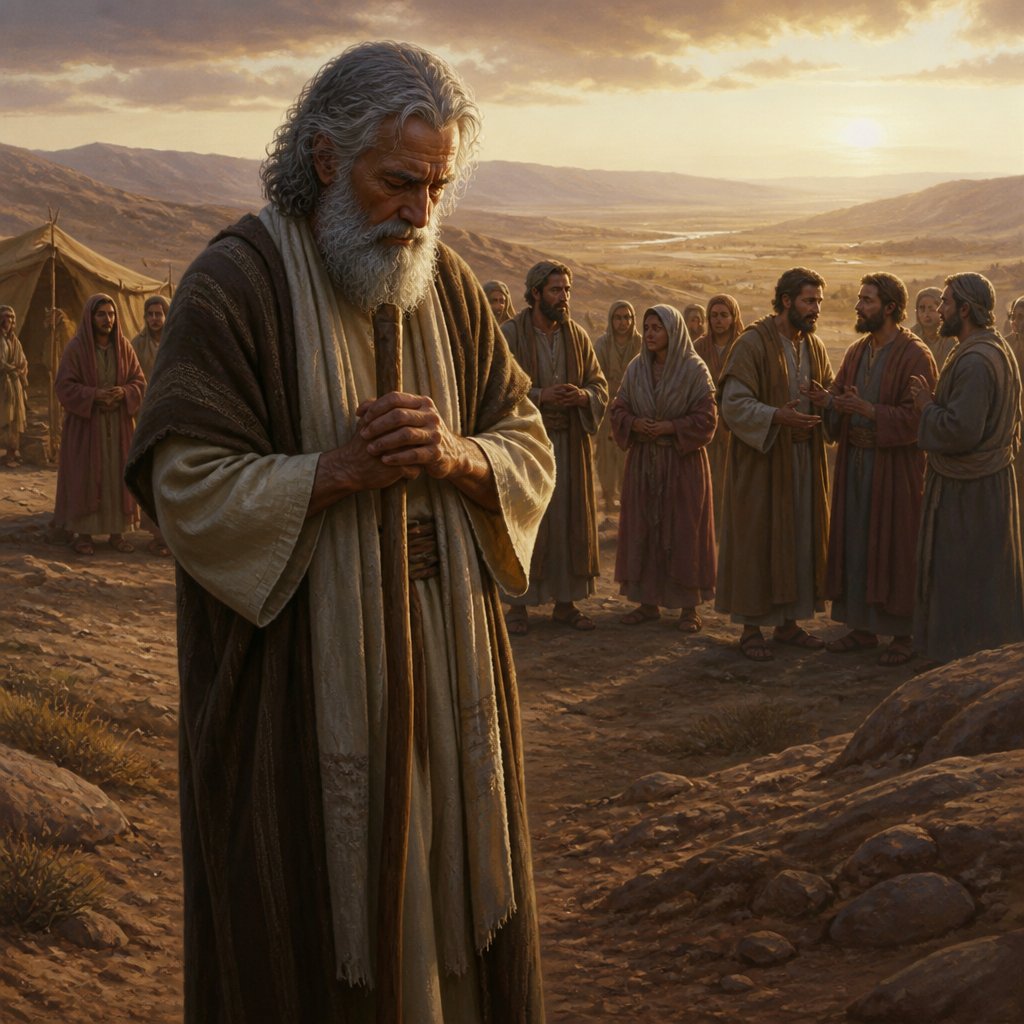
Deuteronomy 1:12 (KJV) states, "How can I myself alone bear your cumbrance, and your burden, and your strife?"
This verse comes from the book of Deuteronomy in the Old Testament of the Bible. In this passage, Moses is addressing the Israelites and expressing his concerns about the weight of responsibility he feels as their leader. The verse is part of a larger passage in which Moses is recounting the events that led to the Israelites' exodus from Egypt and their subsequent journey through the wilderness. Moses is preparing the Israelites to enter the Promised Land, but he is also recognizing the challenges that come with leading such a large and diverse group of people.
The theme of burden and responsibility is central to this verse. Moses, in his role as a leader, is feeling overwhelmed by the weight of the Israelites' needs and disputes. He is expressing his frustration and exasperation at being the sole bearer of their burdens. This verse reflects the human struggle of coping with the demands of leadership and the difficulty of navigating the challenges of governing a community.
The context of this verse is important for understanding its significance. In the preceding chapters of Deuteronomy, Moses is recounting the Israelites' history and reminding them of their covenant with God. He is also giving them instructions for how to live in accordance with God's law once they enter the Promised Land. In this context, Moses' words convey a sense of urgency and concern for the Israelites' future. He is acknowledging the realities of their journey and preparing them for the trials and tribulations they will face.
Symbolism is also present in this verse. The "cumbrance, and your burden, and your strife" can be seen as representative of the challenges and conflicts that the Israelites will encounter as they enter the Promised Land. These burdens can be interpreted as both physical and spiritual – the struggles of finding a new home and the need to remain faithful to God's commandments. By acknowledging the weight of these burdens, Moses is showing his humanity and empathy for the Israelites' plight.
Overall, Deuteronomy 1:12 addresses universal themes of leadership, responsibility, and the struggles of the human experience. The verse serves as a reminder that even the most revered leaders can feel overwhelmed by the demands of their role. It also emphasizes the importance of empathy and understanding in the face of adversity. In the broader context of the book of Deuteronomy, this verse sets the stage for the Israelites' journey into the Promised Land and underscores the challenges they will face as they strive to live in accordance with God's will.
Get our apps


Artwork for Deuteronomy 1:12

Deuteronomy 1:12 - "How can I myself alone bear your cumbrance, and your burden, and your strife?"
"How can I myself alone bear your cumbrance, and your burden, and your strife?" - Deuteronomy 1:12

Deuteronomy 1:2 - "(There are eleven days' journey from Horeb by the way of mount Seir unto Kadesh-barnea.)"
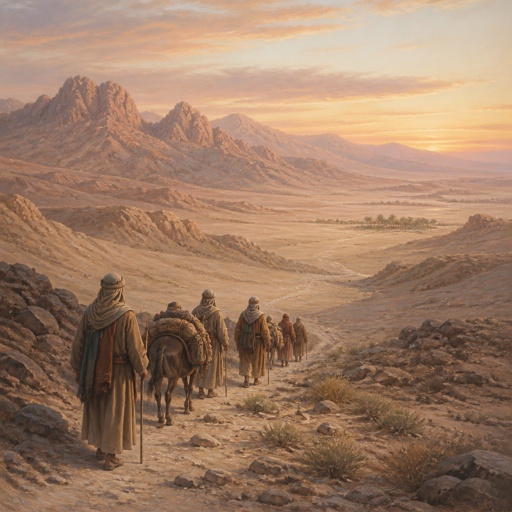
"(There are eleven days' journey from Horeb by the way of mount Seir unto Kadesh-barnea.)" - Deuteronomy 1:2

Deuteronomy 12:1 - "These are the statutes and judgments, which ye shall observe to do in the land, which the LORD God of thy fathers giveth thee to possess it, all the days that ye live upon the earth."

Deuteronomy 14:12 - "But these are they of which ye shall not eat: the eagle, and the ossifrage, and the ospray,"

Deuteronomy 24:12 - "And if the man be poor, thou shalt not sleep with his pledge:"

Deuteronomy 12:4 - "Ye shall not do so unto the LORD your God."

Hosea 1:2-11;2:14;3:5

Deuteronomy 12:24 - "Thou shalt not eat it; thou shalt pour it upon the earth as water."

Deuteronomy 32:12 - "So the LORD alone did lead him, and there was no strange god with him."

Deuteronomy 5:12 - "Keep the sabbath day to sanctify it, as the LORD thy God hath commanded thee."

Deuteronomy 20:12 - "And if it will make no peace with thee, but will make war against thee, then thou shalt besiege it:"

Deuteronomy 12:9 - "For ye are not as yet come to the rest and to the inheritance, which the LORD your God giveth you."

Deuteronomy 12:19 - "Take heed to thyself that thou forsake not the Levite as long as thou livest upon the earth."

Deuteronomy 12:16 - "Only ye shall not eat the blood; ye shall pour it upon the earth as water."

Deuteronomy 16:12 - "And thou shalt remember that thou wast a bondman in Egypt: and thou shalt observe and do these statutes."

Deuteronomy 34:12 - "And in all that mighty hand, and in all the great terror which Moses shewed in the sight of all Israel."

Deuteronomy 12:23 - "Only be sure that thou eat not the blood: for the blood is the life; and thou mayest not eat the life with the flesh."

Deuteronomy 12:13 - "Take heed to thyself that thou offer not thy burnt offerings in every place that thou seest:"

Deuteronomy 8:12 - "Lest when thou hast eaten and art full, and hast built goodly houses, and dwelt therein;"

Deuteronomy 23:12 - "¶ Thou shalt have a place also without the camp, whither thou shalt go forth abroad:"

Deuteronomy 22:12 - "¶ Thou shalt make thee fringes upon the four quarters of thy vesture, wherewith thou coverest thyself."

Deuteronomy 32:41

Deuteronomy 21:12 - "Then thou shalt bring her home to thine house; and she shall shave her head, and pare her nails;"

Deuteronomy 12:12 - "And ye shall rejoice before the LORD your God, ye, and your sons, and your daughters, and your menservants, and your maidservants, and the Levite that is within your gates; forasmuch as he hath no part nor inheritance with you."

Deuteronomy 6:12 - "Then beware lest thou forget the LORD, which brought thee forth out of the land of Egypt, from the house of bondage."

Deuteronomy 12:32 - "What thing soever I command you, observe to do it: thou shalt not add thereto, nor diminish from it."

Deuteronomy 12:22 - "Even as the roebuck and the hart is eaten, so thou shalt eat them: the unclean and the clean shall eat of them alike."

Deuteronomy 32:43