What does Deuteronomy 12:21 mean?
“If the place which the LORD thy God hath chosen to put his name there be too far from thee, then thou shalt kill of thy herd and of thy flock, which the LORD hath given thee, as I have commanded thee, and thou shalt eat in thy gates whatsoever thy soul lusteth after.” — Deuteronomy 12:21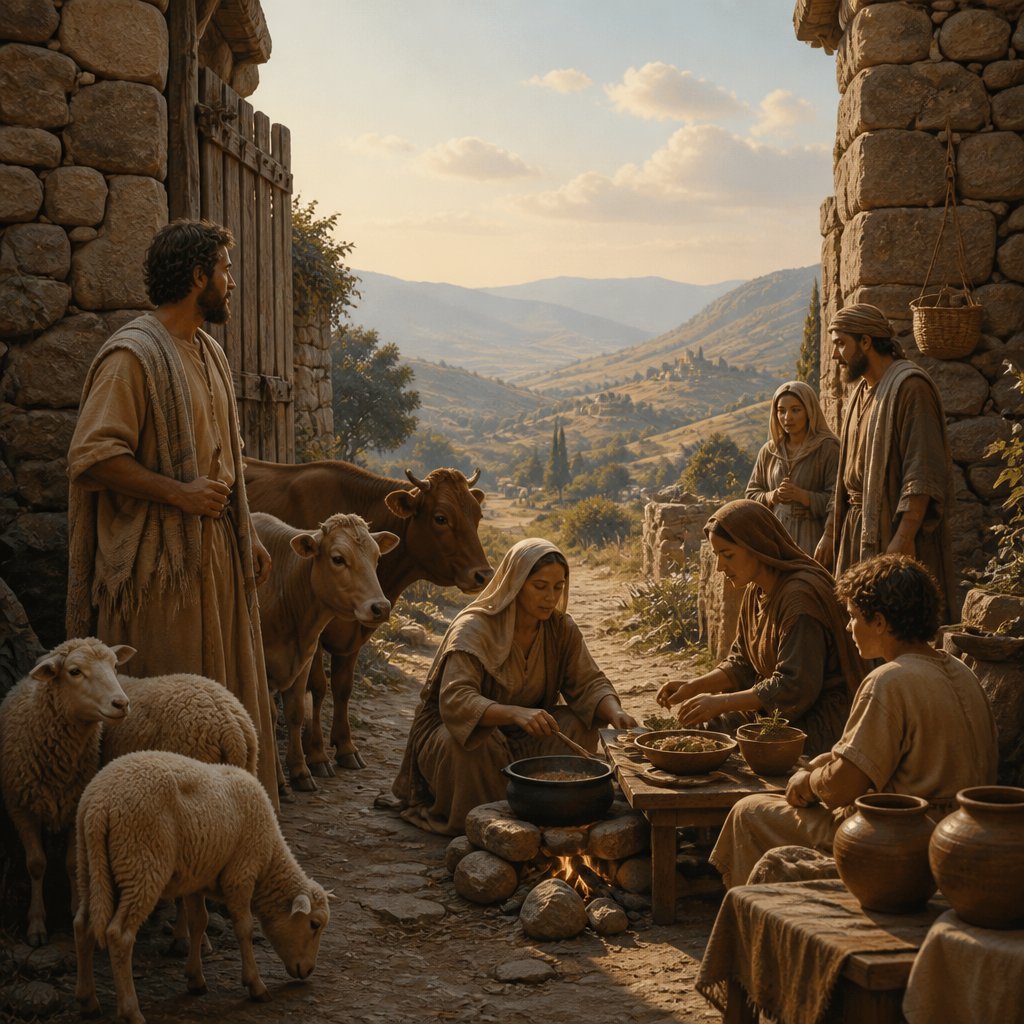
The Bible verse Deuteronomy 12:21 from the King James Version (KJV) reads, "If the place which the Lord thy God hath chosen to put his name there be too far from thee, then thou shalt kill of thy herd and of thy flock, which the Lord hath given thee, as I have commanded thee, and thou shalt eat in thy gates whatsoever thy soul lusteth after." This verse is part of a larger passage in the book of Deuteronomy which outlines the laws and regulations that the Israelites were to follow as they prepared to enter the Promised Land.
The broader context of Deuteronomy 12 emphasizes the importance of centralizing worship at a specific location, "the place which the Lord your God will choose out of all your tribes to put his name and make his habitation there" (Deuteronomy 12:5). This centralized place of worship would later be established as the temple in Jerusalem. In Deuteronomy 12:21, the verse specifically pertains to the situation where the chosen place of worship is too far for an individual to travel regularly. In such a case, the individual is instructed to slaughter their herd and flock and then eat the meat in their own town, as a form of worship, rather than making the journey to the central place of worship. This provision was a compassionate recognition of the practical challenges that some people would face in traveling long distances.
One of the key themes of this verse is obedience to God's commands. The verse emphasizes that the act of slaughtering the herd and flock was to be done "as I have commanded thee." This highlights the importance of following God's directives and fulfilling one's religious obligations as a form of devotion and obedience. It also underscores the idea that obedience involves honoring and respecting God's laws, even when faced with obstacles or challenges.
Another theme that can be drawn from this verse is the concept of worship and sacrifice. In ancient Israelite society, animal sacrifice was a central ritual in worship. By slaughtering their own herd and flock, the individual was making a sacrifice to God and participating in a form of worship. This act demonstrated the Israelites' commitment to their faith and their willingness to make offerings to God as a way of showing reverence and gratitude.
Symbolism is also present in this verse. The act of slaughtering the herd and flock symbolizes the Israelites' willingness to give up something of value to them in order to honor and worship God. It also symbolizes a form of sustenance and provision, as the meat from the animals would provide nourishment for the individual and their community. Symbolically, this act represents the idea of giving of oneself and making sacrifices in order to honor and serve God.
In a broader sense, this verse also points to the mercy and understanding of God. It acknowledges that not everyone would have the means to make the pilgrimage to the central place of worship, and provides an alternative means for these individuals to fulfill their religious obligations. This demonstrates a sense of compassion and accommodation on the part of God, who understands the limitations and challenges of his people and provides a way for them to remain faithful and obedient.
In conclusion, Deuteronomy 12:21 carries several layers of meaning and significance. It underscores the importance of obedience to God's commands, the act of worship and sacrifice, the symbolism of giving and provision, and the compassionate accommodation of God for his people. These themes and symbols highlight the depth and richness of the religious and ethical principles found in the Old Testament and continue to hold relevance for spiritual reflection and application today.
Get our apps


Artwork for Deuteronomy 12:21

Deuteronomy 12:21 - "If the place which the LORD thy God hath chosen to put his name there be too far from thee, then thou shalt kill of thy herd and of thy flock, which the LORD hath given thee, as I have commanded thee, and thou shalt eat in thy gates whatsoever thy soul lusteth after."
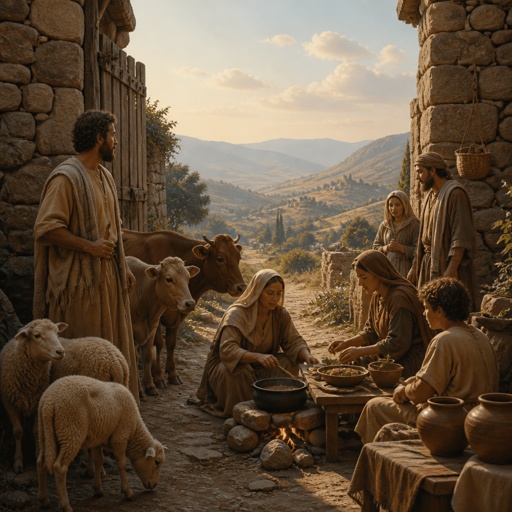
"If the place which the LORD thy God hath chosen to put his name there be too far from thee, then thou shalt kill of thy herd and of thy flock, which the LORD hath given thee, as I have commanded thee, and thou shalt eat in thy gates whatsoever thy soul lusteth after." - Deuteronomy 12:21

Deuteronomy 21:12 - "Then thou shalt bring her home to thine house; and she shall shave her head, and pare her nails;"

Matthew 2:1-2

Genesis 2:1-2

Genesis 2:1-2

Deuteronomy 1.1-21
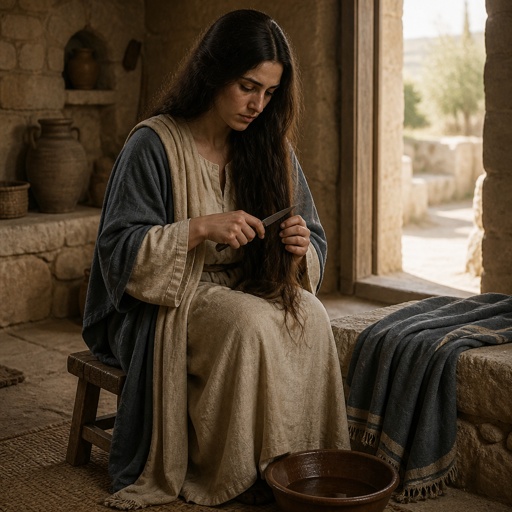
"Then thou shalt bring her home to thine house; and she shall shave her head, and pare her nails;" - Deuteronomy 21:12

Deuteronomy 27:21 - "Cursed be he that lieth with any manner of beast. And all the people shall say, Amen."

Deuteronomy 14:12 - "But these are they of which ye shall not eat: the eagle, and the ossifrage, and the ospray,"

Deuteronomy 24:12 - "And if the man be poor, thou shalt not sleep with his pledge:"

Proverbs 2:1-2 - "My son, if you accept my words and store up my commands within you, turning your ear to wisdom and applying your heart to understanding."

Deuteronomy 21:21 - "And all the men of his city shall stone him with stones, that he die: so shalt thou put evil away from among you; and all Israel shall hear, and fear."

Revelation 21:12

Genesis 21-12

Deuteronomy 12:4 - "Ye shall not do so unto the LORD your God."

Deuteronomy 7:21 - "Thou shalt not be affrighted at them: for the LORD thy God is among you, a mighty God and terrible."

Deuteronomy 18:21 - "And if thou say in thine heart, How shall we know the word which the LORD hath not spoken?"

Deuteronomy 21:7 - "And they shall answer and say, Our hands have not shed this blood, neither have our eyes seen it."

Deuteronomy 12:24 - "Thou shalt not eat it; thou shalt pour it upon the earth as water."

Deuteronomy 32:12 - "So the LORD alone did lead him, and there was no strange god with him."

Deuteronomy 21:22 - "¶ And if a man have committed a sin worthy of death, and he be to be put to death, and thou hang him on a tree:"

Deuteronomy 2:21 - "A people great, and many, and tall, as the Anakims; but the LORD destroyed them before them; and they succeeded them, and dwelt in their stead:"

Deuteronomy 21:6 - "And all the elders of that city, that are next unto the slain man, shall wash their hands over the heifer that is beheaded in the valley:"

Deuteronomy 5:12 - "Keep the sabbath day to sanctify it, as the LORD thy God hath commanded thee."

Deuteronomy 24:21 - "When thou gatherest the grapes of thy vineyard, thou shalt not glean it afterward: it shall be for the stranger, for the fatherless, and for the widow."

Deuteronomy 20:12 - "And if it will make no peace with thee, but will make war against thee, then thou shalt besiege it:"

Proverbs 15:1-2 - "1 A gentle answer turns away wrath, but a harsh word stirs up anger. 2 The tongue of the wise adorns knowledge, but the mouth of the fool gushes folly."

Nehemiah 12:21 - "Of Hilkiah, Hashabiah; of Jedaiah, Nethaneel."

Deuteronomy 12:9 - "For ye are not as yet come to the rest and to the inheritance, which the LORD your God giveth you."