What does Deuteronomy 12:26 mean?
“Only thy holy things which thou hast, and thy vows, thou shalt take, and go unto the place which the LORD shall choose:” — Deuteronomy 12:26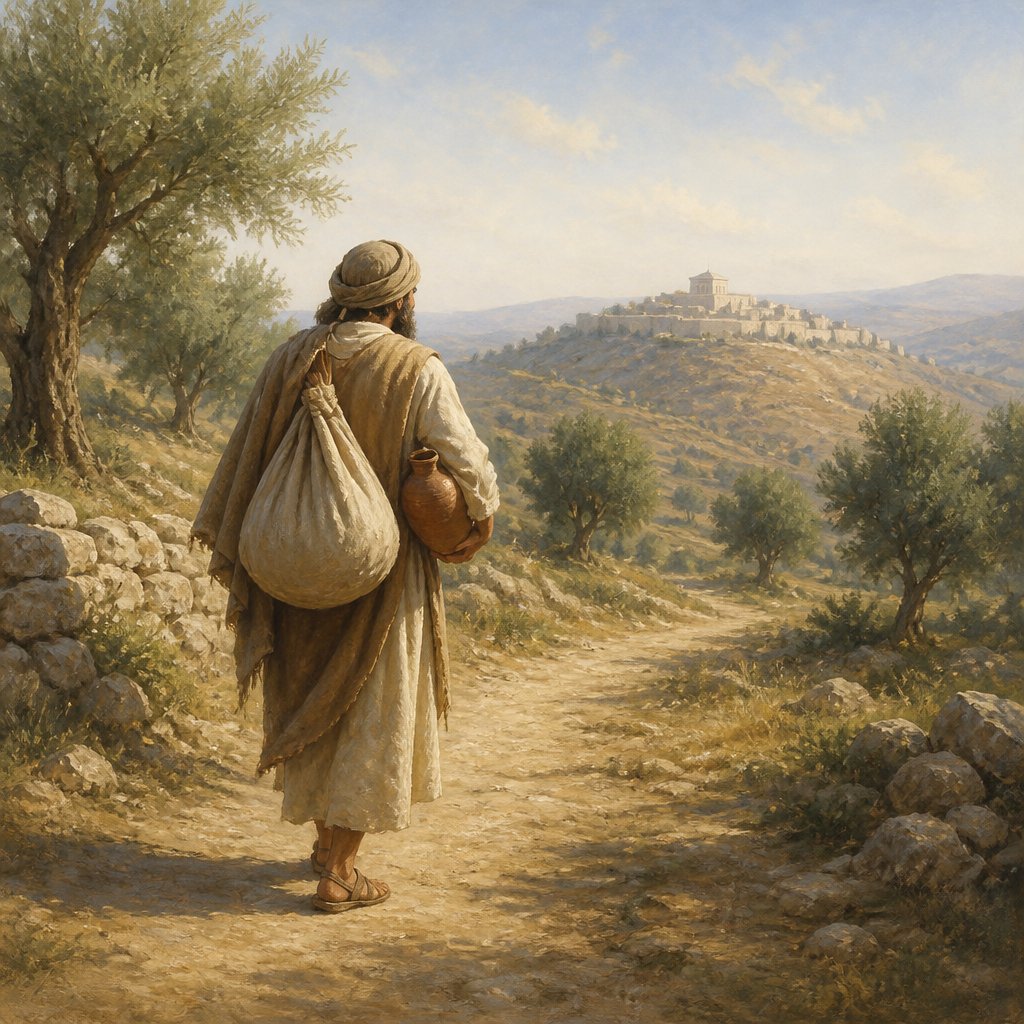
Deuteronomy 12:26 (KJV) says, "Only thy holy things which thou hast, and thy vows, thou shalt take, and go unto the place which the Lord shall choose."
This verse comes from the Book of Deuteronomy, which is the fifth book of the Hebrew Bible and the Christian Old Testament. It is part of the Torah, which is the central reference in Judaism. In the context of the broader narrative, the Book of Deuteronomy primarily contains a series of speeches delivered by Moses as the Israelites prepare to enter the Promised Land after their exodus from Egypt. The book is written as a series of instructions and laws meant to guide the Israelites in their new home.
At this point in the Book of Deuteronomy, Moses is instructing the Israelites on how to properly worship and serve the Lord in the land that they are about to enter. The verse reminds the people that they are to bring their holy offerings and vows to the place that the Lord has chosen for them. This serves as a reminder to the Israelites that their worship and devotion to God should not be scattered or disorganized, but rather centralized in the place that God has designated for them.
One of the key themes in this verse is the importance of honoring and upholding one's vows and commitments to God. In ancient Israelite society, making a vow or promise to God was a serious and binding commitment. This verse emphasizes the significance of fulfilling these vows and bringing one's offerings to the designated place of worship. It serves as a reminder to the Israelites that their relationship with God is based on faithfulness and obedience to His commands.
Additionally, the verse underscores the concept of holiness and sacredness in worship. The "holy things" referred to in the verse are the offerings and sacrifices that were set apart for God. By emphasizing the need to bring these holy things to the chosen place of worship, the verse highlights the importance of maintaining purity and reverence in the Israelites' worship practices.
The symbolic significance of this verse lies in its representation of the Israelites' journey towards spiritual discipline and obedience. It serves as a reminder that true worship and devotion to God require intentionality and a sense of sacredness. By bringing their holy things and vows to the designated place, the Israelites were demonstrating their commitment to honoring God and following His instructions.
In a broader theological context, this verse can also be seen as foreshadowing the coming of Jesus Christ as the ultimate fulfillment of God's chosen place for worship. In Christian theology, Jesus is often regarded as the new temple, the ultimate meeting place between God and humanity. This verse, then, can be interpreted as a precursor to the centralization of worship in Christ, who becomes the ultimate place chosen by God for the worship of all believers.
In conclusion, Deuteronomy 12:26 emphasizes the importance of honoring vows and bringing holy offerings to the chosen place of worship. The verse serves as a reminder of the significance of faithfulness and reverence in worship, and it symbolizes the Israelites' journey towards spiritual discipline and obedience. Furthermore, it can be interpreted in a broader theological context as a foreshadowing of the coming of Jesus Christ as the ultimate fulfillment of God's chosen place for worship.
Get our apps


Artwork for Deuteronomy 12:26

Deuteronomy 12:26 - "Only thy holy things which thou hast, and thy vows, thou shalt take, and go unto the place which the LORD shall choose:"
"Only thy holy things which thou hast, and thy vows, thou shalt take, and go unto the place which the LORD shall choose:" - Deuteronomy 12:26

Deuteronomy 26:12 - "¶ When thou hast made an end of tithing all the tithes of thine increase the third year, which is the year of tithing, and hast given it unto the Levite, the stranger, the fatherless, and the widow, that they may eat within thy gates, and be filled;"

Deuteronomy 26:4-10

Deuteronomy 26:4-10

Deuteronomy 11:26 - "¶ Behold, I set before you this day a blessing and a curse;"

Deuteronomy 26:6 - "And the Egyptians evil entreated us, and afflicted us, and laid upon us hard bondage:"

Genisis 26:12

Deuteronomy 1:26 - "Notwithstanding ye would not go up, but rebelled against the commandment of the LORD your God:"

Deuteronomy 27:26 - "Cursed be he that confirmeth not all the words of this law to do them. And all the people shall say, Amen."

Deuteronomy 2:26 - "¶ And I sent messengers out of the wilderness of Kedemoth unto Sihon king of Heshbon with words of peace, saying,"

Luke 12:25-26

Luke 12:25-26

Luke 12:25-26

Luke 12:25-26
Luke 12:25-26

Luke 12:25-26

Luke 12:25-26

Deuteronomy 26:9 - "And he hath brought us into this place, and hath given us this land, even a land that floweth with milk and honey."

Deuteronomy 26:8 - "And the LORD brought us forth out of Egypt with a mighty hand, and with an outstretched arm, and with great terribleness, and with signs, and with wonders:"

Deuteronomy 26:4 - "And the priest shall take the basket out of thine hand, and set it down before the altar of the LORD thy God."

Deuteronomy 31:26 - "Take this book of the law, and put it in the side of the ark of the covenant of the LORD your God, that it may be there for a witness against thee."

Deuteronomy 33:26 - "¶ There is none like unto the God of Jeshurun, who rideth upon the heaven in thy help, and in his excellency on the sky."

Deuteronomy 14:12 - "But these are they of which ye shall not eat: the eagle, and the ossifrage, and the ospray,"

Deuteronomy 24:12 - "And if the man be poor, thou shalt not sleep with his pledge:"

Deuteronomy 5:26 - "For who is there of all flesh, that hath heard the voice of the living God speaking out of the midst of the fire, as we have, and lived?"

Deuteronomy 29:26 - "For they went and served other gods, and worshipped them, gods whom they knew not, and whom he had not given unto them:"

Deuteronomy 12:4 - "Ye shall not do so unto the LORD your God."

Deuteronomy 28:26 - "And thy carcase shall be meat unto all fowls of the air, and unto the beasts of the earth, and no man shall fray them away."

Deuteronomy 32:26 - "I said, I would scatter them into corners, I would make the remembrance of them to cease from among men:"