What does Deuteronomy 12:8 mean?
“Ye shall not do after all the things that we do here this day, every man whatsoever is right in his own eyes.” — Deuteronomy 12:8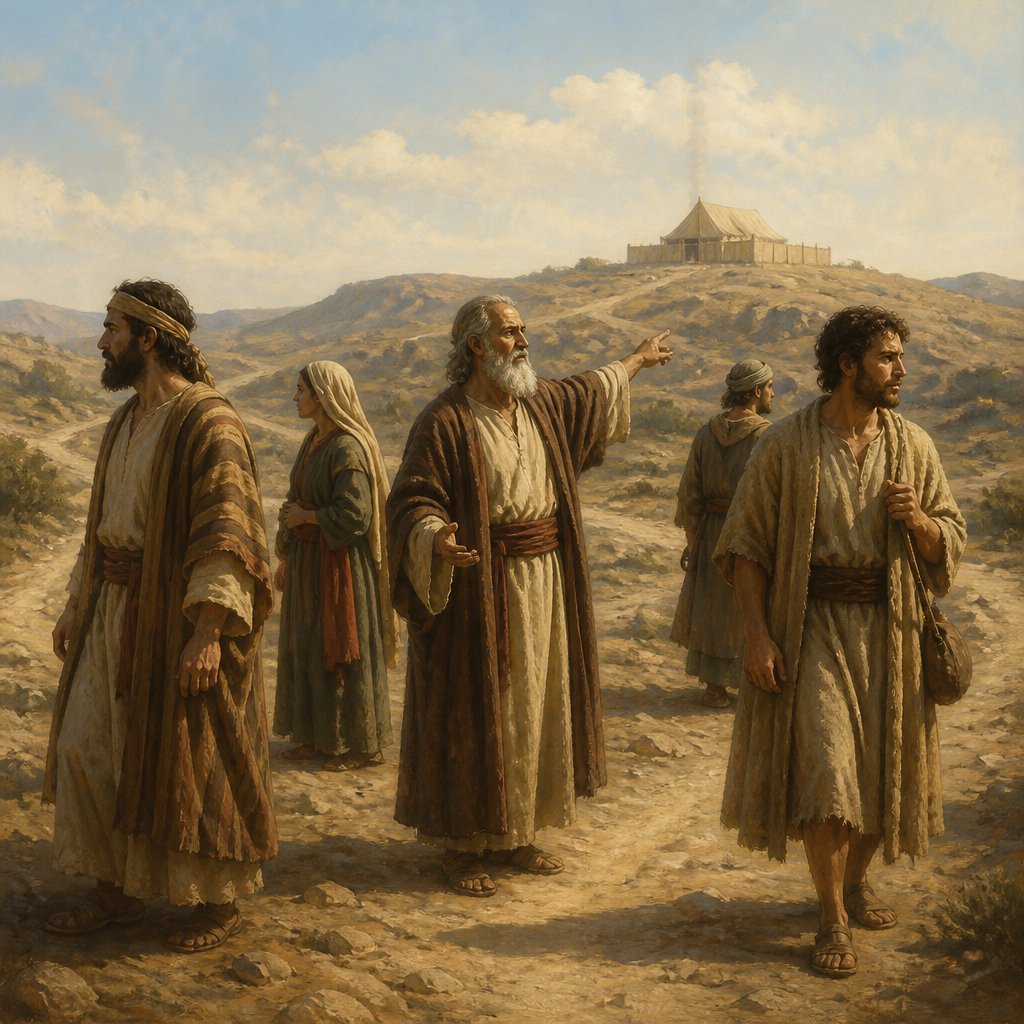
Deuteronomy 12:8 in the King James Version of the Bible reads, "Ye shall not do after all the things that we do here this day, every man whatsoever is right in his own eyes." This verse is part of a larger passage in the book of Deuteronomy that focuses on the regulations and instructions for worshiping God in the promised land. In order to fully understand the meaning and significance of this verse, it is important to consider its context within the broader themes of the book of Deuteronomy and the biblical narrative as a whole.
The book of Deuteronomy is often referred to as the "second law" or a reiteration of the laws given to the Israelites by God. It is attributed to Moses and is a call to obedience and loyalty to God as the Israelites prepare to enter the promised land. In this particular verse, Moses is instructing the Israelites not to follow the practices of the people inhabiting the land they are about to possess, but rather to adhere to the commandments and laws given to them by God.
The verse begins with the admonition, "Ye shall not do after all the things that we do here this day," which can be understood as a warning against adopting the customs and traditions of the indigenous peoples of the land. Throughout the book of Deuteronomy, there is a consistent emphasis on the uniqueness and superiority of the Israelites' God, and the importance of remaining faithful to His laws and commandments in the face of the temptation to assimilate with the surrounding cultures.
The latter part of the verse states, "every man whatsoever is right in his own eyes," which implies that the Israelites must not rely on their own understanding or moral compass when determining how to worship God. Instead, they are to follow the specific instructions and laws given to them by God through Moses. This commandment to avoid following one's own inclinations or desires is repeated throughout the book of Deuteronomy, emphasizing the importance of obedience and submission to God's will.
The broader thematic implications of this verse are significant and resonate throughout the entirety of the biblical narrative. The concept of obeying and adhering to God's commandments as a means of maintaining the covenant between God and His people is a central theme in the Old Testament. This verse serves as a reminder of the dangers of moral relativism and the consequences of abandoning the exclusive worship and devotion to the one true God.
Additionally, the verse reflects the tension between the Israelites' role as a chosen and distinct people, set apart from the surrounding nations, and the temptation to conform to the practices and beliefs of those nations. This tension is a recurring theme in the Old Testament, as the Israelites navigate their identity as God's chosen people while living among and interacting with other cultures.
In terms of symbolism, the verse can be seen as a representation of the ongoing struggle between the human inclination towards self-determination and the divine imperative to submit to God's authority. It serves as a reminder of the need for humility, obedience, and discernment in the pursuit of righteousness. The rejection of moral relativism and the insistence on adherence to God's absolute truth is a foundational aspect of the Judeo-Christian worldview, and this verse encapsulates that principle.
In conclusion, Deuteronomy 12:8 is a pivotal verse within the larger narrative of the book of Deuteronomy and the biblical canon as a whole. It addresses the Israelites' need to remain faithful to God's commandments and resist the influence of the surrounding cultures, while emphasizing the importance of obedience and submission to God's will. The verse serves as a timeless reminder of the dangers of moral relativism and the steadfastness required in maintaining a covenantal relationship with God. Its theological, moral, and ethical implications continue to be relevant and impactful for believers today.
Get our apps


Artwork for Deuteronomy 12:8

Deuteronomy 12:8 - "Ye shall not do after all the things that we do here this day, every man whatsoever is right in his own eyes."

"Ye shall not do after all the things that we do here this day, every man whatsoever is right in his own eyes." - Deuteronomy 12:8

Deuteronomy 8:12 - "Lest when thou hast eaten and art full, and hast built goodly houses, and dwelt therein;"

"Lest when thou hast eaten and art full, and hast built goodly houses, and dwelt therein;" - Deuteronomy 8:12

deuteronomy 31 8

Deuteronomy 31:8

Deuteronomy 8:8 - "A land of wheat, and barley, and vines, and fig trees, and pomegranates; a land of oil olive, and honey;"

Deuteronomy 14:12 - "But these are they of which ye shall not eat: the eagle, and the ossifrage, and the ospray,"

Deuteronomy 24:12 - "And if the man be poor, thou shalt not sleep with his pledge:"

Deuteronomy 12:4 - "Ye shall not do so unto the LORD your God."

Deuteronomy 12:24 - "Thou shalt not eat it; thou shalt pour it upon the earth as water."

Deuteronomy 32:12 - "So the LORD alone did lead him, and there was no strange god with him."

Deuteronomy 23:8 - "The children that are begotten of them shall enter into the congregation of the LORD in their third generation."

Deuteronomy 5:12 - "Keep the sabbath day to sanctify it, as the LORD thy God hath commanded thee."

Deuteronomy 20:12 - "And if it will make no peace with thee, but will make war against thee, then thou shalt besiege it:"

Deuteronomy 27:8 - "And thou shalt write upon the stones all the words of this law very plainly."

Deuteronomy 12:9 - "For ye are not as yet come to the rest and to the inheritance, which the LORD your God giveth you."

Deuteronomy 12:19 - "Take heed to thyself that thou forsake not the Levite as long as thou livest upon the earth."

Deuteronomy 12:16 - "Only ye shall not eat the blood; ye shall pour it upon the earth as water."

Deuteronomy 18:8 - "They shall have like portions to eat, beside that which cometh of the sale of his patrimony."

Deuteronomy 16:12 - "And thou shalt remember that thou wast a bondman in Egypt: and thou shalt observe and do these statutes."

Deuteronomy 29:8 - "And we took their land, and gave it for an inheritance unto the Reubenites, and to the Gadites, and to the half tribe of Manasseh."

Deuteronomy 34:12 - "And in all that mighty hand, and in all the great terror which Moses shewed in the sight of all Israel."

Deuteronomy 12:23 - "Only be sure that thou eat not the blood: for the blood is the life; and thou mayest not eat the life with the flesh."

Deuteronomy 1:12 - "How can I myself alone bear your cumbrance, and your burden, and your strife?"

Deuteronomy 12:13 - "Take heed to thyself that thou offer not thy burnt offerings in every place that thou seest:"

Deuteronomy 23:12 - "¶ Thou shalt have a place also without the camp, whither thou shalt go forth abroad:"
John 8:12

John 8:12

John 8:12