What does Deuteronomy 12:17 mean?
“Thou mayest not eat within thy gates the tithe of thy corn, or of thy wine, or of thy oil, or the firstlings of thy herds or of thy flock, nor any of thy vows which thou vowest, nor thy freewill offerings, or heave offering of thine hand:” — Deuteronomy 12:17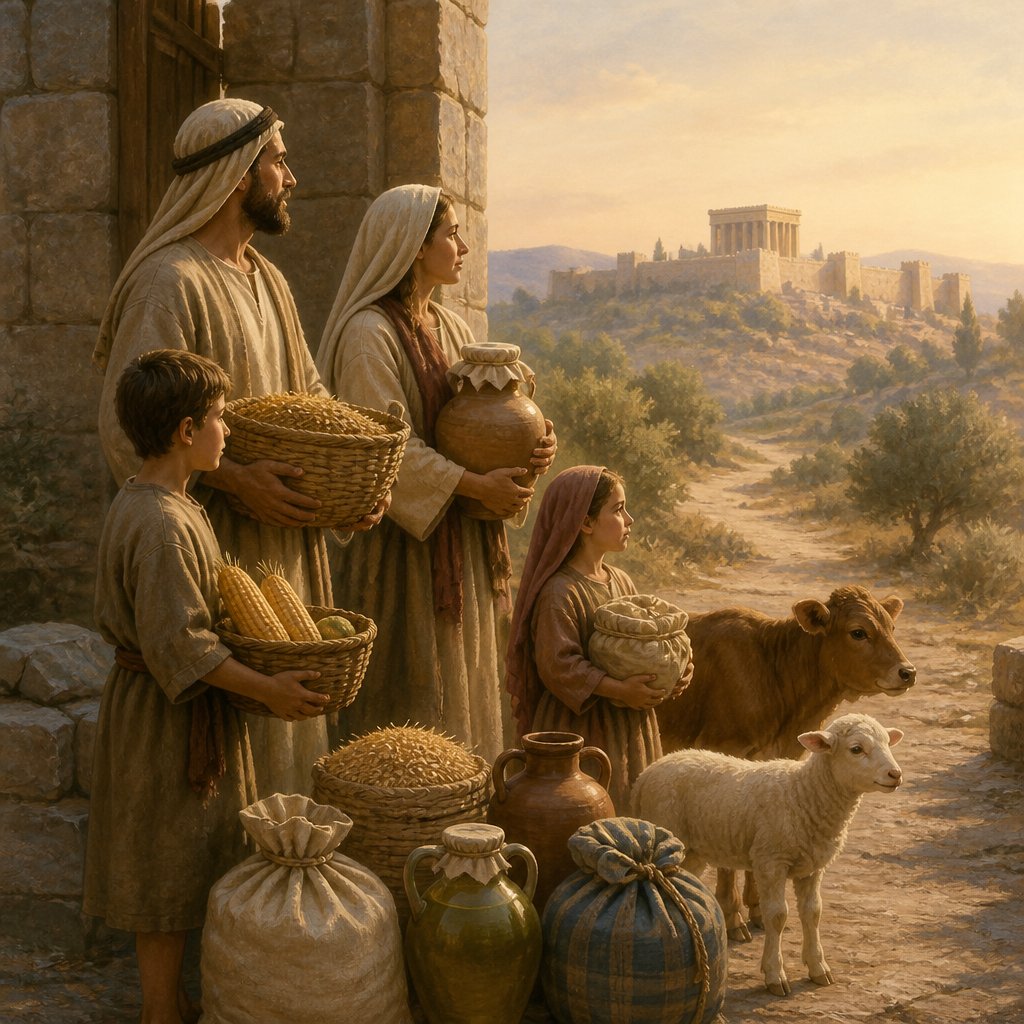
Deuteronomy 12:17 from the King James Version of the Bible states, "Thou mayest not eat within thy gates the tithe of thy corn, or of thy wine, or of thy oil, or the firstlings of thy herds or of thy flock, nor any of thy vows which thou vowest, nor thy freewill offerings, or heave offering of thine hand."
This verse comes from the book of Deuteronomy, which is the fifth book of the Hebrew Bible and of the Old Testament. It is part of the Torah, the first five books of the Hebrew Bible, which are also considered the foundational texts of the Christian Bible. Deuteronomy is a continuation of the laws and commandments given to the Israelites by God through Moses. It primarily consists of a series of speeches given by Moses to the Israelites as they prepare to enter the Promised Land.
In this verse, the Israelites are commanded not to eat certain designated offerings within their own gates. These offerings include the tithe of their corn, wine, and oil, along with the firstlings of their herds and flocks, and any vows, freewill offerings, or heave offerings. This commandment is a part of the larger framework of laws given to the Israelites regarding proper worship and offerings to God.
One of the key themes in this verse is the concept of stewardship and proper worship. The Israelites are instructed to give a portion of their crops, herds, and flocks as offerings to God, and they are also given specific guidelines on how to do this. By requiring that certain offerings are not to be eaten within their gates, this verse emphasizes the importance of treating these offerings with respect and reverence. It reinforces the idea that these offerings are holy and set apart for God, and should not be treated casually or carelessly.
Another important theme in this verse is obedience to God's commandments. Throughout the book of Deuteronomy, Moses repeatedly emphasizes the need for the Israelites to obey God's laws and commandments. This verse is an example of one of the specific commandments given to the Israelites, and it serves as a reminder of their obligation to follow God's instructions in every aspect of their lives.
The context of this verse is also significant in understanding its meaning. The Israelites had been wandering in the wilderness for forty years, and they were on the cusp of entering the Promised Land. As they prepared to settle in this new land, they were given a renewed set of laws and commandments to govern their behavior and worship. This verse is part of that larger body of laws, and it serves as a reminder of the proper way to handle their offerings and fulfill their obligations to God.
In addition to its literal meaning and themes, this verse also has symbolic significance. The offerings mentioned in this verse represent the Israelites' gratitude and devotion to God. By giving a portion of their crops and herds as offerings, the Israelites were acknowledging God's provision and sovereignty in their lives. This act of giving also served as a way for the Israelites to express their faith and trust in God's continued care for them as they entered the Promised Land.
In conclusion, Deuteronomy 12:17 is a verse that emphasizes the importance of proper worship and obedience to God's commandments. It is part of a larger body of laws given to the Israelites as they prepared to enter the Promised Land, and it serves as a reminder of their responsibility to honor God with their offerings and vows. This verse also symbolizes the Israelites' gratitude and faith in God's provision for them. Overall, it is a powerful reminder of the need for reverence and obedience in our relationship with God.
Get our apps


Artwork for Deuteronomy 12:17
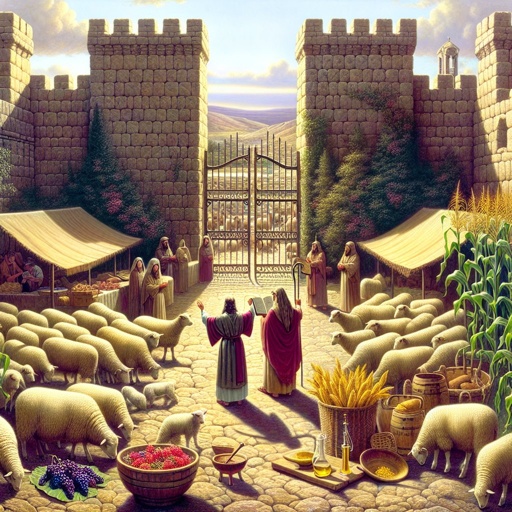
Deuteronomy 12:17 - "¶ Thou mayest not eat within thy gates the tithe of thy corn, or of thy wine, or of thy oil, or the firstlings of thy herds or of thy flock, nor any of thy vows which thou vowest, nor thy freewill offerings, or heave offering of thine hand:"
"¶ Thou mayest not eat within thy gates the tithe of thy corn, or of thy wine, or of thy oil, or the firstlings of thy herds or of thy flock, nor any of thy vows which thou vowest, nor thy freewill offerings, or heave offering of thine hand:" - Deuteronomy 12:17

Deuteronomy 17:12 - "And the man that will do presumptuously, and will not hearken unto the priest that standeth to minister there before the LORD thy God, or unto the judge, even that man shall die: and thou shalt put away the evil from Israel."

Deuteronomy 5:17 - "Thou shalt not kill."

Deuteronomy 14:17 - "And the pelican, and the gier eagle, and the cormorant,"

Deuteronomy 2:17 - "That the LORD spake unto me, saying,"

Deuteronomy 28:17 - "Cursed shall be thy basket and thy store."

"Thou shalt not kill." - Deuteronomy 5:17

Deuteronomy 23:17 - "¶ There shall be no whore of the daughters of Israel, nor a sodomite of the sons of Israel."

Deuteronomy 17:13 - "And all the people shall hear, and fear, and do no more presumptuously."

Deuteronomy 17:17 - "Neither shall he multiply wives to himself, that his heart turn not away: neither shall he greatly multiply to himself silver and gold."

Deuteronomy 4:17 - "The likeness of any beast that is on the earth, the likeness of any winged fowl that flieth in the air,"

"And the pelican, and the gier eagle, and the cormorant," - Deuteronomy 14:17

Deuteronomy 18:17 - "And the LORD said unto me, They have well spoken that which they have spoken."

Deuteronomy 14:12 - "But these are they of which ye shall not eat: the eagle, and the ossifrage, and the ospray,"

Deuteronomy 24:12 - "And if the man be poor, thou shalt not sleep with his pledge:"

Deuteronomy 12:4 - "Ye shall not do so unto the LORD your God."

Deuteronomy 27:17 - "Cursed be he that removeth his neighbour's landmark. And all the people shall say, Amen."

Genesis 17-12

"That the LORD spake unto me, saying," - Deuteronomy 2:17

Deuteronomy 24:17 - "¶ Thou shalt not pervert the judgment of the stranger, nor of the fatherless; nor take a widow's raiment to pledge:"

Deuteronomy 12:24 - "Thou shalt not eat it; thou shalt pour it upon the earth as water."

Deuteronomy 32:12 - "So the LORD alone did lead him, and there was no strange god with him."

Deuteronomy 29:17 - "And ye have seen their abominations, and their idols, wood and stone, silver and gold, which were among them:)"

Deuteronomy 8:17 - "And thou say in thine heart, My power and the might of mine hand hath gotten me this wealth."

Deuteronomy 5:12 - "Keep the sabbath day to sanctify it, as the LORD thy God hath commanded thee."

Deuteronomy 20:12 - "And if it will make no peace with thee, but will make war against thee, then thou shalt besiege it:"

Deuteronomy 25:17 - "¶ Remember what Amalek did unto thee by the way, when ye were come forth out of Egypt;"

Deuteronomy 7:17 - "If thou shalt say in thine heart, These nations are more than I; how can I dispossess them?"

Deuteronomy 17:4 - "And it be told thee, and thou hast heard of it, and enquired diligently, and, behold, it be true, and the thing certain, that such abomination is wrought in Israel:"