What does Deuteronomy 14:16 mean?
“The little owl, and the great owl, and the swan,” — Deuteronomy 14:16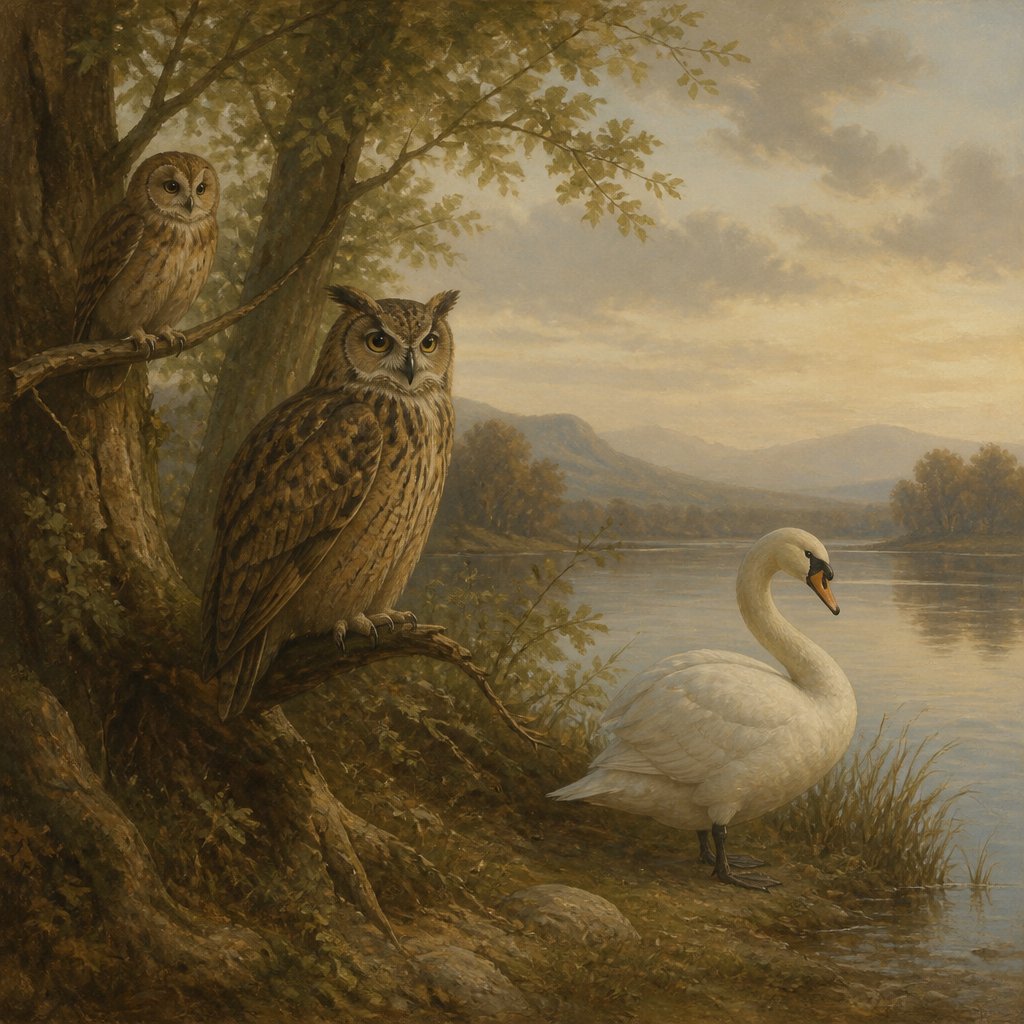
Deuteronomy 14:16 – "The little owl, and the great owl, and the swan," (KJV)
In the Book of Deuteronomy, Moses repeats the Law to the Israelites, reaffirming God's covenant with His people before they enter the Promised Land. This verse is part of a larger passage in which Moses outlines the dietary laws for the Israelites, instructing them on what animals are clean and unclean for consumption. The verse specifically lists three birds, the little owl, the great owl, and the swan, that are considered unclean and therefore not to be eaten by the people of Israel.
In order to fully understand the meaning and significance of this verse, it is important to explore several key aspects, including the context, the symbolism, and the themes present in Deuteronomy 14:16.
Context:
The context of this verse is essential for understanding its significance in the larger narrative of the Book of Deuteronomy. The dietary laws outlined in this passage are part of a broader system of regulations that governed every aspect of Israelite life, including their worship, their social interactions, and their diet. These laws were intended to set the Israelites apart from the surrounding nations and to maintain their holiness as the chosen people of God.
In addition, the specific mention of the little owl, the great owl, and the swan in this verse is a reflection of the unique natural environment of the land of Canaan, where the Israelites were about to enter. These birds were likely common in the region, and by forbidding their consumption, God was communicating His desire for His people to remain distinct from the pagan practices of the surrounding cultures.
Symbolism:
The prohibition against eating certain birds in this verse holds symbolic significance beyond its practical application. In the Bible, birds are often used as symbols of spiritual truths, and their inclusion in the dietary laws serves as a means of instilling greater spiritual awareness and discipline in the Israelites.
The specific birds mentioned in this verse, the little owl, the great owl, and the swan, may have also held symbolic significance in the cultural and religious practices of the surrounding pagan nations. By forbidding the consumption of these birds, God was prohibiting His people from participating in the idolatrous customs and rituals of their neighbors, reinforcing the importance of their exclusive allegiance to Him.
Themes:
Several themes can be gleaned from Deuteronomy 14:16, including the themes of holiness, obedience, and separation. The dietary laws outlined in this verse were designed to foster holiness and purity among the Israelites, reminding them of their unique calling as God's chosen people. By adhering to these regulations, the Israelites demonstrated their obedience to God's commands and their commitment to living in accordance with His will.
Furthermore, the prohibition against eating certain birds emphasized the theme of separation, underscoring the imperative for the Israelites to maintain a clear distinction between themselves and the surrounding nations. This theme of separation is woven throughout the Old Testament as a foundational principle of Israelite identity and faithfulness to God.
In conclusion, Deuteronomy 14:16 serves as a reminder of the importance of obedience, holiness, and separation in the lives of God's people. By understanding the context, symbolism, and themes present in this verse, we can gain a deeper appreciation for the wisdom and intention behind God's dietary laws and their relevance for spiritual growth and obedience.
Get our apps


Artwork for Deuteronomy 14:16

Deuteronomy 14:16 - "The little owl, and the great owl, and the swan,"

"The little owl, and the great owl, and the swan," - Deuteronomy 14:16

Deuteronomy 16:14 - "And thou shalt rejoice in thy feast, thou, and thy son, and thy daughter, and thy manservant, and thy maidservant, and the Levite, the stranger, and the fatherless, and the widow, that are within thy gates."

Deuteronomy 14:14 - "And every raven after his kind,"

Deuteronomy 20:16

Deuteronomy 20:16

Deuteronomy 20:16

Deuteronomy 14:17 - "And the pelican, and the gier eagle, and the cormorant,"

"And every raven after his kind," - Deuteronomy 14:14

Deuteronomy 10:16 - "Circumcise therefore the foreskin of your heart, and be no more stiffnecked."

Deuteronomy 14:3 - "¶ Thou shalt not eat any abominable thing."

Deuteronomy 14:11 - "¶ Of all clean birds ye shall eat."

Deuteronomy 14:20 - "But of all clean fowls ye may eat."

Deuteronomy 14:13 - "And the glede, and the kite, and the vulture after his kind,"

Deuteronomy 28:16 - "Cursed shalt thou be in the city, and cursed shalt thou be in the field."

Deuteronomy 14:18 - "And the stork, and the heron after her kind, and the lapwing, and the bat."

Deuteronomy 14:12 - "But these are they of which ye shall not eat: the eagle, and the ossifrage, and the ospray,"

Deuteronomy 14:15 - "And the owl, and the night hawk, and the cuckow, and the hawk after his kind,"

Deuteronomy 29:14 - "Neither with you only do I make this covenant and this oath;"

Deuteronomy 14:4 - "These are the beasts which ye shall eat: the ox, the sheep, and the goat,"

Deuteronomy 32:16 - "They provoked him to jealousy with strange gods, with abominations provoked they him to anger."

Deuteronomy 14:19 - "And every creeping thing that flieth is unclean unto you: they shall not be eaten."

Deuteronomy 25:14 - "Thou shalt not have in thine house divers measures, a great and a small."

Deuteronomy 6:16 - "¶ Ye shall not tempt the LORD your God, as ye tempted him in Massah."

Genesis 16:14

John 14:16

"And the pelican, and the gier eagle, and the cormorant," - Deuteronomy 14:17

Deuteronomy 27:14 - "¶ And the Levites shall speak, and say unto all the men of Israel with a loud voice,"

Deuteronomy 14:10 - "And whatsoever hath not fins and scales ye may not eat; it is unclean unto you."

Deuteronomy 14:5 - "The hart, and the roebuck, and the fallow deer, and the wild goat, and the pygarg, and the wild ox, and the chamois."