What does Deuteronomy 14:2 mean?
“For thou art an holy people unto the LORD thy God, and the LORD hath chosen thee to be a peculiar people unto himself, above all the nations that are upon the earth.” — Deuteronomy 14:2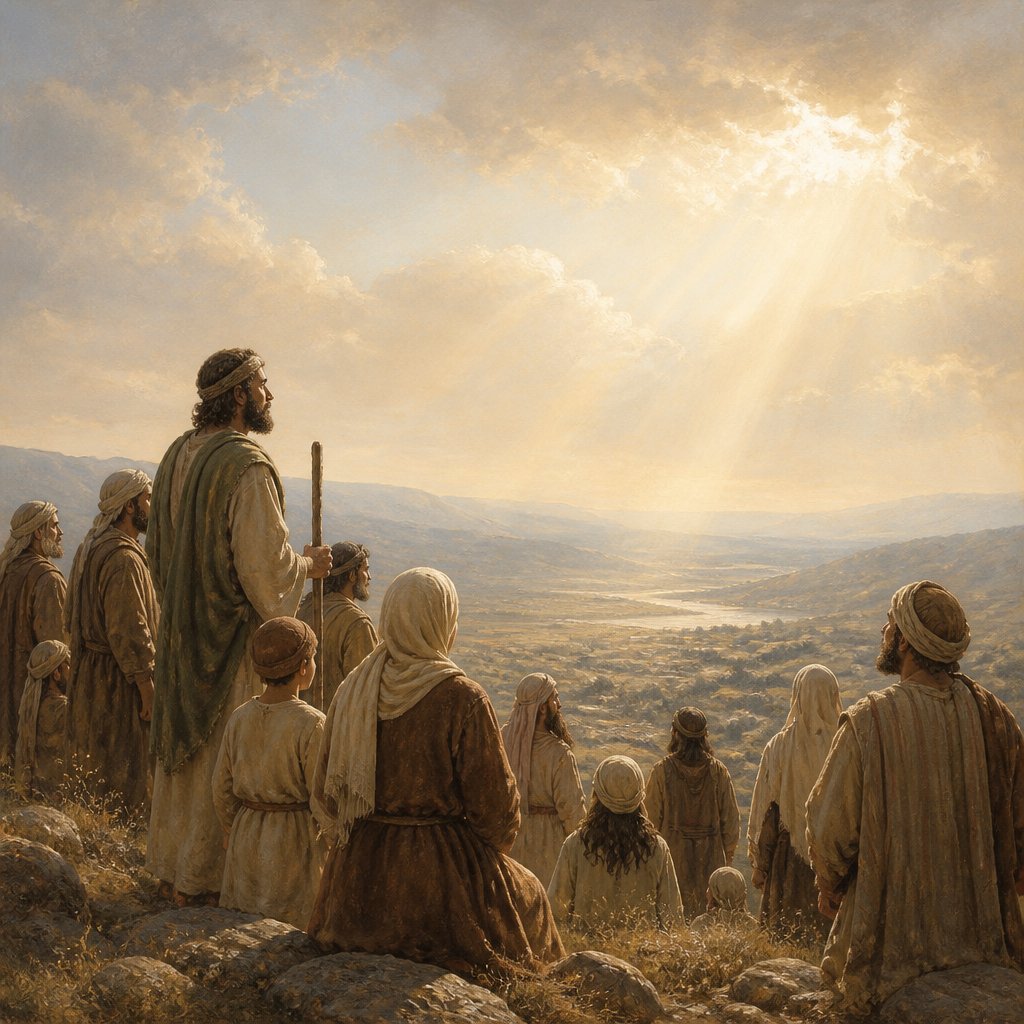
Deuteronomy 14:2 (KJV) states: "For thou art an holy people unto the Lord thy God, and the Lord hath chosen thee to be a peculiar people unto himself, above all the nations that are upon the earth."
This verse comes from the Book of Deuteronomy, which is the fifth book of the Hebrew Bible and the Christian Old Testament. The Book of Deuteronomy is attributed to Moses, and it contains the final words of Moses to the Israelites before they enter the Promised Land. The verse is part of a larger passage in which Moses instructs the Israelites on various laws and commandments, including those related to the clean and unclean animals, tithing, and the three annual festivals.
In Deuteronomy 14:2, Moses reminds the Israelites of their special relationship with God. They are described as "holy" and "peculiar" (meaning special or unique) people whom the Lord has chosen above all other nations. This verse reflects the idea of the Israelites as God's chosen people, a concept that is central to the theology of the Hebrew Bible and has profound implications for the Jewish faith.
The theme of chosenness is a recurring motif in the Hebrew Bible, and it is closely tied to the concept of covenant. In the Book of Genesis, God makes a covenant with the patriarch Abraham, promising to make his descendants into a great nation and to give them the land of Canaan as their inheritance. Throughout the Hebrew Bible, God reaffirms this covenant with Abraham's descendants and emphasizes their special status as the chosen people.
The idea of chosenness has been a source of both comfort and controversy throughout Jewish history. On the one hand, it has provided a sense of identity, purpose, and belonging for the Jewish people. On the other hand, it has also led to tensions with other nations and religious groups, as well as internal debates about the responsibilities and challenges that come with being chosen.
In addition to the theme of chosenness, Deuteronomy 14:2 also conveys the concept of holiness. The Israelites are described as "holy" because they are dedicated to God's service and committed to living in accordance with God's commandments. This idea of holiness is foundational to the ethical and religious teachings of the Hebrew Bible, and it is also a central tenet of Jewish faith and practice.
The verse also emphasizes the importance of obedience and faithfulness to God. The Israelites are called to be a "peculiar" people, set apart from the nations around them, and it is their obedience to God's laws and commandments that distinguishes them as His chosen people. This theme of obedience to God's will is another common thread throughout the Hebrew Bible and underlines the importance of living a righteous and moral life.
Symbolically, Deuteronomy 14:2 represents the enduring relationship between God and the Israelites, and it underscores the special status of the Jewish people within God's plan for the world. The verse also contains an implicit call to commitment and faithfulness, as the Israelites are reminded of their responsibility to honor their covenant with God and to live lives that reflect their status as His chosen people.
In conclusion, Deuteronomy 14:2 is a significant verse within the broader context of the Hebrew Bible and the Jewish faith. It encapsulates the themes of chosenness, holiness, obedience, and covenant, and it serves as a powerful reminder of the enduring relationship between God and the Israelites. As such, it continues to hold profound meaning and relevance for both religious and scholarly interpretations of the Hebrew Bible.
Get our apps


Artwork for Deuteronomy 14:2
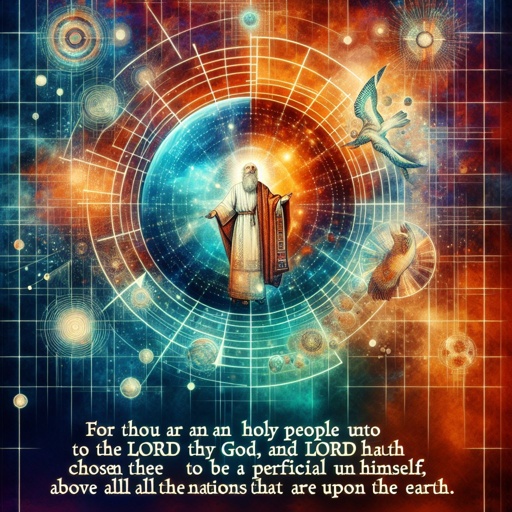
Deuteronomy 14:2 - "For thou art an holy people unto the LORD thy God, and the LORD hath chosen thee to be a peculiar people unto himself, above all the nations that are upon the earth."
"For thou art an holy people unto the LORD thy God, and the LORD hath chosen thee to be a peculiar people unto himself, above all the nations that are upon the earth." - Deuteronomy 14:2

Deuteronomy 14:14 - "And every raven after his kind,"

Deuteronomy 14:17 - "And the pelican, and the gier eagle, and the cormorant,"

"And every raven after his kind," - Deuteronomy 14:14

Deuteronomy 14:16 - "The little owl, and the great owl, and the swan,"

Deuteronomy 14:3 - "¶ Thou shalt not eat any abominable thing."

Deuteronomy 14:11 - "¶ Of all clean birds ye shall eat."

Deuteronomy 14:20 - "But of all clean fowls ye may eat."

Deuteronomy 14:13 - "And the glede, and the kite, and the vulture after his kind,"

Deuteronomy 14:18 - "And the stork, and the heron after her kind, and the lapwing, and the bat."

Deuteronomy 14:12 - "But these are they of which ye shall not eat: the eagle, and the ossifrage, and the ospray,"

Deuteronomy 14:15 - "And the owl, and the night hawk, and the cuckow, and the hawk after his kind,"

Deuteronomy 29:14 - "Neither with you only do I make this covenant and this oath;"

Deuteronomy 14:4 - "These are the beasts which ye shall eat: the ox, the sheep, and the goat,"

Deuteronomy 14:19 - "And every creeping thing that flieth is unclean unto you: they shall not be eaten."

Deuteronomy 25:14 - "Thou shalt not have in thine house divers measures, a great and a small."

Deuteronomy 2:14 - "And the space in which we came from Kadesh-barnea, until we were come over the brook Zered, was thirty and eight years; until all the generation of the men of war were wasted out from among the host, as the LORD sware unto them."

"And the pelican, and the gier eagle, and the cormorant," - Deuteronomy 14:17

Deuteronomy 27:14 - "¶ And the Levites shall speak, and say unto all the men of Israel with a loud voice,"

Deuteronomy 14:10 - "And whatsoever hath not fins and scales ye may not eat; it is unclean unto you."

Deuteronomy 14:5 - "The hart, and the roebuck, and the fallow deer, and the wild goat, and the pygarg, and the wild ox, and the chamois."

Deuteronomy 33:14 - "And for the precious fruits brought forth by the sun, and for the precious things put forth by the moon,"

Deuteronomy 2:2 - "And the LORD spake unto me, saying,"

Deuteronomy 10:14 - "Behold, the heaven and the heaven of heavens is the LORD'S thy God, the earth also, with all that therein is."

Deuteronomy 1:14 - "And ye answered me, and said, The thing which thou hast spoken is good for us to do."

Deuteronomy 14:9 - "¶ These ye shall eat of all that are in the waters: all that have fins and scales shall ye eat:"

Deuteronomy 6:14 - "Ye shall not go after other gods, of the gods of the people which are round about you;"

Deuteronomy 30:14 - "But the word is very nigh unto thee, in thy mouth, and in thy heart, that thou mayest do it."

"The little owl, and the great owl, and the swan," - Deuteronomy 14:16