What does Deuteronomy 14:29 mean?
“And the Levite, ( because he hath no part nor inheritance with thee,) and the stranger, and the fatherless, and the widow, which are within thy gates, shall come, and shall eat and be satisfied; that the LORD thy God may bless thee in all the work of thine hand which thou doest.” — Deuteronomy 14:29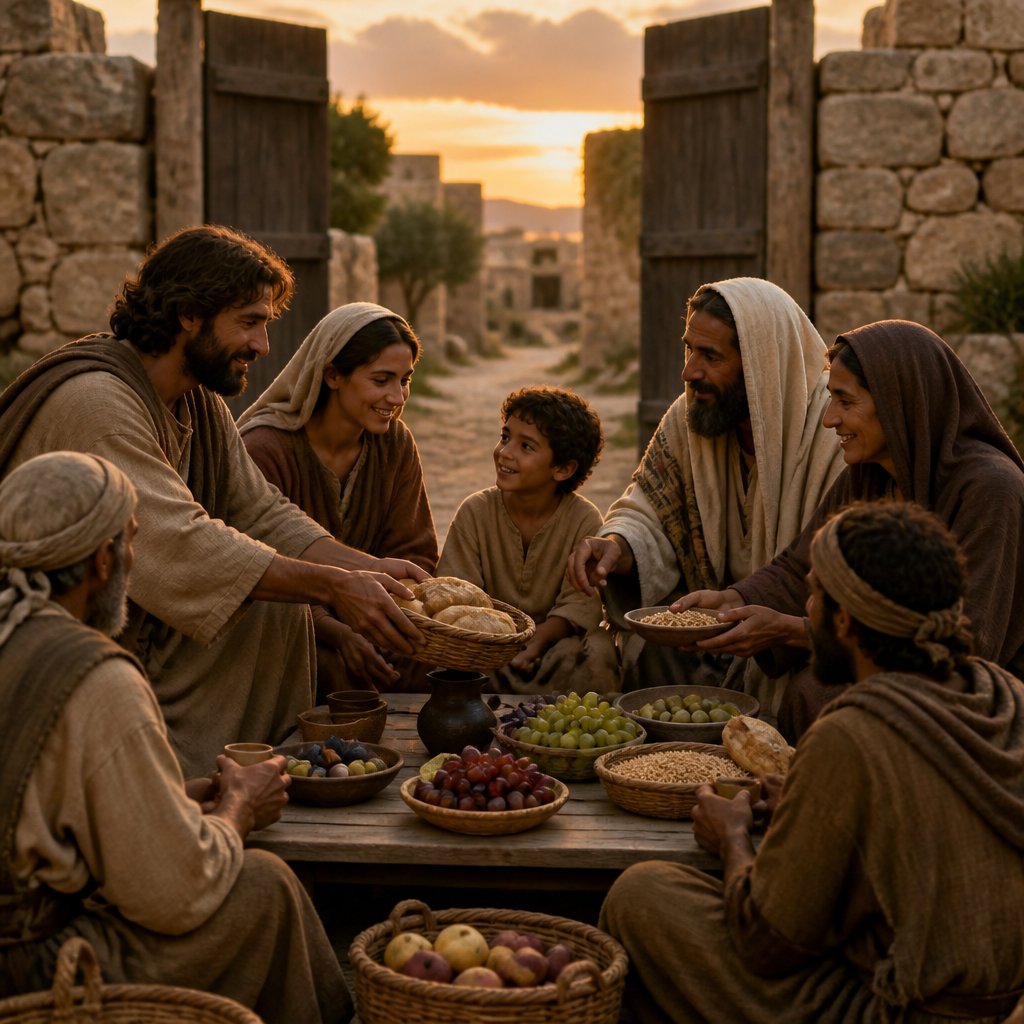
Deuteronomy 14:29 in the King James Version of the Bible reads, "And the Levite, (because he hath no part nor inheritance with thee,) and the stranger, and the fatherless, and the widow, which are within thy gates, shall come and shall eat and be satisfied; that the Lord thy God may bless thee in all the work of thine hand which thou doest."
This verse is part of the Book of Deuteronomy, which is the fifth book of the Hebrew Bible and the Christian Old Testament. It is attributed to Moses, who delivered a series of addresses to the Israelites on the plains of Moab, just before they entered the Promised Land. Deuteronomy contains a restatement and expansion of the laws given to the Israelites in the wilderness and serves as a reminder of God's promises and faithfulness.
In this particular verse, Moses is instructing the Israelites to provide for the needs of the Levites, strangers, orphans, and widows who live among them. The Levites, in particular, are mentioned because they were not given a portion of land when the Israelites entered the Promised Land. Instead, they were set apart to serve in the tabernacle and were provided for by the offerings and tithes of the people. The verse emphasizes the importance of caring for those who are in need and marginalized within society.
One of the key themes of this verse is the concept of social justice and compassion for the vulnerable members of society. The Israelites are reminded of their responsibility to care for those who are less fortunate, including the Levites, who dedicated their lives to serving God, as well as strangers, orphans, and widows who may not have the social or financial support system that others do. This reflects the broader biblical teaching on the importance of mercy, justice, and love for one's neighbor.
The context of this verse is important for understanding its significance. The Israelites were about to enter the Promised Land, and Moses wanted to ensure that they established a society based on justice and compassion. By caring for the Levites, strangers, orphans, and widows, the Israelites were not only fulfilling a moral obligation but also demonstrating their obedience to God's commandments. This verse underscores the interconnectedness of faith and action, as it teaches that caring for the vulnerable is a tangible expression of one's devotion to God.
The symbolism in this verse is also worth noting. The inclusion of the Levites, strangers, orphans, and widows represents a broad spectrum of individuals who may be in need within a community. By specifically highlighting these groups, the verse emphasizes the universal nature of compassion and the importance of inclusivity. The act of sharing a meal with someone was a significant gesture of hospitality and acceptance in the ancient Near Eastern culture, and by doing so, the Israelites were not only meeting a physical need but also fostering a sense of belonging and dignity for those in need.
Ultimately, Deuteronomy 14:29 serves as a reminder of the ethical and moral values that should guide the behavior of God's people. It calls for a society that is marked by compassion, generosity, and care for those who are vulnerable. This verse challenges believers to examine how they treat the marginalized and less fortunate in their midst, and it encourages them to strive for a community that reflects God's love and justice. As such, this verse continues to inspire and instruct readers in their pursuit of a life that honors God and cares for others.
Get our apps


Artwork for Deuteronomy 14:29

Deuteronomy 14:29 - "And the Levite, (because he hath no part nor inheritance with thee,) and the stranger, and the fatherless, and the widow, which are within thy gates, shall come, and shall eat and be satisfied; that the LORD thy God may bless thee in all the work of thine hand which thou doest."
"And the Levite, (because he hath no part nor inheritance with thee,) and the stranger, and the fatherless, and the widow, which are within thy gates, shall come, and shall eat and be satisfied; that the LORD thy God may bless thee in all the work of thine hand which thou doest." - Deuteronomy 14:29

Deuteronomy 29:14 - "Neither with you only do I make this covenant and this oath;"
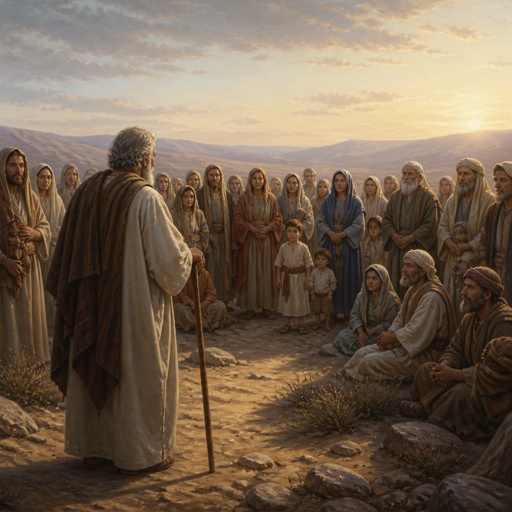
"Neither with you only do I make this covenant and this oath;" - Deuteronomy 29:14

Deuteronomy 14:14 - "And every raven after his kind,"

Deuteronomy 3:29 - "So we abode in the valley over against Beth-peor."

Deuteronomy 1:29 - "Then I said unto you, Dread not, neither be afraid of them."

Deuteronomy 32:29 - "O that they were wise, that they understood this, that they would consider their latter end!"

Deuteronomy 29:29 - "The secret things belong unto the LORD our God: but those things which are revealed belong unto us and to our children for ever, that we may do all the words of this law."

Deuteronomy 29:3 - "The great temptations which thine eyes have seen, the signs, and those great miracles:"

Deuteronomy 29:27 - "And the anger of the LORD was kindled against this land, to bring upon it all the curses that are written in this book:"

Deuteronomy 29:8 - "And we took their land, and gave it for an inheritance unto the Reubenites, and to the Gadites, and to the half tribe of Manasseh."

Deuteronomy 14:28-29 - "At the end of every three years, bring all the tithes of that year’s produce and store it in your towns, so that the Levites (who have no allotment or inheritance of their own) and the foreigners, the fatherless and the widows who live in your towns may come and eat and be satisfied, and so that the LORD your God may bless you in all the work of your hands."

John 14:23-29

John 14:23-29

Jeremiah 29: 4-14

Jeremiah 29: 4-14
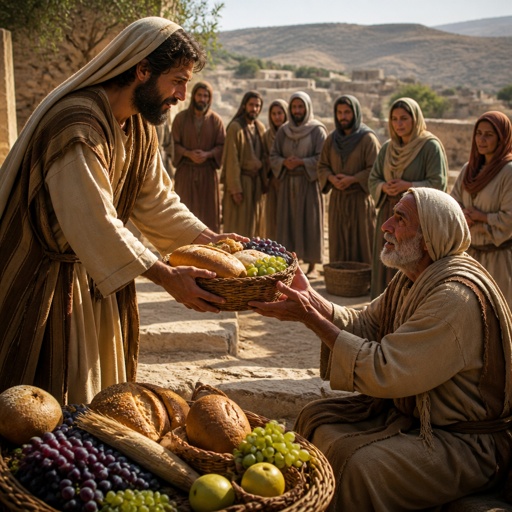
Deut 14:28-29

Jeremiah 29: 4-14

John 14:23-29

Jeremiah 29: 4-14

Jeremiah 29: 4-14

Deuteronomy 29:9 - "Keep therefore the words of this covenant, and do them, that ye may prosper in all that ye do."

Deuteronomy 14:17 - "And the pelican, and the gier eagle, and the cormorant,"

"And every raven after his kind," - Deuteronomy 14:14

Deuteronomy 29:4 - "Yet the LORD hath not given you an heart to perceive, and eyes to see, and ears to hear, unto this day."

Deuteronomy 29:17 - "And ye have seen their abominations, and their idols, wood and stone, silver and gold, which were among them:)"

Deuteronomy 29:28 - "And the LORD rooted them out of their land in anger, and in wrath, and in great indignation, and cast them into another land, as it is this day."

Deuteronomy 14:16 - "The little owl, and the great owl, and the swan,"

Deuteronomy 29:15 - "But with him that standeth here with us this day before the LORD our God, and also with him that is not here with us this day:"