What does Deuteronomy 16:18 mean?
“Judges and officers shalt thou make thee in all thy gates, which the LORD thy God giveth thee, throughout thy tribes: and they shall judge the people with just judgment.” — Deuteronomy 16:18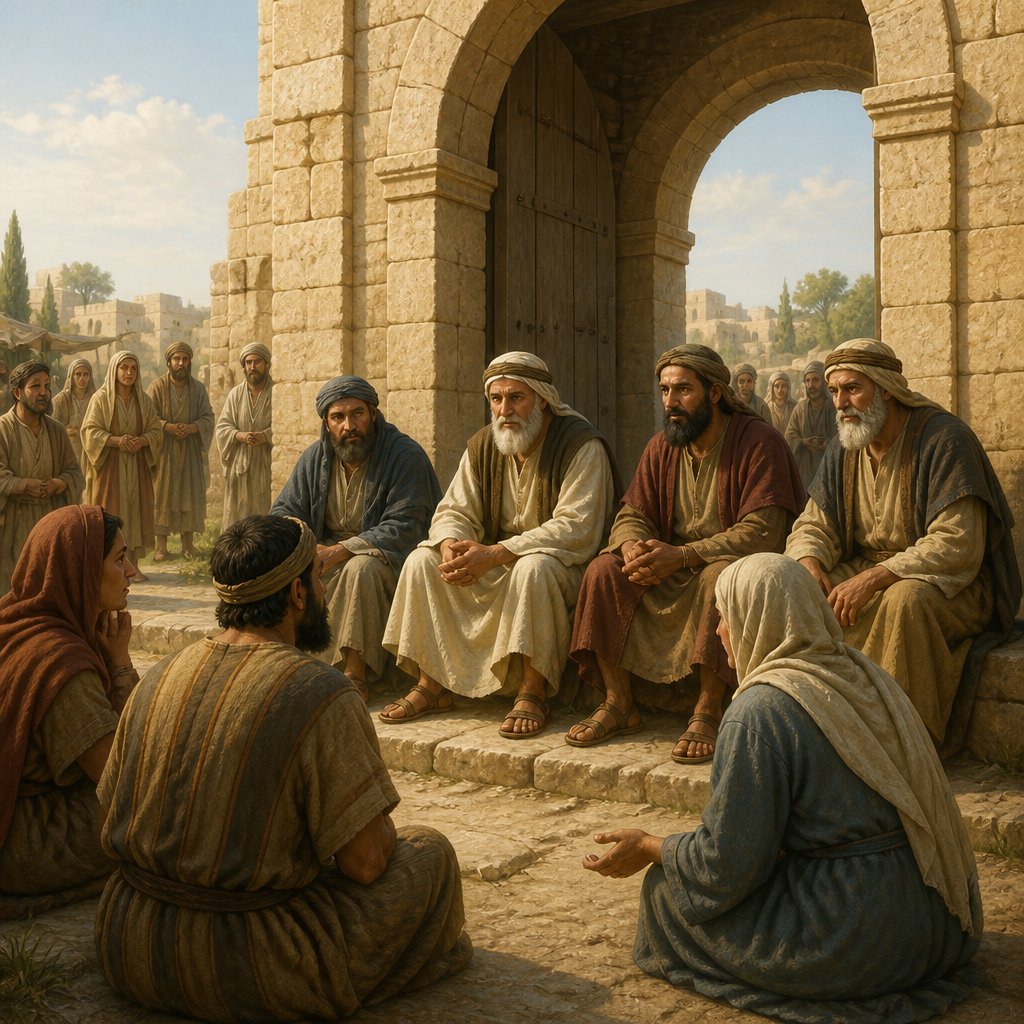
Deuteronomy 16:18 in the King James Version (KJV) of the Bible states, "Judges and officers shalt thou make thee in all thy gates, which the Lord thy God giveth thee, throughout thy tribes: and they shall judge the people with just judgment." At first glance, this verse may seem straightforward, instructing the appointment of judges and officers to administer justice. However, a deeper examination reveals a profound insight into the importance of justice, fairness, and the divine foundation of law and order.
The book of Deuteronomy, which means "second law," is essentially a restating and elaboration of the laws given to the Israelites in the earlier books of the Torah. In this verse, Moses, the author of the book, is addressing the Israelites as they are about to enter the Promised Land. He is instructing them to establish a system of justice and governance as they settle in the land that God has given them. This verse emphasizes the importance of establishing a fair and impartial legal system to govern the people.
The theme of justice is prominent throughout the Bible, and it is closely tied to the character of God Himself. In the Old Testament, God is often depicted as a just and righteous judge who upholds the cause of the oppressed and punishes the wicked. The appointment of judges and officers in this verse reflects the desire of God for His people to reflect His character in administering justice and upholding the law.
The presence of judges and officers in "all thy gates" underscores the importance of justice being accessible and available to all members of society. In ancient times, city gates were the primary points of entry and exit for a city, and they served as the locus for legal transactions, commerce, and social interactions. By situating judges and officers in these locations, the legal system was made accessible to all members of the community, regardless of their social or economic status. This speaks to the biblical emphasis on equality before the law and the fair treatment of all individuals, regardless of their station in life.
The phrase "throughout thy tribes" highlights the decentralized nature of the legal system that Moses is instructing the Israelites to establish. Each tribe was to have its own system of justice, which reflects the principle of local governance and the empowerment of communities to administer their own affairs. This decentralized model allowed for a more responsive and culturally relevant legal system that addressed the unique needs and circumstances of each tribe.
The call for the judges and officers to "judge the people with just judgment" underscores the principle of fairness and impartiality. The emphasis on "just judgment" speaks to the need for equitable treatment, where the rights and dignity of all individuals are respected. This principle is echoed in other parts of the Bible, such as Proverbs 31:9, which instructs the reader to "speak up and judge fairly; defend the rights of the poor and needy."
Furthermore, the role of judges and officers in administering justice carries significant symbolic weight. In the biblical narrative, judges were not only legal authorities but also spiritual leaders who were called to uphold the covenantal relationship between God and His people. The appointment of these figures was seen as an act of obedience to God and a means of ensuring the integrity of the community.
In conclusion, Deuteronomy 16:18 is a powerful injunction for the establishment of a just and equitable legal system. It emphasizes the importance of justice as a foundational principle of a society and highlights the divine mandate to uphold fairness and impartiality. The verse reflects the broader biblical theme of justice and the character of God as a righteous judge. It also carries symbolic significance in terms of the role of judges and officers in upholding the covenantal relationship between God and His people. This verse continues to serve as a timeless reminder of the importance of justice and the need for fair and equitable legal systems in all societies.
Get our apps


Artwork for Deuteronomy 16:18

Deuteronomy 16:18 - "¶ Judges and officers shalt thou make thee in all thy gates, which the LORD thy God giveth thee, throughout thy tribes: and they shall judge the people with just judgment."

"¶ Judges and officers shalt thou make thee in all thy gates, which the LORD thy God giveth thee, throughout thy tribes: and they shall judge the people with just judgment." - Deuteronomy 16:18

Deuteronomy 18:16 - "According to all that thou desiredst of the LORD thy God in Horeb in the day of the assembly, saying, Let me not hear again the voice of the LORD my God, neither let me see this great fire any more, that I die not."

Deuteronomy 20:16

Deuteronomy 20:16

Deuteronomy 20:16

Deuteronomy 5:18 - "Neither shalt thou commit adultery."

Deuteronomy 14:16 - "The little owl, and the great owl, and the swan,"

Deuteronomy 18:11 - "Or a charmer, or a consulter with familiar spirits, or a wizard, or a necromancer."

Deuteronomy 18:13 - "Thou shalt be perfect with the LORD thy God."

Deuteronomy 22:18 - "And the elders of that city shall take that man and chastise him;"

Deuteronomy 14:18 - "And the stork, and the heron after her kind, and the lapwing, and the bat."

Deuteronomy 10:16 - "Circumcise therefore the foreskin of your heart, and be no more stiffnecked."

Deuteronomy 28:16 - "Cursed shalt thou be in the city, and cursed shalt thou be in the field."

Deuteronomy 2:18 - "Thou art to pass over through Ar, the coast of Moab, this day:"

Numbers 16:18

Genesis 18-16

Deuteronomy 18:17 - "And the LORD said unto me, They have well spoken that which they have spoken."

Deuteronomy 1:18 - "And I commanded you at that time all the things which ye should do."

Deuteronomy 18:8 - "They shall have like portions to eat, beside that which cometh of the sale of his patrimony."

Deuteronomy 32:16 - "They provoked him to jealousy with strange gods, with abominations provoked they him to anger."

Deuteronomy 32:18 - "Of the Rock that begat thee thou art unmindful, and hast forgotten God that formed thee."

Deuteronomy 4:18 - "The likeness of any thing that creepeth on the ground, the likeness of any fish that is in the waters beneath the earth:"

Deuteronomy 33:18 - "¶ And of Zebulun he said, Rejoice, Zebulun, in thy going out; and, Issachar, in thy tents."
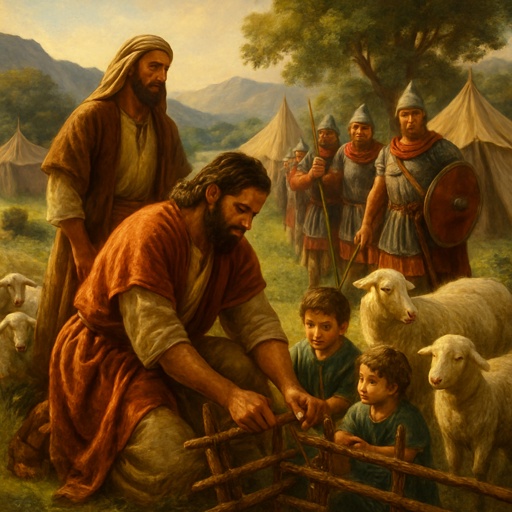
Numbers 32:16-18
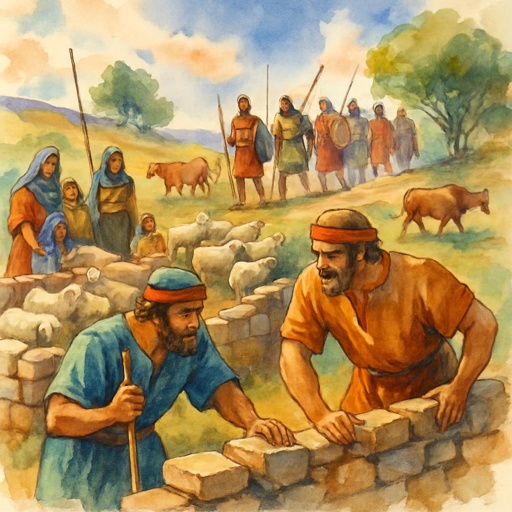
Numbers 32:16-18

Psalm 10:16-18

Deuteronomy 10:18 - "He doth execute the judgment of the fatherless and widow, and loveth the stranger, in giving him food and raiment."

Deuteronomy 27:18 - "Cursed be he that maketh the blind to wander out of the way. And all the people shall say, Amen."

Deuteronomy 6:16 - "¶ Ye shall not tempt the LORD your God, as ye tempted him in Massah."