What does Deuteronomy 16:4 mean?
“And there shall be no leavened bread seen with thee in all thy coast seven days; neither shall there any thing of the flesh, which thou sacrificedst the first day at even, remain all night until the morning.” — Deuteronomy 16:4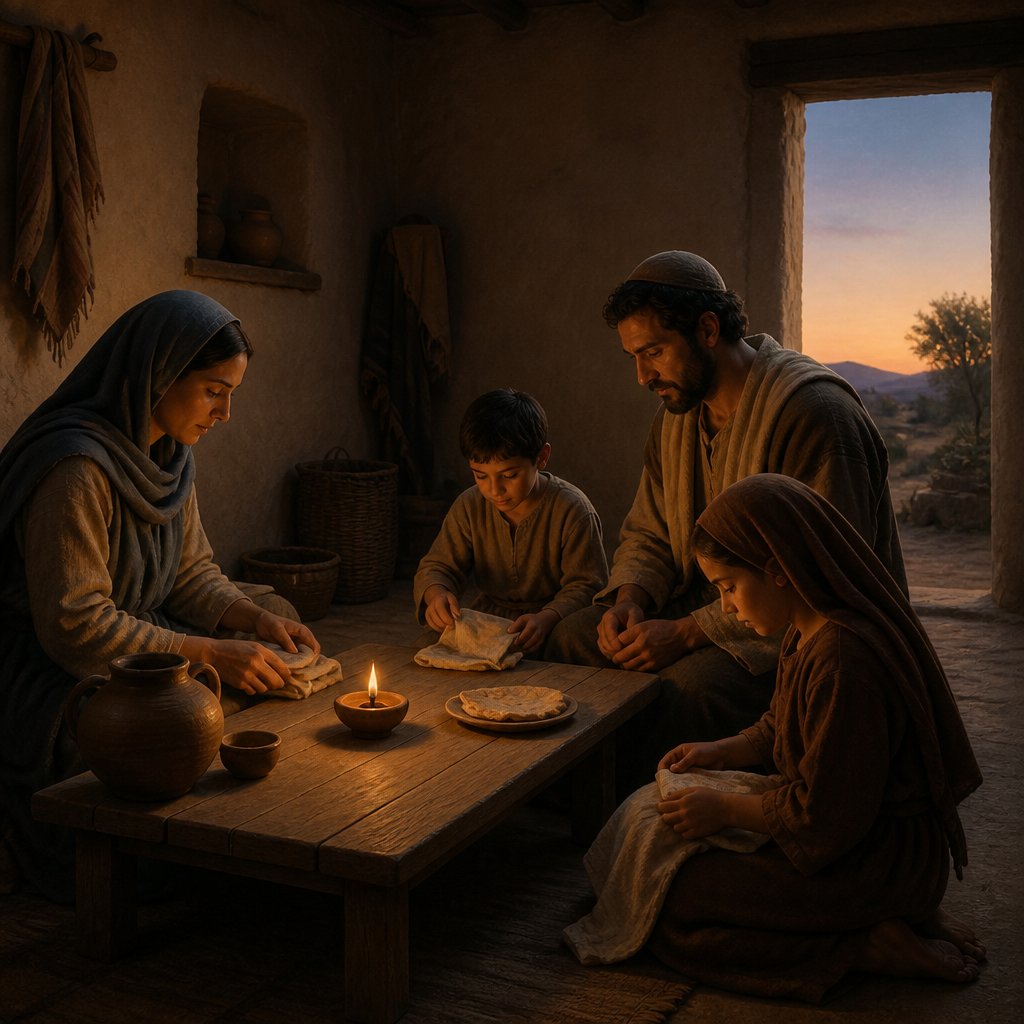
Deuteronomy 16:4 (KJV) states: "And there shall be no leavened bread seen with thee in all thy coasts seven days; neither shall there any thing of the flesh, which thou sacrificedst the first day at even, remain all night until the morning."
This verse is part of the Old Testament and is part of the laws given to the Israelites by God through Moses. It specifically addresses the requirement for unleavened bread during the Feast of Passover and the consistency of eating the sacrificial meat within a designated timeframe.
The Feast of Passover is a significant event in Jewish history as it commemorates the liberation of the Israelites from slavery in ancient Egypt. It is a time of remembrance and celebration, which is observed with rituals and customs, including the consumption of unleavened bread and the offering of sacrifices.
The prohibition of leavened bread during the Feast of Passover holds symbolic and practical significance. Leaven, or yeast, represents impurity and sin in the Bible. The removal of leaven from their homes and the consumption of unleavened bread serves as a reminder of their hasty departure from Egypt when they did not have time to allow their bread to rise. It also symbolizes the need for purity and holiness as they remember their deliverance from slavery.
Furthermore, the requirement for the sacrificial meat to be eaten within a specific timeframe emphasizes the need for obedience and adherence to God's commands. It signifies the urgency and immediacy of the Israelites' response to God's provisions, as well as their dependence on Him for sustenance and protection.
In a broader context, these laws reflect the importance of obedience, tradition, and remembrance in the religious and cultural identity of the Israelites. The Feast of Passover serves as a time of reflection on their history, faith, and the covenant with God. By following these laws, the Israelites demonstrate their commitment to their heritage and their faith in God's promises.
Symbolically, the Feast of Passover and its associated laws carry spiritual lessons for believers today. The removal of leaven represents the need for repentance and the cleansing of sin. It serves as a reminder of the importance of spiritual purity and the avoidance of corrupting influences in one's life. The timely consumption of the sacrificial meat signifies the urgency of responding to God's provisions and the blessings of obedience.
Overall, Deuteronomy 16:4 encapsulates the significance of the Feast of Passover and the enduring relevance of its customs and laws. It highlights the themes of obedience, remembrance, and spiritual purity, while also pointing towards the greater spiritual truths and lessons embodied in these ancient traditions. As believers, we can draw inspiration from these laws to deepen our relationship with God and to honor our spiritual heritage.
Get our apps


Artwork for Deuteronomy 16:4

Deuteronomy 16:4 - "And there shall be no leavened bread seen with thee in all thy coast seven days; neither shall there any thing of the flesh, which thou sacrificedst the first day at even, remain all night until the morning."
"And there shall be no leavened bread seen with thee in all thy coast seven days; neither shall there any thing of the flesh, which thou sacrificedst the first day at even, remain all night until the morning." - Deuteronomy 16:4

Deuteronomy 4:16 - "Lest ye corrupt yourselves, and make you a graven image, the similitude of any figure, the likeness of male or female,"

Deuteronomy 20:16

Deuteronomy 20:16

Deuteronomy 20:16
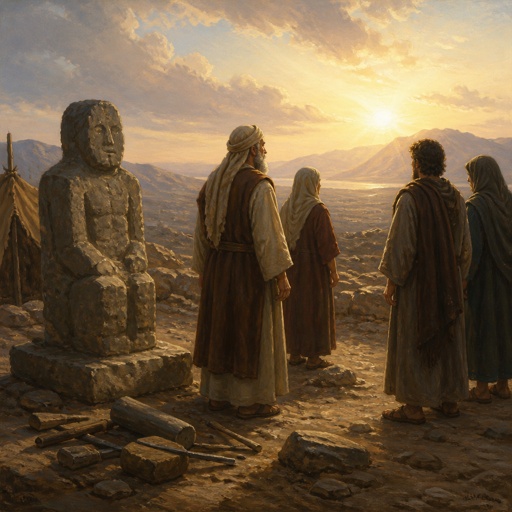
"Lest ye corrupt yourselves, and make you a graven image, the similitude of any figure, the likeness of male or female," - Deuteronomy 4:16

Deuteronomy 14:16 - "The little owl, and the great owl, and the swan,"

Deuteronomy 10:16 - "Circumcise therefore the foreskin of your heart, and be no more stiffnecked."

Deuteronomy 28:16 - "Cursed shalt thou be in the city, and cursed shalt thou be in the field."

Deuteronomy 26:4-10

Deuteronomy 26:4-10

Deuteronomy 4:4 - "But ye that did cleave unto the LORD your God are alive every one of you this day."

Deuteronomy 32:16 - "They provoked him to jealousy with strange gods, with abominations provoked they him to anger."

Deuteronomy 6:16 - "¶ Ye shall not tempt the LORD your God, as ye tempted him in Massah."

Deuteronomy 19:16 - "¶ If a false witness rise up against any man to testify against him that which is wrong;"

Deuteronomy 16:12 - "And thou shalt remember that thou wast a bondman in Egypt: and thou shalt observe and do these statutes."

Deuteronomy 25:16 - "For all that do such things, and all that do unrighteously, are an abomination unto the LORD thy God."

Deuteronomy 12:16 - "Only ye shall not eat the blood; ye shall pour it upon the earth as water."

Deuteronomy 34:1-4 – Moses views the Promised Land from Mount Nebo.

Deuteronomy 34:1-4 – Moses views the Promised Land from Mount Nebo.

Deuteronomy 34:1-4 – Moses views the Promised Land from Mount Nebo.

Deuteronomy 2:16 - "¶ So it came to pass, when all the men of war were consumed and dead from among the people,"

Deuteronomy 27:16 - "Cursed be he that setteth light by his father or his mother. And all the people shall say, Amen."

Deuteronomy 4:44 - "¶ And this is the law which Moses set before the children of Israel:"

"The little owl, and the great owl, and the swan," - Deuteronomy 14:16

Deuteronomy 12:4 - "Ye shall not do so unto the LORD your God."

Deuteronomy 33:4 - "Moses commanded us a law, even the inheritance of the congregation of Jacob."

Deuteronomy 34:1-4 – Moses views the Promised Land from Mount Nebo.

Deuteronomy 34:1-4 – Moses views the Promised Land from Mount Nebo.