What does Deuteronomy 17:19 mean?
“And it shall be with him, and he shall read therein all the days of his life: that he may learn to fear the LORD his God, to keep all the words of this law and these statutes, to do them:” — Deuteronomy 17:19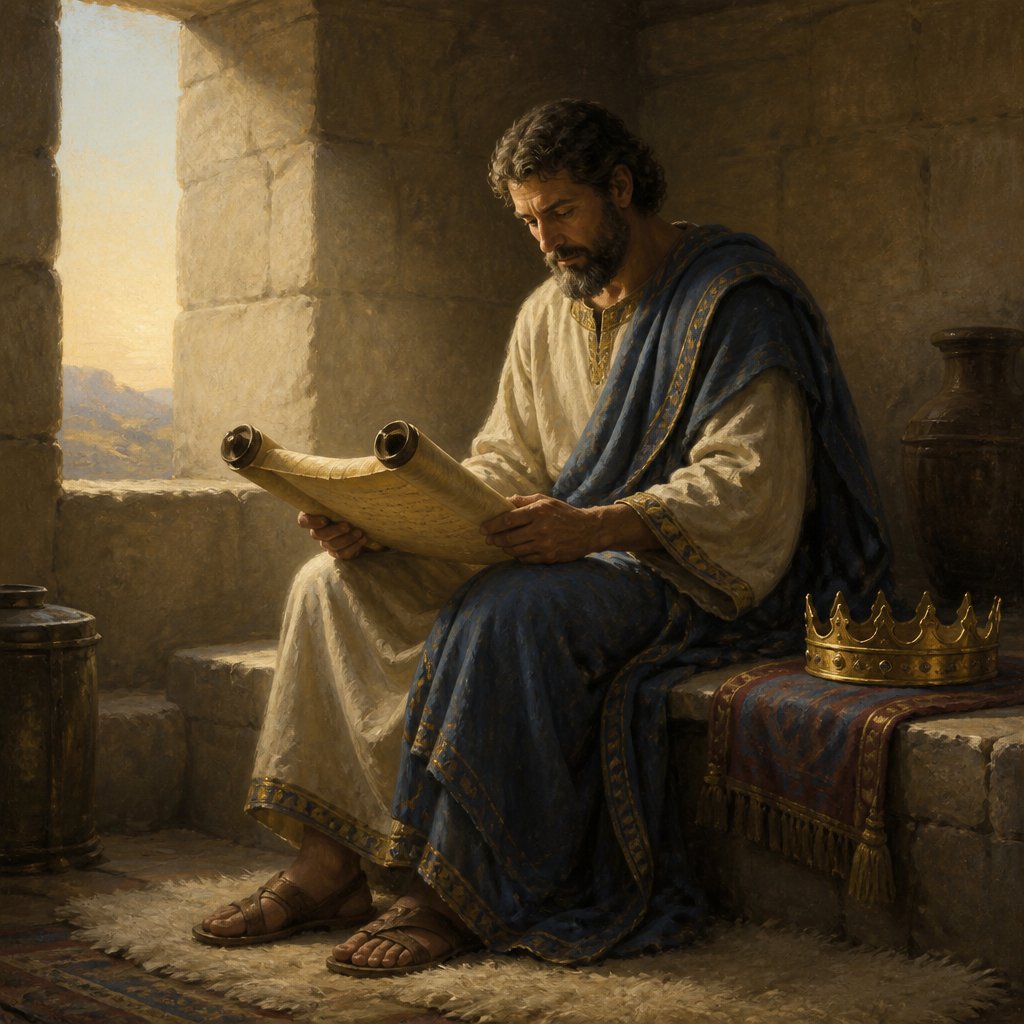
Deuteronomy 17:19 in the King James Version of the Bible states, "And it shall be with him, and he shall read therein all the days of his life: that he may learn to fear the Lord his God, to keep all the words of this law and these statutes, to do them." This verse is part of a passage that lays out the instructions for the appointment and responsibilities of a future king in Israel.
This verse contains several important themes that are central to Deuteronomy and the broader biblical narrative. The first theme is the importance of continuous engagement with God's word. The verse emphasizes that the king is to keep the book of the law with him at all times and read from it daily. This highlights the idea that the word of God is to be central in the life of the king and by extension, all believers.
The concept of fearing the Lord is also prominent in this verse. The fear of the Lord does not refer to a terror of God, but rather a deep reverence, awe, and respect for His authority and holiness. The fear of the Lord is a recurring theme throughout the Old Testament and is seen as the foundation of wisdom and obedience.
Furthermore, the verse emphasizes the importance of obedience to God's law. The king is to read the law in order to learn and keep all the words and statutes. This highlights the obedience to God's commands as a key aspect of faithful living. The emphasis on obedience to the law reflects the broader theme of the covenant relationship between God and His people, in which obedience to His commands is a sign of faithfulness and loyalty.
In its context, this verse is part of a larger passage that outlines the principles and regulations for the governance of Israel. The passage describes the qualifications for a king and emphasizes the limitations on the king's power, as well as his responsibilities to uphold God's law. These instructions served as a safeguard against the abuse of power and the promotion of a godly leadership in Israel.
The symbolism in this verse is also significant. The book of the law, which the king is instructed to keep with him and read daily, represents the word of God. It symbolizes the presence and guidance of God in the life of the king and by extension, in the life of all believers. The act of reading the law daily represents the ongoing relationship and communication between the king and God, reinforcing the idea of intimacy and dependence on God's guidance.
Overall, Deuteronomy 17:19 conveys important themes such as the centrality of God's word, the fear of the Lord, obedience to His commands, and the principles of godly leadership. These themes are foundational to the Old Testament and have enduring relevance for believers today. The verse serves as a reminder of the crucial role of God's word in the life of a leader and all believers, and the significance of living in reverence and obedience to God.
Get our apps


Artwork for Deuteronomy 17:19

Deuteronomy 17:19 - "And it shall be with him, and he shall read therein all the days of his life: that he may learn to fear the LORD his God, to keep all the words of this law and these statutes, to do them:"
"And it shall be with him, and he shall read therein all the days of his life: that he may learn to fear the LORD his God, to keep all the words of this law and these statutes, to do them:" - Deuteronomy 17:19

Deuteronomy 19:17 - "Then both the men, between whom the controversy is, shall stand before the LORD, before the priests and the judges, which shall be in those days;"

Deuteronomy 30:19:

Deuteronomy 5:17 - "Thou shalt not kill."

"Then both the men, between whom the controversy is, shall stand before the LORD, before the priests and the judges, which shall be in those days;" - Deuteronomy 19:17

Deuteronomy 14:17 - "And the pelican, and the gier eagle, and the cormorant,"

Deuteronomy 5:19 - "Neither shalt thou steal."

Deuteronomy 2:17 - "That the LORD spake unto me, saying,"

Deuteronomy 28:17 - "Cursed shall be thy basket and thy store."

Luke 10:17-19

Deuteronomy 10:17-19 - "For the Lord your God is God of gods and Lord of lords, the great God, mighty and awesome, who shows no partiality and accepts no bribes. He defends the cause of the fatherless and the widow, and loves the foreigner residing among you, giving them food and clothing. And you are to love those who are foreigners, for you yourselves were foreigners in Egypt."

Luke 10:17-19

"Thou shalt not kill." - Deuteronomy 5:17

Genesis 17-19

Deuteronomy 23:17 - "¶ There shall be no whore of the daughters of Israel, nor a sodomite of the sons of Israel."

Genesis 19-17

Deuteronomy 17:13 - "And all the people shall hear, and fear, and do no more presumptuously."

Deuteronomy 17:17 - "Neither shall he multiply wives to himself, that his heart turn not away: neither shall he greatly multiply to himself silver and gold."

Deuteronomy 10:19 - "Love ye therefore the stranger: for ye were strangers in the land of Egypt."

Deuteronomy 14:19 - "And every creeping thing that flieth is unclean unto you: they shall not be eaten."

Deuteronomy 4:17 - "The likeness of any beast that is on the earth, the likeness of any winged fowl that flieth in the air,"

"And the pelican, and the gier eagle, and the cormorant," - Deuteronomy 14:17

Deuteronomy 18:17 - "And the LORD said unto me, They have well spoken that which they have spoken."

"Neither shalt thou steal." - Deuteronomy 5:19

Deuteronomy 19:7 - "Wherefore I command thee, saying, Thou shalt separate three cities for thee."

Deuteronomy 6:19 - "To cast out all thine enemies from before thee, as the LORD hath spoken."

Matthew 19:16-17

Philippians 3:17-19

Philippians 3:17-19