What does Deuteronomy 17:5 mean?
“Then shalt thou bring forth that man or that woman, which have committed that wicked thing, unto thy gates, even that man or that woman, and shalt stone them with stones, till they die.” — Deuteronomy 17:5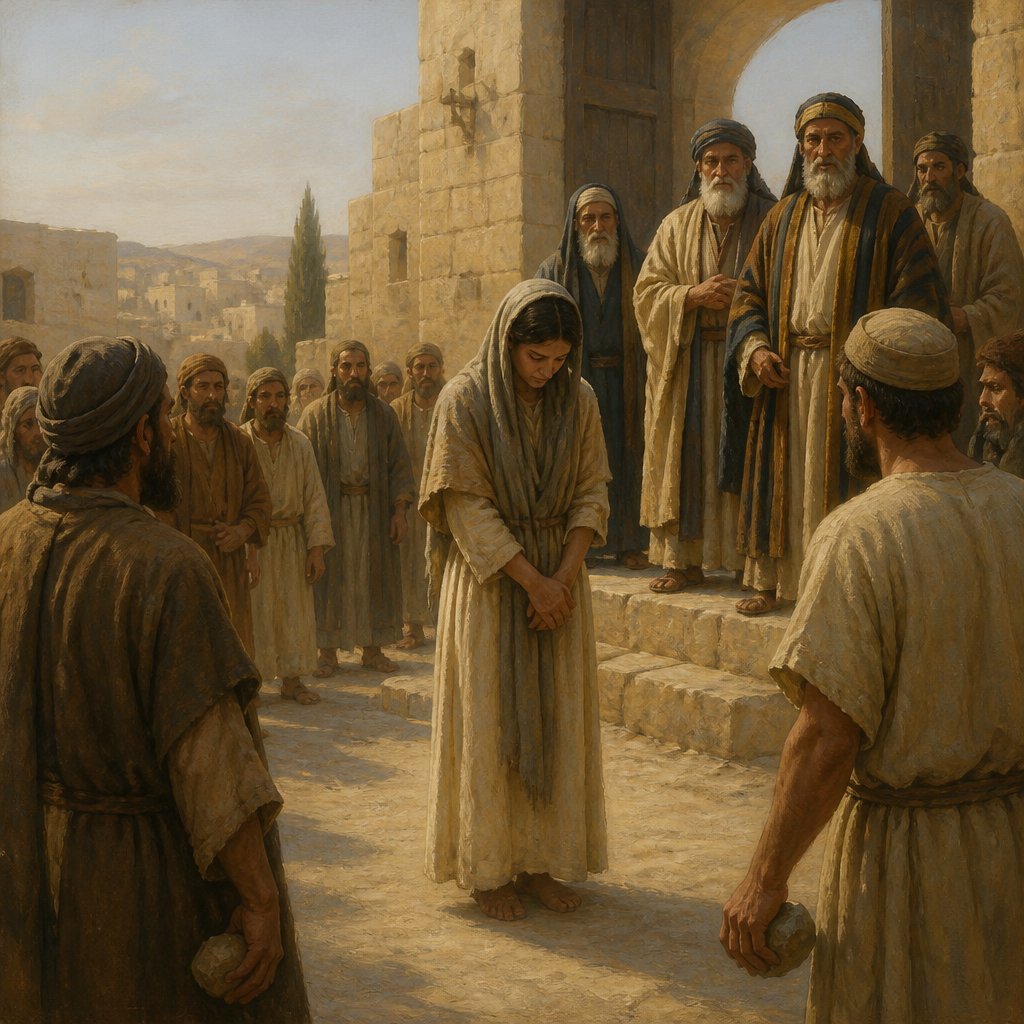
Deuteronomy 17:5 in the King James Version of the Bible states, "Then shalt thou bring forth that man or that woman, which have committed that wicked thing, unto thy gates, even that man or that woman, and shalt stone them with stones, till they die."
This verse is part of the Book of Deuteronomy, which is the fifth book of the Hebrew Bible and of the Old Testament. It is a part of the Torah, and it consists of three sermons given by Moses summarizing the events and laws given by God during the Exodus. The verse itself comes in the context of the establishment of courts of law and the punishment of those who commit idolatry, perverting justice, or participating in sorcery or witchcraft.
The verse is part of the larger theme of justice and obedience to God's commandments. At this point in Deuteronomy, there is an emphasis on the importance of maintaining the purity and proper worship of God and the severe consequences for those who deviate from these standards. The act of stoning a man or a woman to death for committing a wicked thing demonstrates the seriousness with which the Israelites were expected to deal with infractions against the law of God.
While the modern reader may find this form of punishment to be harsh and extreme, it is important to consider the historical and cultural context in which these laws were given. In ancient times, capital punishment was more commonly accepted, and the Israelites were governed by a theocratic system in which the laws were seen as coming directly from God. Thus, the severity of the punishment was meant to act as a deterrent to prevent others from committing similar offenses and to uphold the holiness and integrity of the community.
The verse also serves as a reminder of the consequences of disobedience and the importance of maintaining the purity and integrity of the community. It underscores the belief that God is a just and holy God who desires righteousness and obedience from His people. This theme of obedience and adherence to God's commands is central to the message of Deuteronomy, as the Israelites prepare to enter the Promised Land and establish a covenantal relationship with God.
From a symbolic standpoint, the act of stoning with stones represents the complete and severe removal of evil from the community. The use of stones as the means of punishment is significant, as stones are often used in the Bible to symbolize stability, strength, and permanence. By using stones to carry out the punishment, the Israelites were demonstrating their commitment to upholding the laws of God and maintaining the sanctity of their community.
In a broader theological sense, this verse serves as a reminder of the gravity of sin and the need for repentance and obedience. It underscores the principle that sin has real and serious consequences and that God's justice demands accountability for our actions. This serves as a sobering reminder of the importance of living a life that is pleasing to God and abstaining from actions that are contrary to His will.
In conclusion, Deuteronomy 17:5 serves as a sobering reminder of the importance of obedience to God's commands and the severity of the consequences for disobedience. It reflects the ancient Israelite's view of justice and the gravity of sin within the context of a theocratic community. While these laws may seem severe by modern standards, they highlight the significance of maintaining the purity and holiness of the community and the importance of upholding God's commandments.
Get our apps


Artwork for Deuteronomy 17:5

Deuteronomy 17:5 - "Then shalt thou bring forth that man or that woman, which have committed that wicked thing, unto thy gates, even that man or that woman, and shalt stone them with stones, till they die." bible verse art
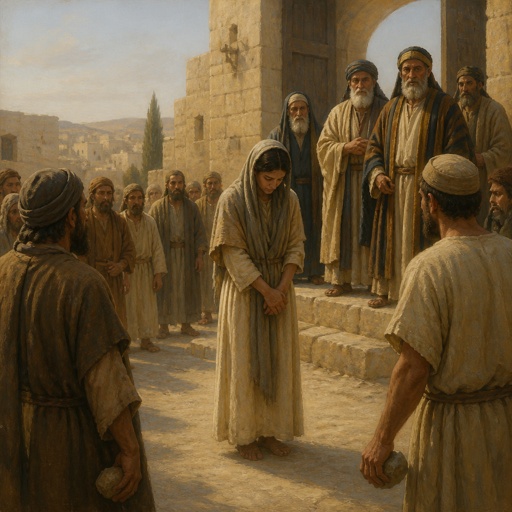
"Then shalt thou bring forth that man or that woman, which have committed that wicked thing, unto thy gates, even that man or that woman, and shalt stone them with stones, till they die." - Deuteronomy 17:5

Deuteronomy 5:17 - "Thou shalt not kill."

"Thou shalt not kill." - Deuteronomy 5:17

Deuteronomy 14:17 - "And the pelican, and the gier eagle, and the cormorant,"

Deuteronomy 2:17 - "That the LORD spake unto me, saying,"

Deuteronomy 28:17 - "Cursed shall be thy basket and thy store."
Deuteronomy 5 pictures

Deuteronomy 23:17 - "¶ There shall be no whore of the daughters of Israel, nor a sodomite of the sons of Israel."

Deuteronomy 17:13 - "And all the people shall hear, and fear, and do no more presumptuously."

Deuteronomy 17:17 - "Neither shall he multiply wives to himself, that his heart turn not away: neither shall he greatly multiply to himself silver and gold."

Deuteronomy 34:5-6

Deuteronomy 5:19 - "Neither shalt thou steal."

Deuteronomy 4:17 - "The likeness of any beast that is on the earth, the likeness of any winged fowl that flieth in the air,"

Deuteronomy 5:18 - "Neither shalt thou commit adultery."

"And the pelican, and the gier eagle, and the cormorant," - Deuteronomy 14:17

Deuteronomy 18:17 - "And the LORD said unto me, They have well spoken that which they have spoken."

Deuteronomy 28:5 - "Blessed shall be thy basket and thy store."

Deuteronomy 27:17 - "Cursed be he that removeth his neighbour's landmark. And all the people shall say, Amen."

Deuteronomy 5:2 - "The LORD our God made a covenant with us in Horeb."

Galatians 5:16-17

Galatians 5:16-17

Deuteronomy 24:17 - "¶ Thou shalt not pervert the judgment of the stranger, nor of the fatherless; nor take a widow's raiment to pledge:"

"That the LORD spake unto me, saying," - Deuteronomy 2:17

Deuteronomy 5:30 - "Go say to them, Get you into your tents again."

Deuteronomy 8:17 - "And thou say in thine heart, My power and the might of mine hand hath gotten me this wealth."

Deuteronomy 29:17 - "And ye have seen their abominations, and their idols, wood and stone, silver and gold, which were among them:)"

Deuteronomy 5:7 - "Thou shalt have none other gods before me."

Deuteronomy 5:13 - "Six days thou shalt labour, and do all thy work:"

Deuteronomy 1:5 - "On this side Jordan, in the land of Moab, began Moses to declare this law, saying,"