What does Deuteronomy 18:19 mean?
“And it shall come to pass, that whosoever will not hearken unto my words which he shall speak in my name, I will require it of him.” — Deuteronomy 18:19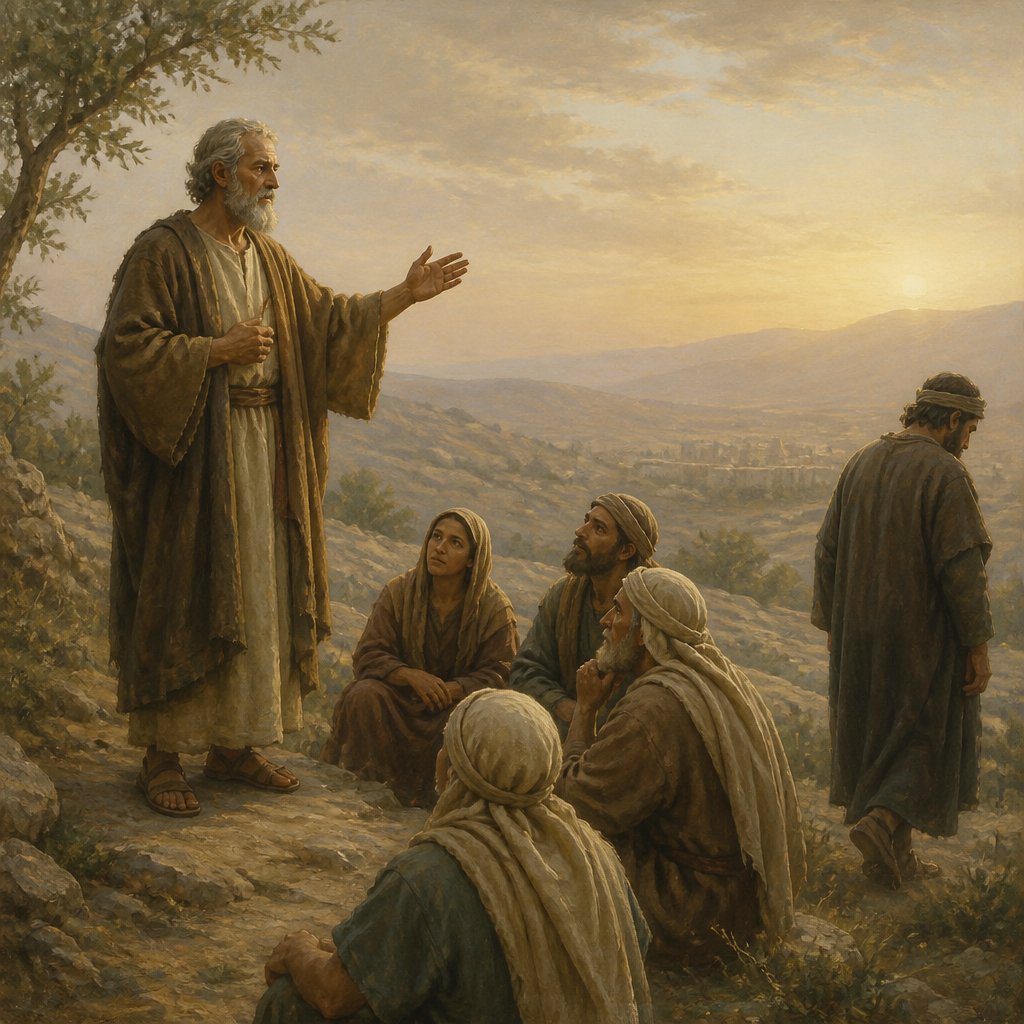
Deuteronomy 18:19 (KJV) states, "And it shall come to pass, that whosoever will not hearken unto my words which he shall speak in my name, I will require it of him."
This verse is part of the book of Deuteronomy, which is a book in the Old Testament of the Bible that comprises a collection of teachings and speeches given by Moses to the Israelites before they entered the Promised Land. The overarching theme of this verse is obedience to God's word and the consequences of disobedience.
The verse begins with the phrase "And it shall come to pass," indicating that the following statement is a prophecy that will inevitably be fulfilled. The phrase "whosoever will not hearken unto my words" refers to those who refuse to listen and obey the commands and teachings of God. The pronoun "he" in the phrase "which he shall speak in my name" refers to the prophet whom God would send to deliver His message to the people. In this context, the verse is specifically referring to the future coming of Jesus Christ as the ultimate prophet and messenger of God.
The consequence of not hearkening unto God's words is stated as "I will require it of him." This implies that God will hold the disobedient individual accountable for their actions. The word "require" carries the sense of seeking justice or demanding satisfaction for a wrongdoing. In this case, it indicates that God will demand retribution for failing to heed His words.
One of the key themes of this verse is the importance of obedience to God's word. Throughout the Bible, obedience is a recurring theme, and it is often linked to blessings for those who obey and consequences for those who disobey. In this verse, the emphasis is on the seriousness of disregarding God's commands and the subsequent accountability.
The verse also touches upon the role of prophets in delivering God's message to the people. In the Old Testament, prophets served as intermediaries between God and the Israelites, conveying His instructions, warnings, and promises. The coming of Jesus Christ as the ultimate prophet is foretold in this verse, and it highlights the significance of listening to His teachings.
Furthermore, the verse carries a sense of divine authority and judgment. The phrase "I will require it of him" illustrates God's sovereignty and His right to demand obedience from His creation. It also conveys the idea of divine justice, with God holding individuals responsible for their actions.
Symbolically, this verse represents the overarching theme of the Bible – the relationship between God and His people. It underscores the importance of heeding God's word and the consequences of rebellion. It also foreshadows the coming of Jesus Christ as the ultimate messenger of God and the significance of listening to His message.
In conclusion, Deuteronomy 18:19 from the King James Version of the Bible holds a message of obedience, accountability, and divine judgment. It emphasizes the importance of heeding God's words and the consequences of failing to do so. The verse also alludes to the coming of Jesus Christ as the ultimate prophet and underscores the significance of listening to His teachings. Ultimately, it serves as a reminder of the overarching theme of the Bible – the relationship between God and His people and the call to obedience and faith.
Get our apps


Artwork for Deuteronomy 18:19

Deuteronomy 18:19 - "And it shall come to pass, that whosoever will not hearken unto my words which he shall speak in my name, I will require it of him."

"And it shall come to pass, that whosoever will not hearken unto my words which he shall speak in my name, I will require it of him." - Deuteronomy 18:19

Deuteronomy 19:18 - "And the judges shall make diligent inquisition: and, behold, if the witness be a false witness, and hath testified falsely against his brother;"

Deuteronomy 10:18-19 - "He doth execute the judgment of the fatherless and widow, and loveth the stranger, in giving him food and raiment. Love ye therefore the stranger: for ye were strangers in the land of Egypt."

Deuteronomy 30:19:

"And the judges shall make diligent inquisition: and, behold, if the witness be a false witness, and hath testified falsely against his brother;" - Deuteronomy 19:18

Deuteronomy 5:19 - "Neither shalt thou steal."

Deuteronomy 5:18 - "Neither shalt thou commit adultery."

Luke 10:18-19

Luke 13:18-19

Luke 10:18-19

Luke 10:18-19

Luke 13:18-19

Deuteronomy 18:11 - "Or a charmer, or a consulter with familiar spirits, or a wizard, or a necromancer."

Deuteronomy 18:13 - "Thou shalt be perfect with the LORD thy God."

Luke 10:18-19

Luke 10:18-19

Luke 10:18-19

Deuteronomy 22:18 - "And the elders of that city shall take that man and chastise him;"

Deuteronomy 14:18 - "And the stork, and the heron after her kind, and the lapwing, and the bat."

Genesis 18-19

Job 18-19

Genesis 19-18

Deuteronomy 2:18 - "Thou art to pass over through Ar, the coast of Moab, this day:"

Deuteronomy 10:19 - "Love ye therefore the stranger: for ye were strangers in the land of Egypt."

Deuteronomy 14:19 - "And every creeping thing that flieth is unclean unto you: they shall not be eaten."

Deuteronomy 18:17 - "And the LORD said unto me, They have well spoken that which they have spoken."

Isaiah 43:18-19

Genesis 27:18-19

"Neither shalt thou steal." - Deuteronomy 5:19