What does Deuteronomy 2:11 mean?
“Which also were accounted giants, as the Anakims; but the Moabites call them Emims.” — Deuteronomy 2:11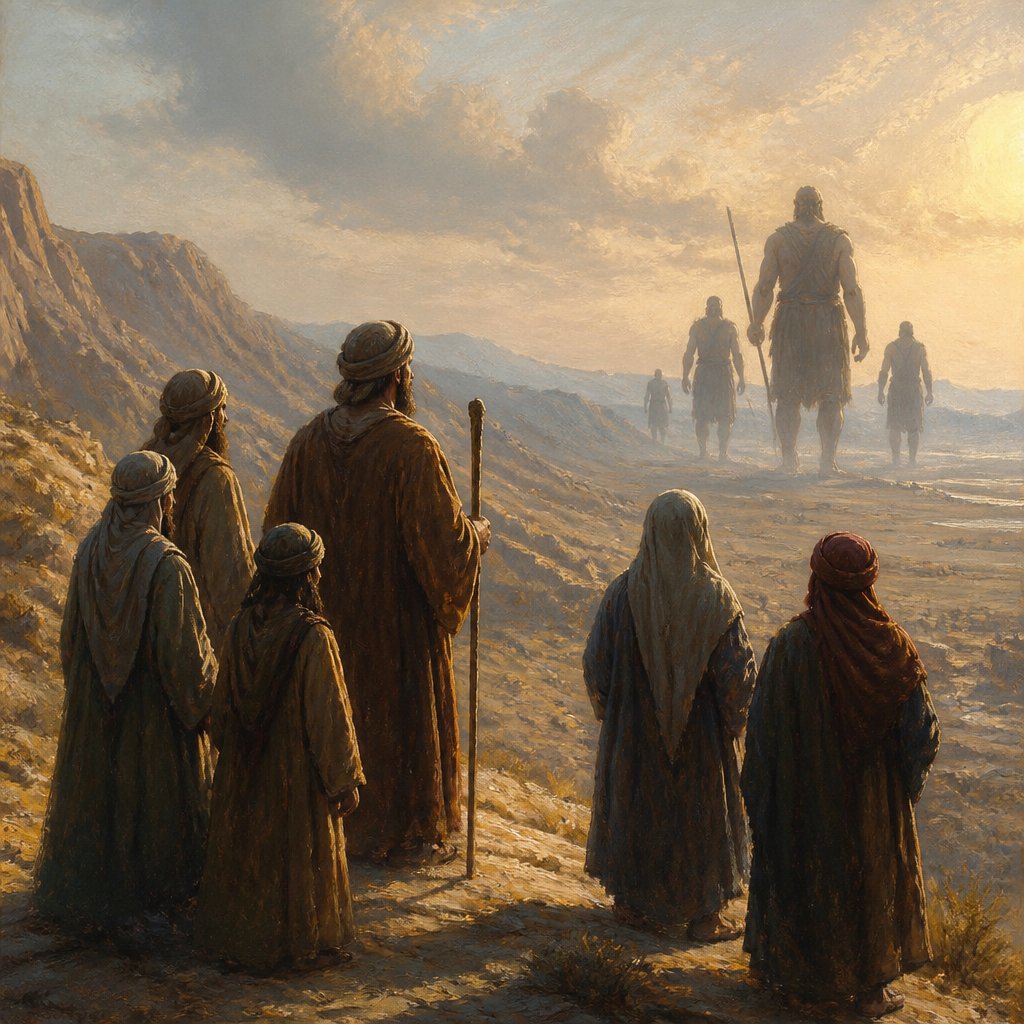
The Bible verse Deuteronomy 2:11 states, "Which also were accounted giants, as the Anakims; but the Moabites call them Emims." This verse comes from the book of Deuteronomy, which is the fifth book of the Old Testament and is attributed to Moses. It recounts the final words of Moses as he prepares the Israelites to enter the Promised Land after their years of wandering in the wilderness.
In this particular verse, Moses is recalling the different people and tribes that the Israelites encountered on their journey. The mention of the "giants" or Anakims and the Moabite name for them, Emims, serves as a reminder of the formidable obstacles and challenges that the Israelites faced as they journeyed to the Promised Land.
The theme of the verse can be seen as a reminder of the power and sovereignty of God in the face of seemingly insurmountable obstacles. The Anakims, or giants, were known for their great stature and strength, and the Israelites would have been understandably intimidated by them. However, the verse can serve as a reminder that despite these formidable foes, God was with the Israelites, leading and guiding them through the challenges they faced.
The context of the verse is important in understanding its significance. The Israelites had been wandering in the wilderness for forty years as a consequence of their disobedience to God. Throughout this time, they faced numerous trials and hardships, including battles with other nations and enemies. The mention of the Anakims and the Moabites in this verse is a part of Moses' recounting of the various people and tribes they encountered during their journey.
Symbolically, the giants or Anakims can represent the obstacles and challenges that we face in our own lives. These obstacles may seem insurmountable and overwhelming, much like facing a giant. However, the verse serves as a reminder that with God on our side, we can overcome these challenges. It emphasizes the importance of faith and trust in God's guidance and protection, even in the face of seemingly unbeatable odds.
Additionally, the mention of the Moabites calling the giants "Emims" can also symbolize the different perspectives and interpretations that people may have of the same situation. The Moabites had their own name for the giants, showing that different cultures and people may perceive things differently. This can serve as a reminder of the diversity and complexity of human perspectives and experiences, and the importance of understanding and empathy in our interactions with others.
In conclusion, the Bible verse Deuteronomy 2:11 serves as a reminder of the power and sovereignty of God in the face of formidable obstacles and challenges. It encourages faith and trust in God's guidance and protection, even when facing seemingly unbeatable odds. The verse also symbolizes the diversity of human perspectives and experiences, emphasizing the importance of understanding and empathy in our interactions with others. Overall, this verse has a profound and timeless message that can resonate with people facing their own giants and challenges in life.
Get our apps


Artwork for Deuteronomy 2:11

Deuteronomy 2:11 - "Which also were accounted giants, as the Anakims; but the Moabites call them Emims."
"Which also were accounted giants, as the Anakims; but the Moabites call them Emims." - Deuteronomy 2:11

Deuteronomy 11:23

Deuteronomy 11:2 - "And know ye this day: for I speak not with your children which have not known, and which have not seen the chastisement of the LORD your God, his greatness, his mighty hand, and his stretched out arm,"

Deuteronomy 11:11 - "But the land, whither ye go to possess it, is a land of hills and valleys, and drinketh water of the rain of heaven:"

Create a picture of Deuteronomy 11:20

Deuteronomy 14:11 - "¶ Of all clean birds ye shall eat."

Deuteronomy 18:11 - "Or a charmer, or a consulter with familiar spirits, or a wizard, or a necromancer."

Deuteronomy 27:11 - "¶ And Moses charged the people the same day, saying,"
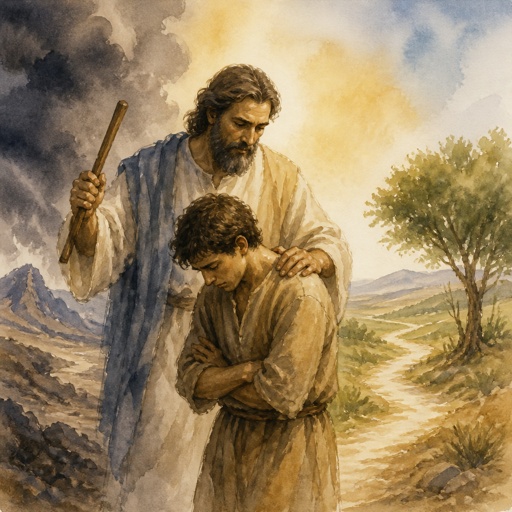
Create a graphic for Deuteronomy 11. God disciplines.
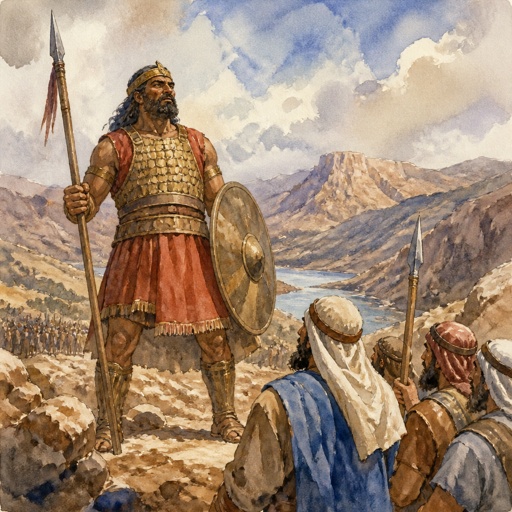
King Og Deuteronomy 3:1-11
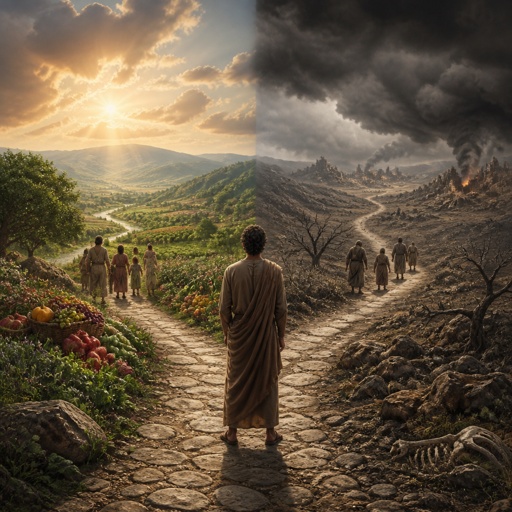
Create a graphic for Deuteronomy 11. Blessing and curse
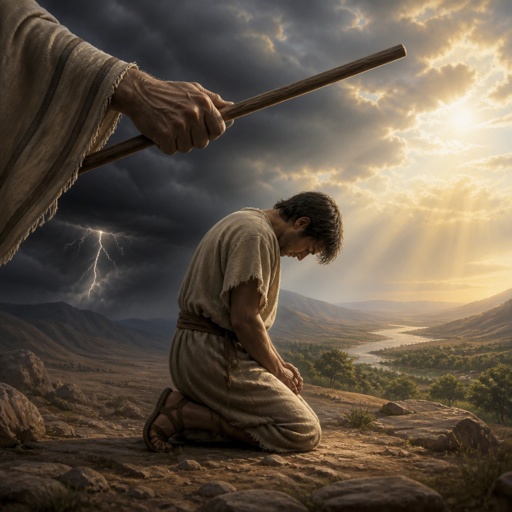
Create a graphic for Deuteronomy 11. God disciplines.
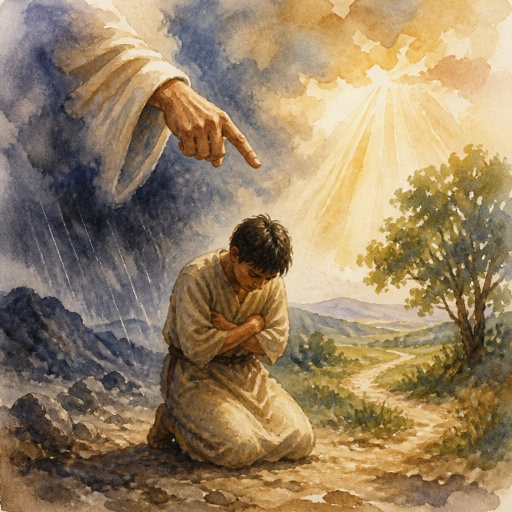
Create a graphic for Deuteronomy 11. God disciplines.

Deuteronomy 11:26 - "¶ Behold, I set before you this day a blessing and a curse;"

Deuteronomy 22:11 - "¶ Thou shalt not wear a garment of divers sorts, as of woollen and linen together."

Deuteronomy 2:2 - "And the LORD spake unto me, saying,"

Deuteronomy 11:5 - "And what he did unto you in the wilderness, until ye came into this place;"

Deuteronomy 11:15 - "And I will send grass in thy fields for thy cattle, that thou mayest eat and be full."

Deuteronomy 11:7 - "But your eyes have seen all the great acts of the LORD which he did."

Deuteronomy 30:11 - "¶ For this commandment which I command thee this day, it is not hidden from thee, neither is it far off."

Deuteronomy 11:27 - "A blessing, if ye obey the commandments of the LORD your God, which I command you this day:"

Deuteronomy 13:11 - "And all Israel shall hear, and fear, and shall do no more any such wickedness as this is among you."

Deuteronomy 11:20 - "And thou shalt write them upon the door posts of thine house, and upon thy gates:"

Deuteronomy 11:32 - "And ye shall observe to do all the statutes and judgments which I set before you this day."

Create picture of a Jewish man wearing items in Deuteronomy 11:18

Deuteronomy 11:16 - "Take heed to yourselves, that your heart be not deceived, and ye turn aside, and serve other gods, and worship them;"

Deuteronomy 7:11 - "Thou shalt therefore keep the commandments, and the statutes, and the judgments, which I command thee this day, to do them."

"Or a charmer, or a consulter with familiar spirits, or a wizard, or a necromancer." - Deuteronomy 18:11

"¶ And Moses charged the people the same day, saying," - Deuteronomy 27:11