What does Deuteronomy 2:7 mean?
“For the LORD thy God hath blessed thee in all the works of thy hand: he knoweth thy walking through this great wilderness: these forty years the LORD thy God hath been with thee; thou hast lacked nothing.” — Deuteronomy 2:7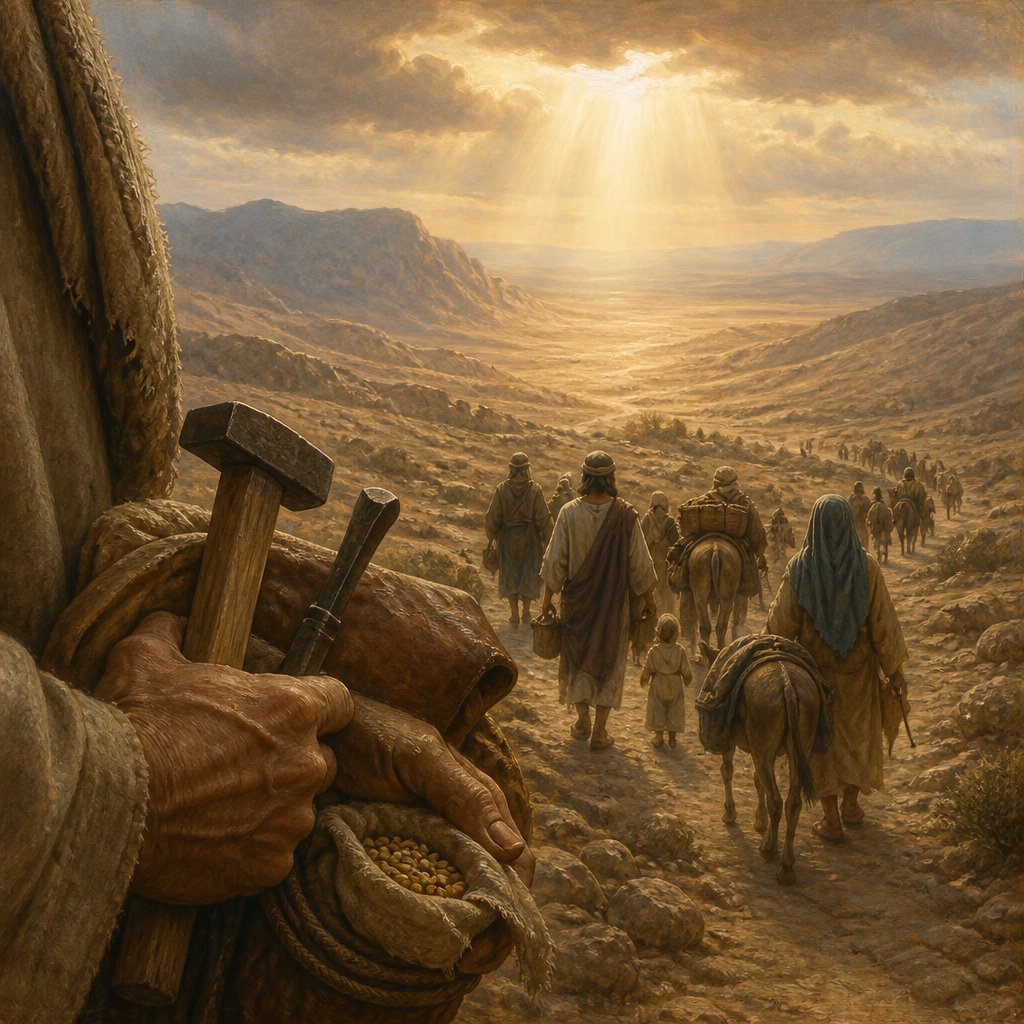
Deuteronomy 2:7 (KJV) reads, "For the Lord thy God hath blessed thee in all the works of thy hand: he knoweth thy walking through this great wilderness: these forty years the Lord thy God hath been with thee; thou hast lacked nothing."
This verse is found in the book of Deuteronomy, which is the fifth book of the Old Testament and is a part of the Pentateuch, or the Torah, the first five books of the Bible. Deuteronomy is traditionally attributed to Moses and is essentially a series of speeches given by Moses to the Israelites before they enter the Promised Land. This verse is part of this larger narrative and serves as a reminder to the Israelites of God's faithfulness and provision during their time in the wilderness.
The overarching theme of Deuteronomy 2:7 is the faithfulness and provision of God. The verse provides reassurance to the Israelites that God has been with them throughout their time in the wilderness, providing for their needs and ensuring they lacked nothing. This theme of God's faithfulness is a recurring one throughout the Bible, and it serves as a source of comfort and encouragement to believers.
The context of this verse is crucial to understanding its significance. The Israelites had spent forty years wandering in the wilderness as a result of their disobedience and lack of faith in God. During this time, they experienced hardship and trials, yet God remained true to His promise to care for them. Deuteronomy 2:7 serves as a reminder of God's unwavering presence and provision, even in the midst of difficulty and uncertainty.
The symbolism in this verse is multifaceted. The wilderness can be seen as a metaphor for the trials and challenges that believers face in their lives. Just as the Israelites wandered through the wilderness, facing hardship and uncertainty, believers may find themselves in similar periods of struggle. However, the verse reassures us that God is aware of our journey and is present with us through it all.
The imagery of "forty years" is also significant. Throughout the Bible, the number forty often represents a period of testing or trial. The Israelites' forty years in the wilderness served as a time of refining and testing of their faith and obedience to God. This symbolism can be applied to the challenges and struggles believers face in their own lives, serving as a reminder that these periods of trial are not without purpose and that God remains faithful throughout.
Furthermore, the verse emphasizes the idea that the Israelites "lacked nothing" during their time in the wilderness. This serves as a powerful testament to God's provision and care for His people. It reinforces the concept that God is aware of our needs and is able to meet them, even in the most unlikely of circumstances. This symbolism points to the idea that God's provision goes beyond mere physical needs, encompassing all areas of our lives.
In conclusion, Deuteronomy 2:7 is a powerful reminder of God's faithfulness and provision, even in the midst of trials and challenges. The verse's themes, context, and symbolism serve to encourage and reassure believers that God is aware of their journey and is present with them, providing for their needs and ensuring they lack nothing. This message of unwavering care and provision serves as a source of comfort and hope for believers as they navigate the uncertainties of life.
Get our apps


Artwork for Deuteronomy 2:7

Deuteronomy 2:7 - "For the LORD thy God hath blessed thee in all the works of thy hand: he knoweth thy walking through this great wilderness: these forty years the LORD thy God hath been with thee; thou hast lacked nothing."
"For the LORD thy God hath blessed thee in all the works of thy hand: he knoweth thy walking through this great wilderness: these forty years the LORD thy God hath been with thee; thou hast lacked nothing." - Deuteronomy 2:7

Deuteronomy 7:2 - "And when the LORD thy God shall deliver them before thee; thou shalt smite them, and utterly destroy them; thou shalt make no covenant with them, nor shew mercy unto them:" respectful, symbolic bible verse art

Deuteronomy 3:7 - "But all the cattle, and the spoil of the cities, we took for a prey to ourselves."

Deuteronomy 5:7 - "Thou shalt have none other gods before me."

Deuteronomy 2:2 - "And the LORD spake unto me, saying,"

Deuteronomy 19:7 - "Wherefore I command thee, saying, Thou shalt separate three cities for thee."

Deuteronomy 10:7 - "From thence they journeyed unto Gudgodah; and from Gudgodah to Jotbath, a land of rivers of waters."

Deuteronomy 11:7 - "But your eyes have seen all the great acts of the LORD which he did."

Deuteronomy 27:7 - "And thou shalt offer peace offerings, and shalt eat there, and rejoice before the LORD thy God."

Deuteronomy 7:21 - "Thou shalt not be affrighted at them: for the LORD thy God is among you, a mighty God and terrible."

Deuteronomy 21:7 - "And they shall answer and say, Our hands have not shed this blood, neither have our eyes seen it."

Deuteronomy 7:7 - "The LORD did not set his love upon you, nor choose you, because ye were more in number than any people; for ye were the fewest of all people:"

Deuteronomy 7:17 - "If thou shalt say in thine heart, These nations are more than I; how can I dispossess them?"

Deuteronomy 7:11 - "Thou shalt therefore keep the commandments, and the statutes, and the judgments, which I command thee this day, to do them."

Deuteronomy 2:17 - "That the LORD spake unto me, saying,"

Deuteronomy 7:14 - "Thou shalt be blessed above all people: there shall not be male or female barren among you, or among your cattle."

Deuteronomy 30:7 - "And the LORD thy God will put all these curses upon thine enemies, and on them that hate thee, which persecuted thee."

Deuteronomy 7:20 - "Moreover the LORD thy God will send the hornet among them, until they that are left, and hide themselves from thee, be destroyed."

Deuteronomy 7:23 - "But the LORD thy God shall deliver them unto thee, and shall destroy them with a mighty destruction, until they be destroyed."

Deuteronomy 8:7 - "For the LORD thy God bringeth thee into a good land, a land of brooks of water, of fountains and depths that spring out of valleys and hills;"

Deuteronomy 18:7 - "Then he shall minister in the name of the LORD his God, as all his brethren the Levites do, which stand there before the LORD."

Deuteronomy 34:7 - "¶ And Moses was an hundred and twenty years old when he died: his eye was not dim, nor his natural force abated."

"And the LORD spake unto me, saying," - Deuteronomy 2:2

Deuteronomy 5:2 - "The LORD our God made a covenant with us in Horeb."

Deuteronomy 23:7 - "¶ Thou shalt not abhor an Edomite; for he is thy brother: thou shalt not abhor an Egyptian; because thou wast a stranger in his land."

Deuteronomy 32:7 - "¶ Remember the days of old, consider the years of many generations: ask thy father, and he will shew thee; thy elders, and they will tell thee."

Deuteronomy 7:18 - "Thou shalt not be afraid of them: but shalt well remember what the LORD thy God did unto Pharaoh, and unto all Egypt;"

Deuteronomy 7:10 - "And repayeth them that hate him to their face, to destroy them: he will not be slack to him that hateth him, he will repay him to his face."
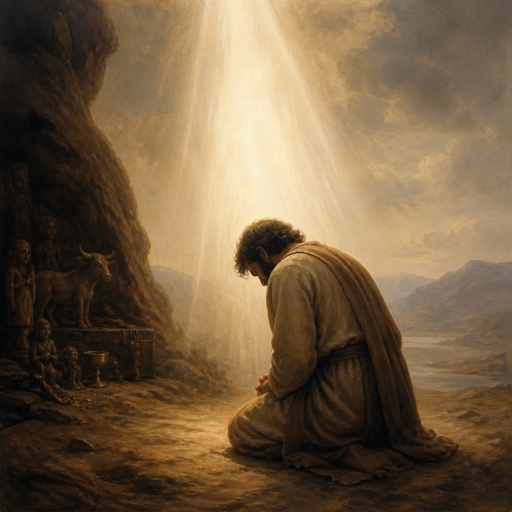
"Thou shalt have none other gods before me." - Deuteronomy 5:7