What does Deuteronomy 22:24 mean?
“Then ye shall bring them both out unto the gate of that city, and ye shall stone them with stones that they die; the damsel, because she cried not, being in the city; and the man, because he hath humbled his neighbour’s wife: so thou shalt put away evil from among you.” — Deuteronomy 22:24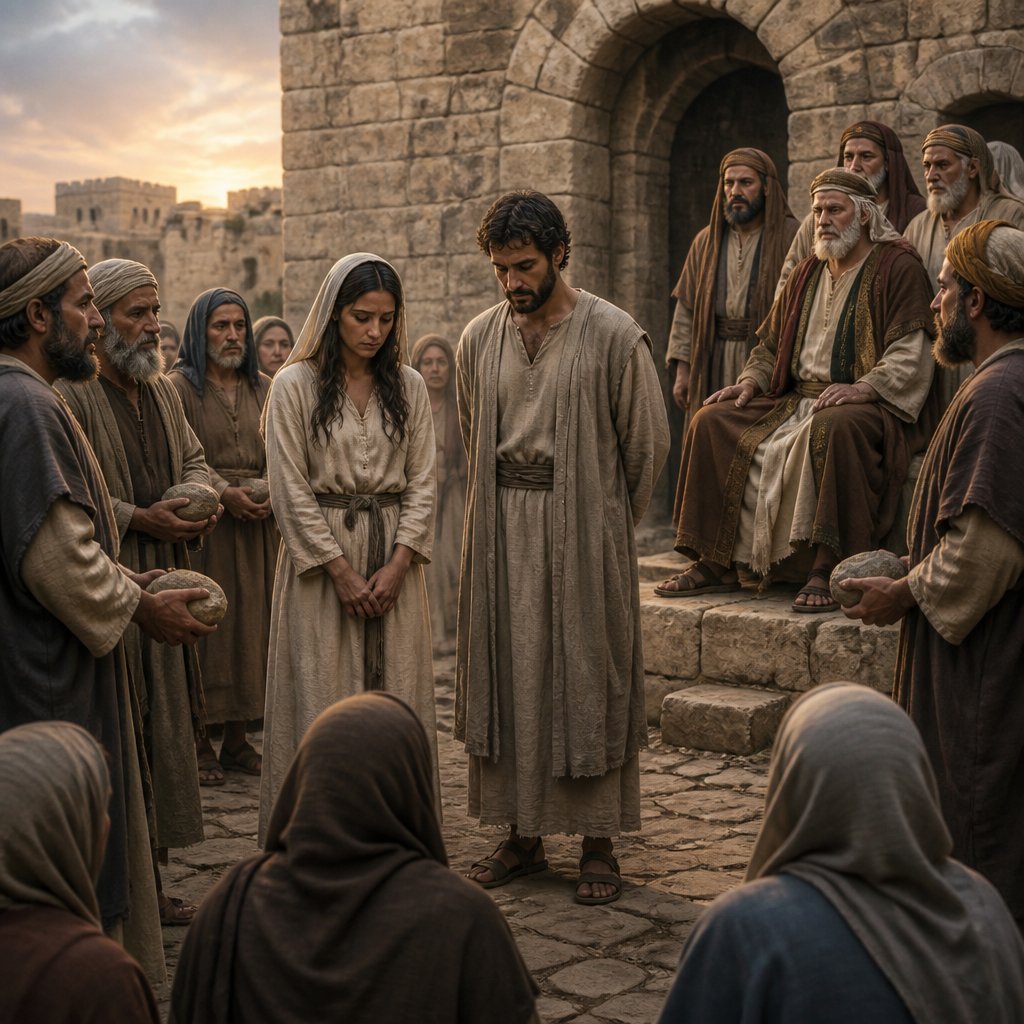
The verse Deuteronomy 22:24 in the King James Version (KJV) reads:
"Then ye shall bring them both out unto the gate of that city, and ye shall stone them with stones that they die; the damsel, because she cried not, being in the city; and the man, because he hath humbled his neighbor's wife: so thou shalt put away evil from among you."
This verse is part of the Book of Deuteronomy, which is the fifth book of the Old Testament and is attributed to Moses. The book is a collection of his farewell speeches to the Israelites before they enter the Promised Land. Deuteronomy outlines laws, guidelines, and moral teachings for the Israelites to follow.
The context of Deuteronomy 22:24 is within a section dealing with sexual immorality and adultery. In this specific verse, it addresses the situation where a man and a woman are caught in adultery. The punishment for both the man and the woman is stoning to death.
The verse reflects the moral and ethical standards of the Israelites at the time, as well as their judicial system. Adultery was considered a grave sin and was punishable by death. The severity of the punishment reflects the importance placed on maintaining purity and fidelity within marriage and the community.
One of the key themes in this verse is justice and the consequences of sin. The punishment serves as a deterrent to others and is meant to put away evil from among the people. The verse emphasizes the importance of upholding moral standards and the consequences of deviating from them.
The verse also addresses the issue of consent. The fact that the damsel did not cry out could imply that she was complicit in the act of adultery. However, the cultural and historical context must be taken into consideration. Women in ancient societies often had limited agency and power, and may have been coerced or forced into such situations. This verse raises ethical and moral questions about the treatment of women and the societal expectations placed upon them.
The use of stoning as a form of punishment in this verse also speaks to the harshness of ancient legal systems and the importance of adhering to religious and moral codes. It reflects a time when the judicial system was designed to maintain order within the community through strict enforcement of laws.
Symbolically, the verse can be interpreted as a reminder of the consequences of sin and the importance of moral accountability. It underscores the idea that actions have repercussions and that upholding moral values is essential for the well-being of the community.
From a Christian perspective, this verse can also be seen as a reflection of the need for repentance and forgiveness. It highlights the gravity of sin and the need for redemption through faith and adherence to God's laws.
In conclusion, Deuteronomy 22:24 is a verse that addresses issues of adultery, justice, and moral accountability within the context of ancient Israelite society. It reflects the ethical and moral standards of the time, and serves as a reminder of the consequences of sin and the importance of upholding moral values. It also raises questions about the treatment of women and the societal dynamics at play in ancient legal systems. Overall, the verse has theological, ethical, and cultural significance that continues to provoke discussion and reflection.
Get our apps


Artwork for Deuteronomy 22:24
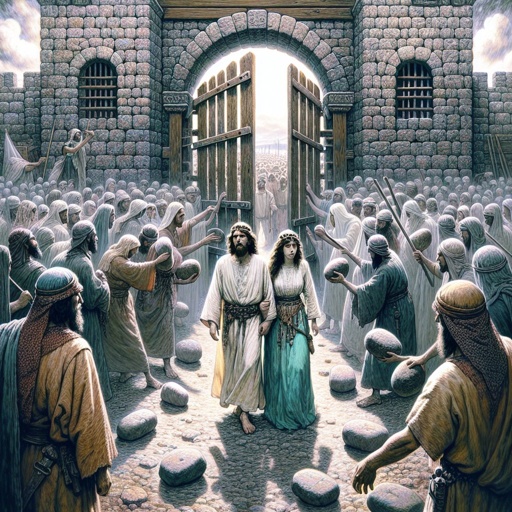
Deuteronomy 22:24 - "Then ye shall bring them both out unto the gate of that city, and ye shall stone them with stones that they die; the damsel, because she cried not, being in the city; and the man, because he hath humbled his neighbour's wife: so thou shalt put away evil from among you."
"Then ye shall bring them both out unto the gate of that city, and ye shall stone them with stones that they die; the damsel, because she cried not, being in the city; and the man, because he hath humbled his neighbour's wife: so thou shalt put away evil from among you." - Deuteronomy 22:24

Deuteronomy 24:22 - "And thou shalt remember that thou wast a bondman in the land of Egypt: therefore I command thee to do this thing."

James 2:2-4
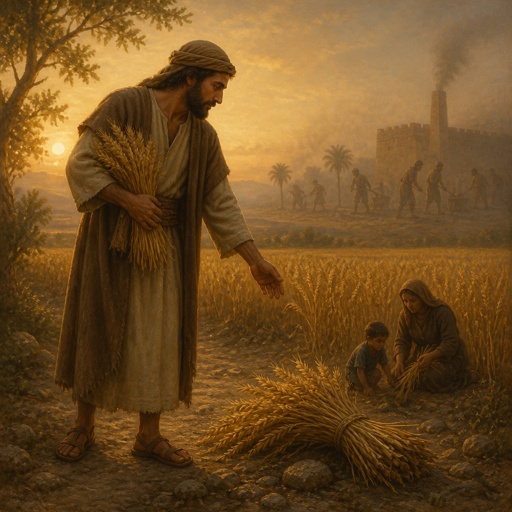
"And thou shalt remember that thou wast a bondman in the land of Egypt: therefore I command thee to do this thing." - Deuteronomy 24:22

Genesis 24-22

Genesis 22-24

Deuteronomy 24:12 - "And if the man be poor, thou shalt not sleep with his pledge:"

Deuteronomy 22:20 - "But if this thing be true, and the tokens of virginity be not found for the damsel:"

Deuteronomy 22:10 - "¶ Thou shalt not plow with an ox and an ass together."

Deuteronomy 4:24 - "For the LORD thy God is a consuming fire, even a jealous God."

Deuteronomy 12:24 - "Thou shalt not eat it; thou shalt pour it upon the earth as water."

Deuteronomy 22:18 - "And the elders of that city shall take that man and chastise him;"

Deuteronomy 23:22 - "But if thou shalt forbear to vow, it shall be no sin in thee."

Jude 9:22-24

2 Samuel 24:22

2 Samuel 24:22

2 Samuel 24:22

Genesis 3:22-24

Deuteronomy 9:22 - "And at Taberah, and at Massah, and at Kibroth-hattaavah, ye provoked the LORD to wrath."

Deuteronomy 1:24 - "And they turned and went up into the mountain, and came unto the valley of Eshcol, and searched it out."

Deuteronomy 22:11 - "¶ Thou shalt not wear a garment of divers sorts, as of woollen and linen together."

Deuteronomy 22:13 - "¶ If any man take a wife, and go in unto her, and hate her,"

Deuteronomy 9:24 - "Ye have been rebellious against the LORD from the day that I knew you."

Deuteronomy 27:24 - "Cursed be he that smiteth his neighbour secretly. And all the people shall say, Amen."

Deuteronomy 31:22 - "¶ Moses therefore wrote this song the same day, and taught it the children of Israel."

Deuteronomy 22:27 - "For he found her in the field, and the betrothed damsel cried, and there was none to save her."
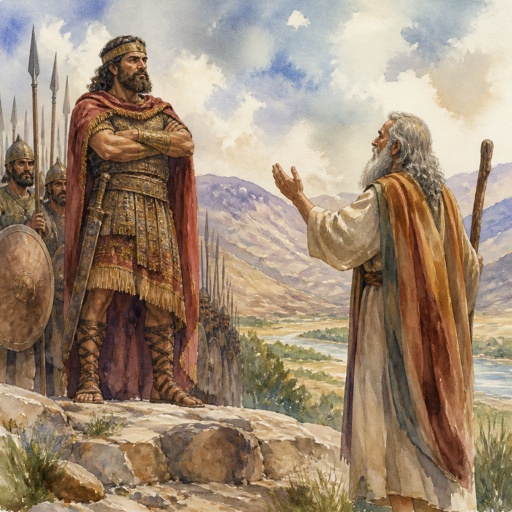
Sihon king of heshbon and Moses in Deuteronomy 2:24-37

Deuteronomy 24:17 - "¶ Thou shalt not pervert the judgment of the stranger, nor of the fatherless; nor take a widow's raiment to pledge:"

Deuteronomy 24:6 - "¶ No man shall take the nether or the upper millstone to pledge: for he taketh a man's life to pledge."