What does Deuteronomy 22:7 mean?
“But thou shalt in any wise let the dam go, and take the young to thee; that it may be well with thee, and that thou mayest prolong thy days.” — Deuteronomy 22:7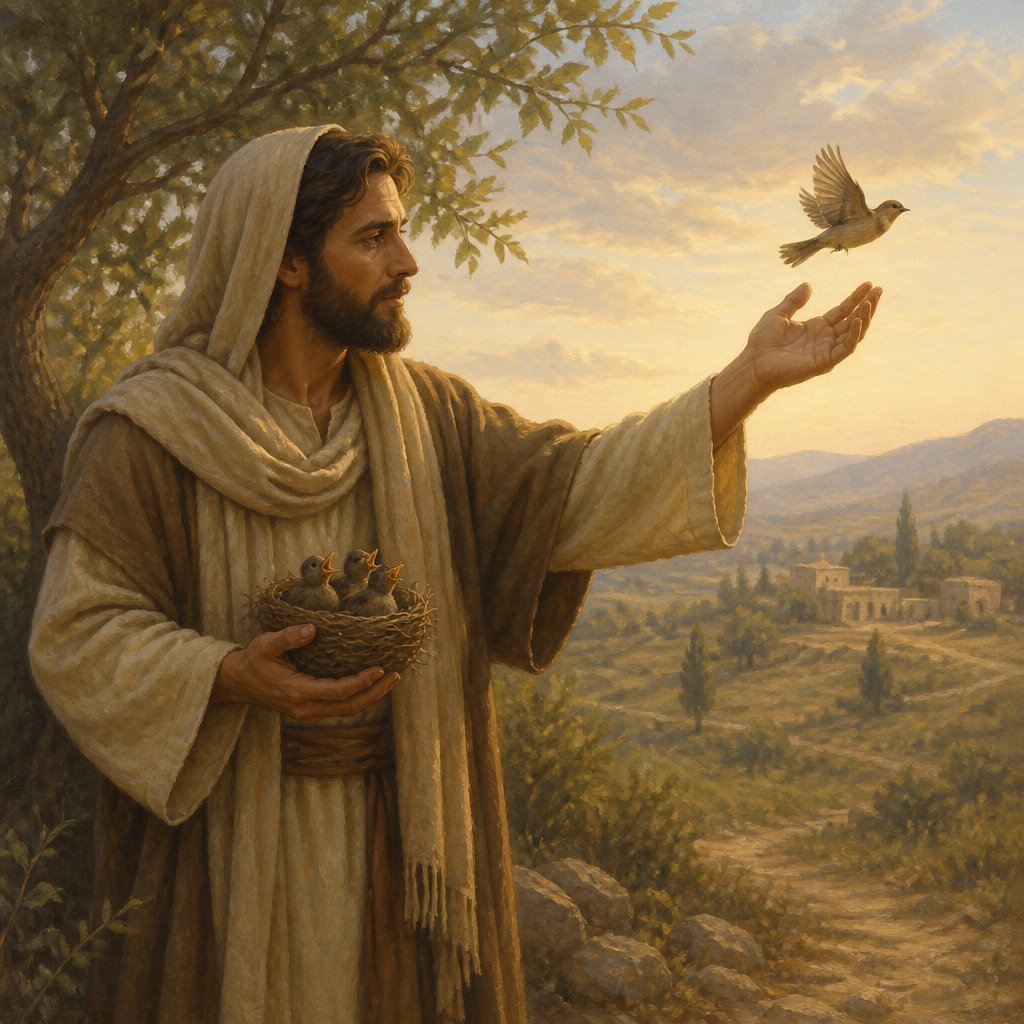
Deuteronomy 22:7 is a verse from the Old Testament of the Bible that states, "But you must let the mother go, so that it may go well with you and you may have a long life." This verse is part of the laws and commandments given to the Israelites by God through Moses. The verse specifically addresses the treatment of birds and their offspring, emphasizing the importance of showing compassion and respect for the natural order of the world that God has created.
In the context of the verse, the Israelites are being instructed to allow the mother bird to go free when they come across a nest with eggs or young chicks. The implication is that by showing mercy to the mother bird, they will be blessed by God with a long and prosperous life. This commandment reflects the broader theme of stewardship and reverence for all living creatures, as well as the idea that God's laws are meant to bring about a harmonious and just society.
One of the themes present in this verse is the concept of compassion and empathy towards all living beings. The commandment to let the mother bird go free is a reflection of God's concern for the well-being of all creatures, and it teaches the Israelites to be mindful of their treatment of animals. This theme is present throughout the Bible, emphasizing the interconnectedness of all living things and the importance of caring for God's creation.
Another theme in this verse is the idea of obedience leading to blessings. The Israelites are told that by following this commandment, they will be rewarded with a long and prosperous life. This serves as a reminder that God's laws are meant to guide his people towards righteousness and abundance, and that obedience to his commands brings about blessings and favor.
The symbolism in this verse lies in the significance of the mother bird and her offspring. The mother bird represents nurturing and protection, and by allowing her to go free, the Israelites are acknowledging her role in caring for her young. This act of compassion symbolizes the broader concept of honoring and respecting the natural world and its inhabitants, as well as recognizing the interconnectedness of all living beings.
The context of this verse within the larger book of Deuteronomy is important to consider. Deuteronomy is a book of laws and regulations given to the Israelites as they prepared to enter the promised land. The laws outlined in this book were meant to establish a just and harmonious society, and to remind the Israelites of their covenant with God. This verse, therefore, serves as a specific example of the broader ethical and moral principles that underlie the commandments given to the Israelites.
In conclusion, Deuteronomy 22:7 is a verse that emphasizes the importance of showing compassion and respect for all living creatures. It embodies the themes of empathy, obedience, and the interconnectedness of all living beings, and it serves as a reminder of God's concern for the well-being of his creation. By following this commandment, the Israelites were taught to be mindful of their treatment of animals and to recognize the role that all living beings play in God's creation. This verse continues to hold relevance and importance today as a reflection of the broader ethical and moral principles that underlie God's laws.
Get our apps


Artwork for Deuteronomy 22:7

Deuteronomy 22:7 - "But thou shalt in any wise let the dam go, and take the young to thee; that it may be well with thee, and that thou mayest prolong thy days."
"But thou shalt in any wise let the dam go, and take the young to thee; that it may be well with thee, and that thou mayest prolong thy days." - Deuteronomy 22:7

Deuteronomy 7:22 - "And the LORD thy God will put out those nations before thee by little and little: thou mayest not consume them at once, lest the beasts of the field increase upon thee."

Deuteronomy 22:20 - "But if this thing be true, and the tokens of virginity be not found for the damsel:"

Deuteronomy 22:10 - "¶ Thou shalt not plow with an ox and an ass together."

Deuteronomy 22:18 - "And the elders of that city shall take that man and chastise him;"

Deuteronomy 23:22 - "But if thou shalt forbear to vow, it shall be no sin in thee."

Deuteronomy 9:22 - "And at Taberah, and at Massah, and at Kibroth-hattaavah, ye provoked the LORD to wrath."

Deuteronomy 22:11 - "¶ Thou shalt not wear a garment of divers sorts, as of woollen and linen together."

Deuteronomy 22:13 - "¶ If any man take a wife, and go in unto her, and hate her,"

Deuteronomy 31:22 - "¶ Moses therefore wrote this song the same day, and taught it the children of Israel."

Deuteronomy 22:27 - "For he found her in the field, and the betrothed damsel cried, and there was none to save her."

Deuteronomy 22:23 - "¶ If a damsel that is a virgin be betrothed unto an husband, and a man find her in the city, and lie with her;"

Deuteronomy 3:22 - "Ye shall not fear them: for the LORD your God he shall fight for you."

Deuteronomy 33:22 - "¶ And of Dan he said, Dan is a lion's whelp: he shall leap from Bashan."

Deuteronomy 22:30 - "¶ A man shall not take his father's wife, nor discover his father's skirt."

Deuteronomy 22:22 - "¶ If a man be found lying with a woman married to an husband, then they shall both of them die, both the man that lay with the woman, and the woman: so shalt thou put away evil from Israel."

Deuteronomy 22:28 - "¶ If a man find a damsel that is a virgin, which is not betrothed, and lay hold on her, and lie with her, and they be found;"

Deuteronomy 14:22 - "Thou shalt truly tithe all the increase of thy seed, that the field bringeth forth year by year."

Deuteronomy 16:22 - "Neither shalt thou set thee up any image; which the LORD thy God hateth."

Deuteronomy 21:22 - "¶ And if a man have committed a sin worthy of death, and he be to be put to death, and thou hang him on a tree:"

Psalm 22:7

Deuteronomy 22:12 - "¶ Thou shalt make thee fringes upon the four quarters of thy vesture, wherewith thou coverest thyself."

Deuteronomy 3:7 - "But all the cattle, and the spoil of the cities, we took for a prey to ourselves."

Psalms 22:7

Genesis 22-7

Revelation 7:22

"But if this thing be true, and the tokens of virginity be not found for the damsel:" - Deuteronomy 22:20

Deuteronomy 5:7 - "Thou shalt have none other gods before me."

Deuteronomy 15:22 - "Thou shalt eat it within thy gates: the unclean and the clean person shall eat it alike, as the roebuck, and as the hart."