What does Deuteronomy 23:15-16 mean?
“Thou shalt not deliver unto his master the servant which is escaped from his master unto thee: He shall dwell with thee, even among you, in that place which he shall choose in one of thy gates, where it liketh him best: thou shalt not oppress him.” — Deuteronomy 23:15-16
Deuteronomy 23:15-16 in the King James Version of the Bible reads, "Thou shalt not deliver unto his master the servant which is escaped from his master unto thee: He shall dwell with thee, even among you, in that place which he shall choose in one of thy gates, where it liketh him best: thou shalt not oppress him."
This passage from the book of Deuteronomy is part of the Mosaic law, which was given by God to the Israelites through Moses. It addresses the treatment of escaped slaves and emphasizes the importance of compassion and justice. The verse calls for the protection of escaped slaves and forbids their return to their masters.
The context of this passage is important in understanding its significance. In ancient Israel, slavery was a common practice, and slaves had very few rights. The Mosaic law recognized the reality of slavery but sought to mitigate its harshness through various regulations. This particular verse reflects God's concern for the wellbeing and dignity of all individuals, including those who were enslaved. It demonstrates God's desire for fairness, compassion, and justice in human relationships.
One of the themes that this passage addresses is the value of freedom. The Israelites, who themselves had experienced slavery in Egypt, were commanded to show empathy and understanding towards escaped slaves. By granting them asylum and protection, the Israelites were acknowledging the inherent worth and autonomy of those who had been oppressed. This aligns with the broader biblical theme of liberation and deliverance, as seen in God's deliverance of the Israelites from bondage in Egypt.
Another theme present in this verse is the concept of justice. The Mosaic law sought to establish a just and equitable society, and this included the fair treatment of slaves. By forbidding the return of escaped slaves to their masters, this passage challenged the prevailing social norms and called for a more compassionate and humane approach to the issue of slavery. It emphasized the need to protect the vulnerable and marginalized members of society, reflecting God's concern for the oppressed and downtrodden.
The symbolism in this passage is also noteworthy. The act of providing sanctuary to the escaped slave symbolizes the compassion and mercy that God desires His people to show towards others. It serves as a reminder that every individual is worthy of respect and dignity, regardless of their social status or circumstances. The verse also symbolizes the idea of liberation and freedom, echoing the biblical narrative of God's deliverance and redemption.
In a broader theological sense, this passage points to the character of God as a just and compassionate ruler. It reflects His concern for the marginalized and oppressed, and His desire for His people to reflect these same qualities in their interactions with others. It also underscores the biblical emphasis on love and concern for one's neighbor, as expressed in the commandment to "love your neighbor as yourself."
Overall, Deuteronomy 23:15-16 speaks to the timeless principles of justice, compassion, and human dignity. It challenges us to consider how we treat those who are marginalized or oppressed and calls us to embody God's compassion and fairness in our relationships with others. As such, this passage continues to resonate as a powerful moral and ethical guide for humanity.
Get our apps


Artwork for Deuteronomy 23:15-16

"You shall not give up to his master a slave who has escaped from his master to you. He shall dwell with you, in your midst, in the place that he shall choose within one of your towns, wherever it suits him. You shall not wrong him." - Deuteronomy 23:15-16

Deuteronomy 15:23 - "Only thou shalt not eat the blood thereof; thou shalt pour it upon the ground as water."

Deuteronomy 23:15 - "¶ Thou shalt not deliver unto his master the servant which is escaped from his master unto thee:"

Deuteronomy 23:16 - "He shall dwell with thee, even among you, in that place which he shall choose in one of thy gates, where it liketh him best: thou shalt not oppress him."

Deuteronomy 15:16 - "And it shall be, if he say unto thee, I will not go away from thee; because he loveth thee and thine house, because he is well with thee;"

"¶ Thou shalt not deliver unto his master the servant which is escaped from his master unto thee:" - Deuteronomy 23:15

"Only thou shalt not eat the blood thereof; thou shalt pour it upon the ground as water." - Deuteronomy 15:23

Deuteronomy 11:23

Deuteronomy 20:16

Deuteronomy 20:16

Deuteronomy 20:16

Deuteronomy 3:23 - "And I besought the LORD at that time, saying,"

Deuteronomy 16:15 - "Seven days shalt thou keep a solemn feast unto the LORD thy God in the place which the LORD shall choose: because the LORD thy God shall bless thee in all thine increase, and in all the works of thine hands, therefore thou shalt surely rejoice."

Deuteronomy 23:22 - "But if thou shalt forbear to vow, it shall be no sin in thee."

Deuteronomy 14:16 - "The little owl, and the great owl, and the swan,"

Deuteronomy 3:15 - "And I gave Gilead unto Machir."

Deuteronomy 23:8 - "The children that are begotten of them shall enter into the congregation of the LORD in their third generation."

Deuteronomy 23:17 - "¶ There shall be no whore of the daughters of Israel, nor a sodomite of the sons of Israel."

Deuteronomy 23:6 - "Thou shalt not seek their peace nor their prosperity all thy days for ever."

Exodus 15:23

Matthew 15:23

Deuteronomy 10:16 - "Circumcise therefore the foreskin of your heart, and be no more stiffnecked."

Matthew 15:23
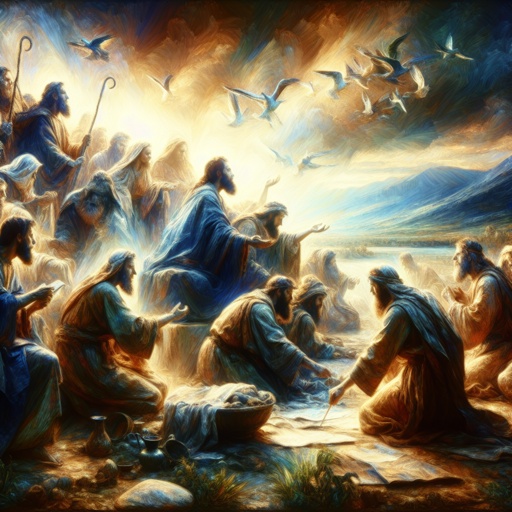
Exodus 15:23
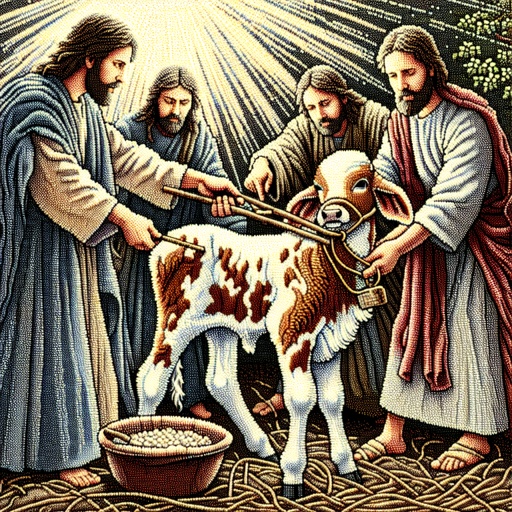
Luke 15:23

Genesis 23-15

Genesis 23-16

Deuteronomy 22:23 - "¶ If a damsel that is a virgin be betrothed unto an husband, and a man find her in the city, and lie with her;"

Deuteronomy 27:23 - "Cursed be he that lieth with his mother in law. And all the people shall say, Amen."

Deuteronomy 28:16 - "Cursed shalt thou be in the city, and cursed shalt thou be in the field."