What does Deuteronomy 23:25 mean?
“When thou comest into the standing corn of thy neighbour, then thou mayest pluck the ears with thine hand; but thou shalt not move a sickle unto thy neighbour’s standing corn.” — Deuteronomy 23:25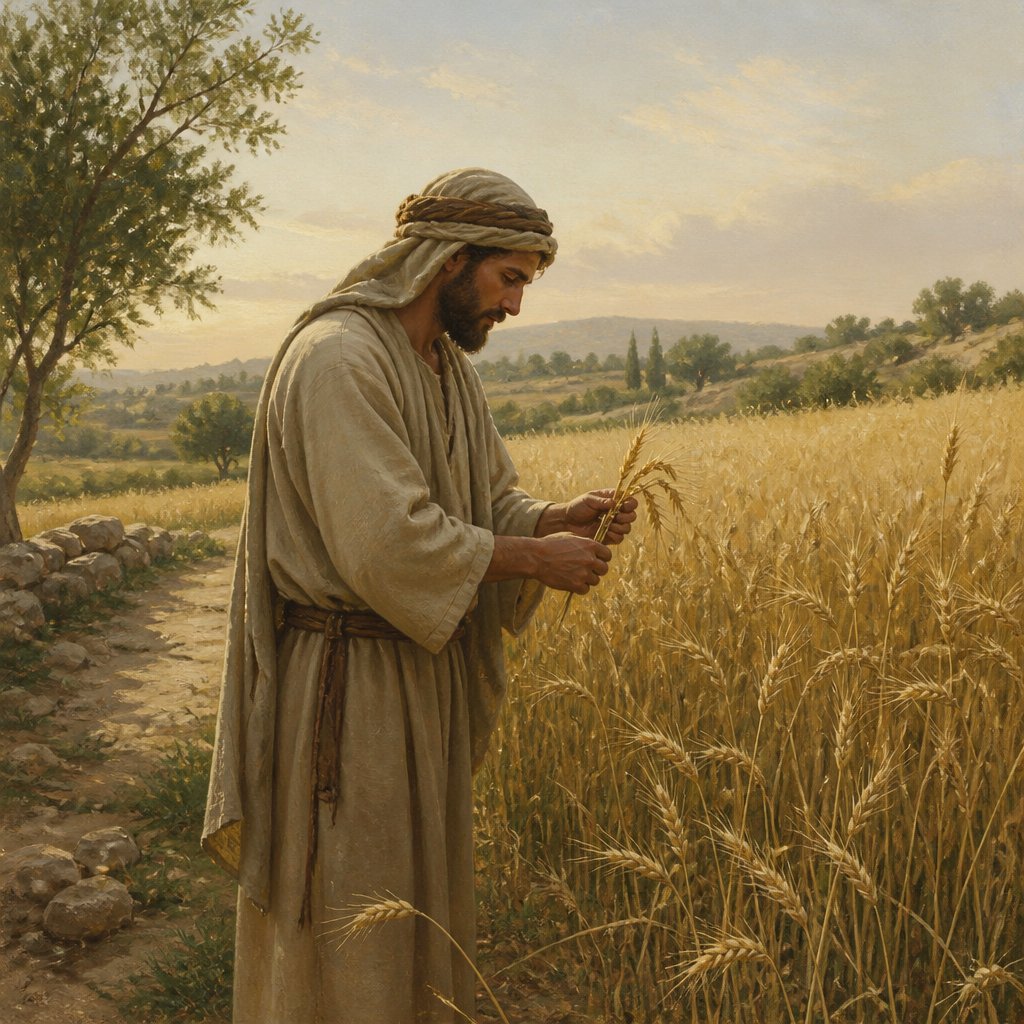
Deuteronomy 23:25 (KJV) states: "When thou comest into the standing corn of thy neighbour, then thou mayest pluck the ears with thine hand; but thou shalt not move a sickle unto thy neighbour's standing corn."
At first glance, this verse may appear to be merely a commandment related to farming practices in ancient Israel. However, upon closer examination, it becomes apparent that this verse holds deeper meaning and significance within the larger context of the biblical narrative.
The book of Deuteronomy is a vital part of the Pentateuch, or the first five books of the Old Testament, and it contains a collection of laws and regulations given to the Israelites by Moses as they prepared to enter the Promised Land. The verse in question is part of a larger section of laws that deal with various aspects of daily life, including agricultural practices, personal relationships, and moral conduct.
The overriding theme of Deuteronomy 23:25 is that of respect for one's neighbor and their possessions. The verse specifies that when an individual comes upon the standing corn of their neighbor, they are allowed to pluck the ears of corn by hand, but they must not use a sickle to harvest the crop. This distinction implies a level of restraint and consideration for the rights and property of others.
In the larger context of the surrounding verses and the book of Deuteronomy as a whole, this commandment reflects the broader moral and ethical principles that the Israelites were expected to uphold. It serves as a foundational guideline for how members of the community were to interact with one another, promoting a spirit of generosity, fairness, and mutual respect.
Furthermore, the prohibition against using a sickle to harvest the neighbor's crop can be seen as a metaphorical representation of the boundaries and limitations that individuals are to observe in their relationships with others. It teaches the importance of not overstepping one's bounds and encroaching upon that which rightfully belongs to another. This principle of respecting boundaries and property is a timeless and universal virtue that continues to hold relevance in contemporary society.
On a deeper level, this verse also carries symbolic and spiritual significance. The act of harvesting a neighbor's crop without permission represents a form of covetousness and greed, which are qualities that are antithetical to the values of righteousness and contentment promoted throughout the Bible. By allowing the plucking of the ears by hand, the verse demonstrates a path to righteousness that involves a contentment with what one has and a willingness to work for one's sustenance without resorting to theft or unrighteousness.
The spiritual symbolism of the standing corn also holds significance. In biblical imagery, the grain harvest is often associated with abundance, provision, and the blessings of God. The act of plucking the ears of corn can be seen as a demonstration of dependence on God's provision and a recognition of His ownership of all resources. This ties into the broader theme of stewardship and faithful obedience to God's commands, which are central principles throughout the Bible.
Overall, Deuteronomy 23:25 serves as a foundational moral and ethical precept within the context of the Old Testament laws. It promotes principles of respect, fairness, and contentment, while also carrying spiritual symbolism related to dependence on God's provision and the importance of stewardship. As such, this verse continues to hold relevance as a guide for righteous living and harmonious relationships within both biblical and contemporary contexts.
Get our apps


Artwork for Deuteronomy 23:25

Deuteronomy 23:25 - "When thou comest into the standing corn of thy neighbour, then thou mayest pluck the ears with thine hand; but thou shalt not move a sickle unto thy neighbour's standing corn."
"When thou comest into the standing corn of thy neighbour, then thou mayest pluck the ears with thine hand; but thou shalt not move a sickle unto thy neighbour's standing corn." - Deuteronomy 23:25

Deuteronomy 11:23

Matthew 25:23

Matthew 25:23

Genesis 25-23

Deuteronomy 3:23 - "And I besought the LORD at that time, saying,"

Deuteronomy 25:13 - "¶ Thou shalt not have in thy bag divers weights, a great and a small."

Deuteronomy 25:4 - "¶ Thou shalt not muzzle the ox when he treadeth out the corn."

Deuteronomy 31:25 - "That Moses commanded the Levites, which bare the ark of the covenant of the LORD, saying,"

Deuteronomy 25:14 - "Thou shalt not have in thine house divers measures, a great and a small."

Acts 23:25 - "And he wrote a letter after this manner:"

Deuteronomy 23:22 - "But if thou shalt forbear to vow, it shall be no sin in thee."

2 Samuel 23:25 - "Shammah the Harodite, Elika the Harodite,"

Deuteronomy 23:8 - "The children that are begotten of them shall enter into the congregation of the LORD in their third generation."

Deuteronomy 23:17 - "¶ There shall be no whore of the daughters of Israel, nor a sodomite of the sons of Israel."

Deuteronomy 33:25 - "Thy shoes shall be iron and brass; and as thy days, so shall thy strength be."

Deuteronomy 25:10 - "And his name shall be called in Israel, The house of him that hath his shoe loosed."

Jeremiah 25:23 - "Dedan, and Tema, and Buz, and all that are in the utmost corners,"

Deuteronomy 25:16 - "For all that do such things, and all that do unrighteously, are an abomination unto the LORD thy God."

Deuteronomy 23:6 - "Thou shalt not seek their peace nor their prosperity all thy days for ever."

Deuteronomy 27:25 - "Cursed be he that taketh reward to slay an innocent person. And all the people shall say, Amen."

Deuteronomy 22:23 - "¶ If a damsel that is a virgin be betrothed unto an husband, and a man find her in the city, and lie with her;"

Deuteronomy 27:23 - "Cursed be he that lieth with his mother in law. And all the people shall say, Amen."

"And I besought the LORD at that time, saying," - Deuteronomy 3:23

Deuteronomy 28:23 - "And thy heaven that is over thy head shall be brass, and the earth that is under thee shall be iron."

Deuteronomy 15:23 - "Only thou shalt not eat the blood thereof; thou shalt pour it upon the ground as water."

Deuteronomy 1:23 - "And the saying pleased me well: and I took twelve men of you, one of a tribe:"

Deuteronomy 32:23 - "I will heap mischiefs upon them; I will spend mine arrows upon them."

Deuteronomy 25:17 - "¶ Remember what Amalek did unto thee by the way, when ye were come forth out of Egypt;"