What does Deuteronomy 24:17 mean?
“Thou shalt not pervert the judgment of the stranger, nor of the fatherless; nor take a widow’s raiment to pledge:” — Deuteronomy 24:17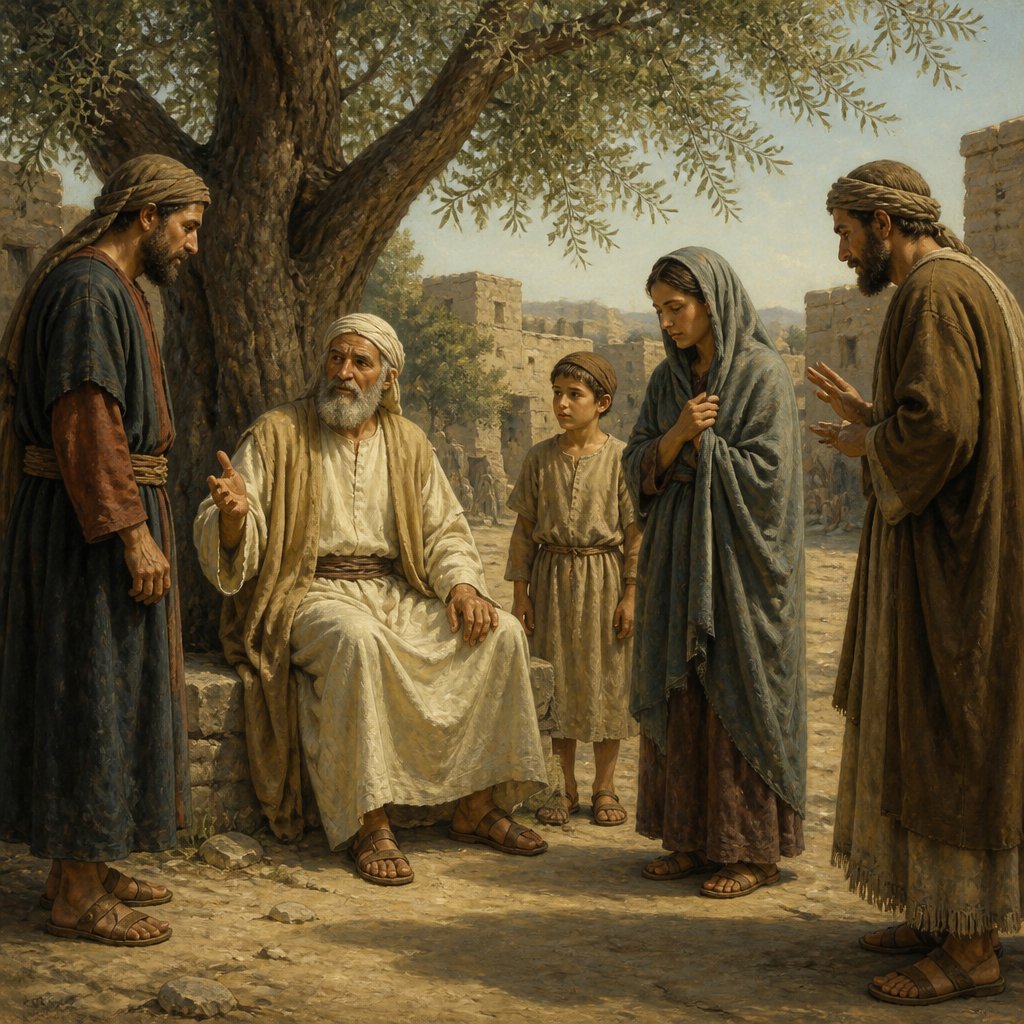
Deuteronomy 24:17 states: "Thou shalt not pervert the judgment of the stranger, nor of the fatherless; nor take a widow's raiment to pledge."
This verse is part of the Old Testament, specifically the book of Deuteronomy, which is attributed to Moses. At its core, Deuteronomy is a book of laws and regulations given to the Israelites by God. The book covers a wide range of topics, from personal conduct to religious rituals to social justice. In this particular verse, God is instructing the Israelites on how to treat the vulnerable members of their society.
The theme of this verse is social justice and compassion for the marginalized. The command to "not pervert the judgment of the stranger, nor of the fatherless; nor take a widow's raiment to pledge" is a directive to treat the most vulnerable members of society with fairness and compassion. The "stranger" refers to foreigners or immigrants, the "fatherless" to orphaned children, and the "widow" to women who have lost their husbands. In the ancient Near East, these three groups were particularly vulnerable because they lacked the support and protection of a male head of household. God's directive to the Israelites is a call to action to ensure that these vulnerable members of society are not exploited or mistreated.
The context of this verse is important to understanding its significance. At the time this command was given, the Israelites were forming a new society after their liberation from slavery in Egypt. God was establishing the principles and values that would shape their communal life in the Promised Land. In this verse, God is establishing a moral framework that emphasizes compassion, fairness, and protection for the vulnerable.
Furthermore, the symbolism in this verse is significant. The imagery of the widow's raiment being taken as a pledge speaks to the idea of stripping someone of their dignity and means of survival. In ancient times, clothing was a crucial aspect of one's identity and social standing. By taking a widow's raiment as a pledge, one would effectively render her helpless and destitute. This imagery serves as a powerful reminder of the consequences of exploiting the vulnerable and the importance of showing compassion and empathy.
Overall, Deuteronomy 24:17 conveys a powerful message about the importance of social justice and compassion for the marginalized. It serves as a timeless reminder that all members of society, regardless of their social status or background, deserve to be treated with fairness and dignity. This verse is not just a practical legal decree; it is a profound moral statement that continues to resonate today. It challenges us to examine our treatment of the marginalized and encourages us to strive for a society built on justice and compassion.
Get our apps


Artwork for Deuteronomy 24:17

Deuteronomy 24:17 - "¶ Thou shalt not pervert the judgment of the stranger, nor of the fatherless; nor take a widow's raiment to pledge:"

Deuteronomy 24:17-18 - "Do not deprive the foreigner or the fatherless of justice, or take the cloak of the widow as a pledge. Remember that you were slaves in Egypt and the Lord your God redeemed you from there. That is why I command you to do this."
"¶ Thou shalt not pervert the judgment of the stranger, nor of the fatherless; nor take a widow's raiment to pledge:" - Deuteronomy 24:17
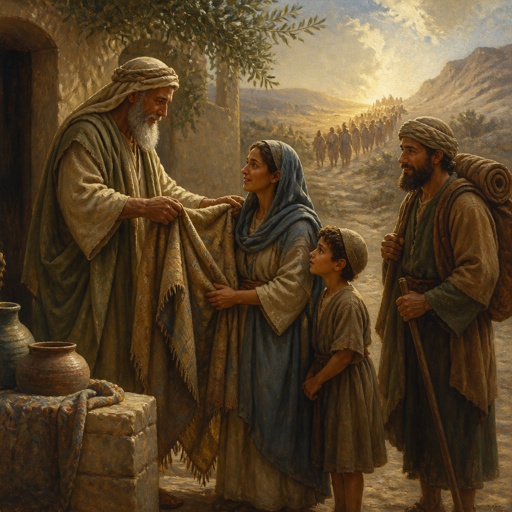
"Do not deprive the foreigner or the fatherless of justice, or take the cloak of the widow as a pledge. Remember that you were slaves in Egypt and the Lord your God redeemed you from there. That is why I command you to do this." - Deuteronomy 24:17-18

Deuteronomy 5:17 - "Thou shalt not kill."

Deuteronomy 14:17 - "And the pelican, and the gier eagle, and the cormorant,"

Deuteronomy 24:12 - "And if the man be poor, thou shalt not sleep with his pledge:"

Genesis 24-17

Joshua 24:17

Deuteronomy 2:17 - "That the LORD spake unto me, saying,"

Deuteronomy 4:24 - "For the LORD thy God is a consuming fire, even a jealous God."

Joshua 24:17

Joshua 24:17

Genesis 17-24

luke 24:17

Exodus 24:17

Deuteronomy 28:17 - "Cursed shall be thy basket and thy store."

Deuteronomy 12:24 - "Thou shalt not eat it; thou shalt pour it upon the earth as water."

Deuteronomy 1:24 - "And they turned and went up into the mountain, and came unto the valley of Eshcol, and searched it out."

"Thou shalt not kill." - Deuteronomy 5:17

Deuteronomy 23:17 - "¶ There shall be no whore of the daughters of Israel, nor a sodomite of the sons of Israel."

Deuteronomy 17:13 - "And all the people shall hear, and fear, and do no more presumptuously."

Deuteronomy 9:24 - "Ye have been rebellious against the LORD from the day that I knew you."

Deuteronomy 27:24 - "Cursed be he that smiteth his neighbour secretly. And all the people shall say, Amen."

Deuteronomy 17:17 - "Neither shall he multiply wives to himself, that his heart turn not away: neither shall he greatly multiply to himself silver and gold."
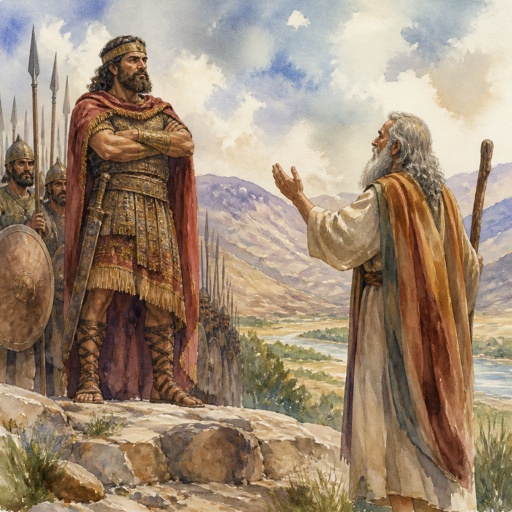
Sihon king of heshbon and Moses in Deuteronomy 2:24-37

Deuteronomy 24:6 - "¶ No man shall take the nether or the upper millstone to pledge: for he taketh a man's life to pledge."

Deuteronomy 24:2 - "And when she is departed out of his house, she may go and be another man's wife."

Deuteronomy 4:17 - "The likeness of any beast that is on the earth, the likeness of any winged fowl that flieth in the air,"

"And the pelican, and the gier eagle, and the cormorant," - Deuteronomy 14:17